Dark Spots on the Face: Causes, Types, and Which Treatments Fit Each
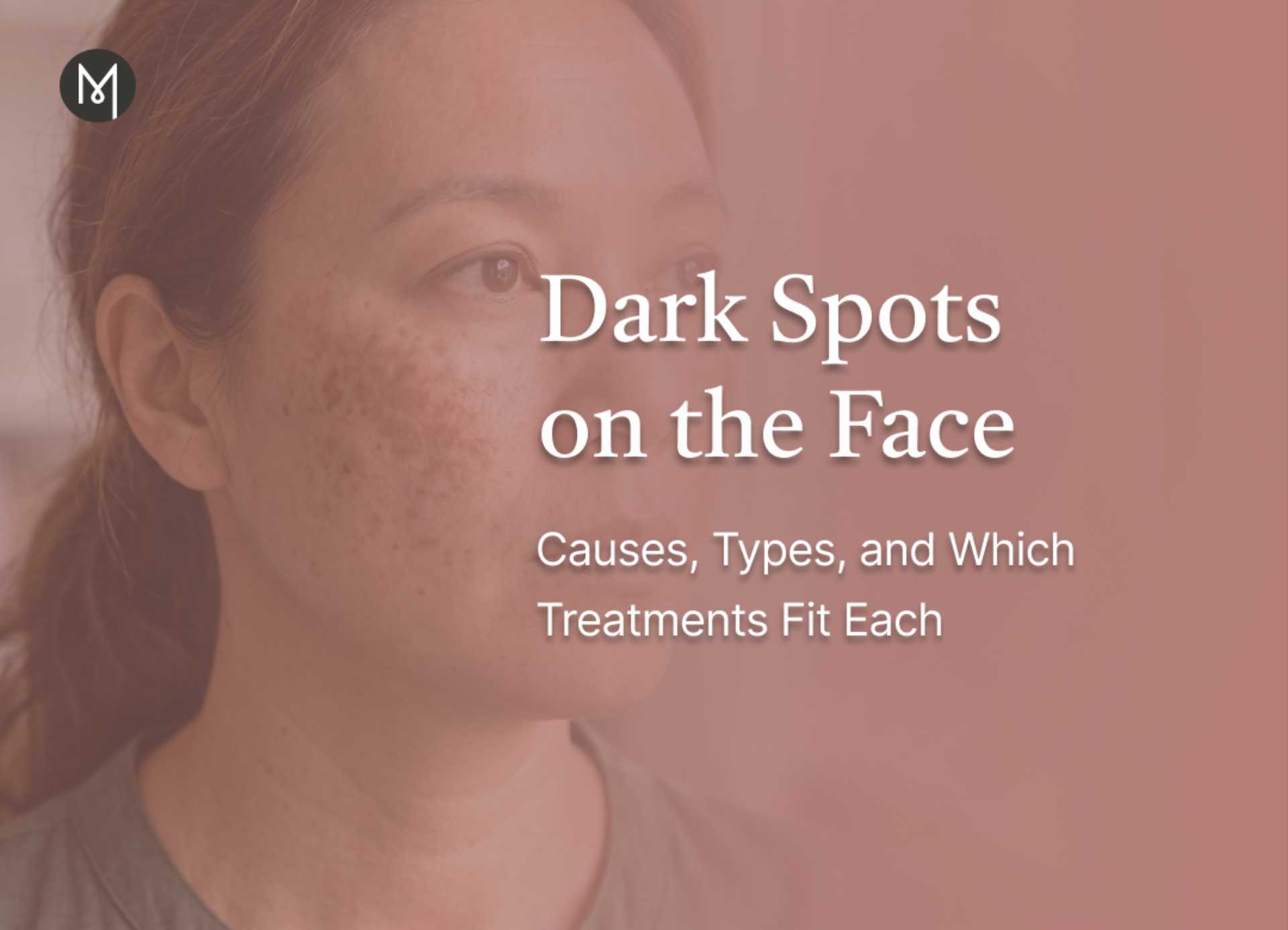
Dark spots on the face are areas of excess pigmentation, but they do not all have the same cause. Common types include melasma, post-inflammatory hyperpigmentation from acne or irritation, sun or age spots, and freckles. Because each type can respond differently, and some changing spots require medical evaluation, the first step is identifying the likely pattern rather than choosing a cream at random.
This guide can help you understand the common types of facial dark spots and the treatments a licensed provider may consider. It is not a substitute for a medical diagnosis.
When Should a Dark Spot Be Examined First?
Most facial discoloration is harmless, but a new or changing spot should not automatically be treated as hyperpigmentation.
The American Academy of Dermatology recommends watching for the ABCDE warning signs:
A — Asymmetry: One half of the spot does not match the other.
B — Border: The edges are irregular, blurred, or notched.
C — Color: The spot contains multiple colors or develops a new color.
D — Diameter: The spot is growing, although concerning spots can be smaller than 6 millimeters.
E — Evolving: The spot is changing in size, shape, color, or appearance.
A spot that is rapidly growing, painful, itching, bleeding, repeatedly crusting, or failing to heal should also be examined by a dermatologist. Do not begin a cosmetic dark spot treatment until a suspicious lesion has been evaluated.
What Type of Dark Spot Is on Your Face?
Use the following comparison as an educational starting point, not a self-diagnosis.
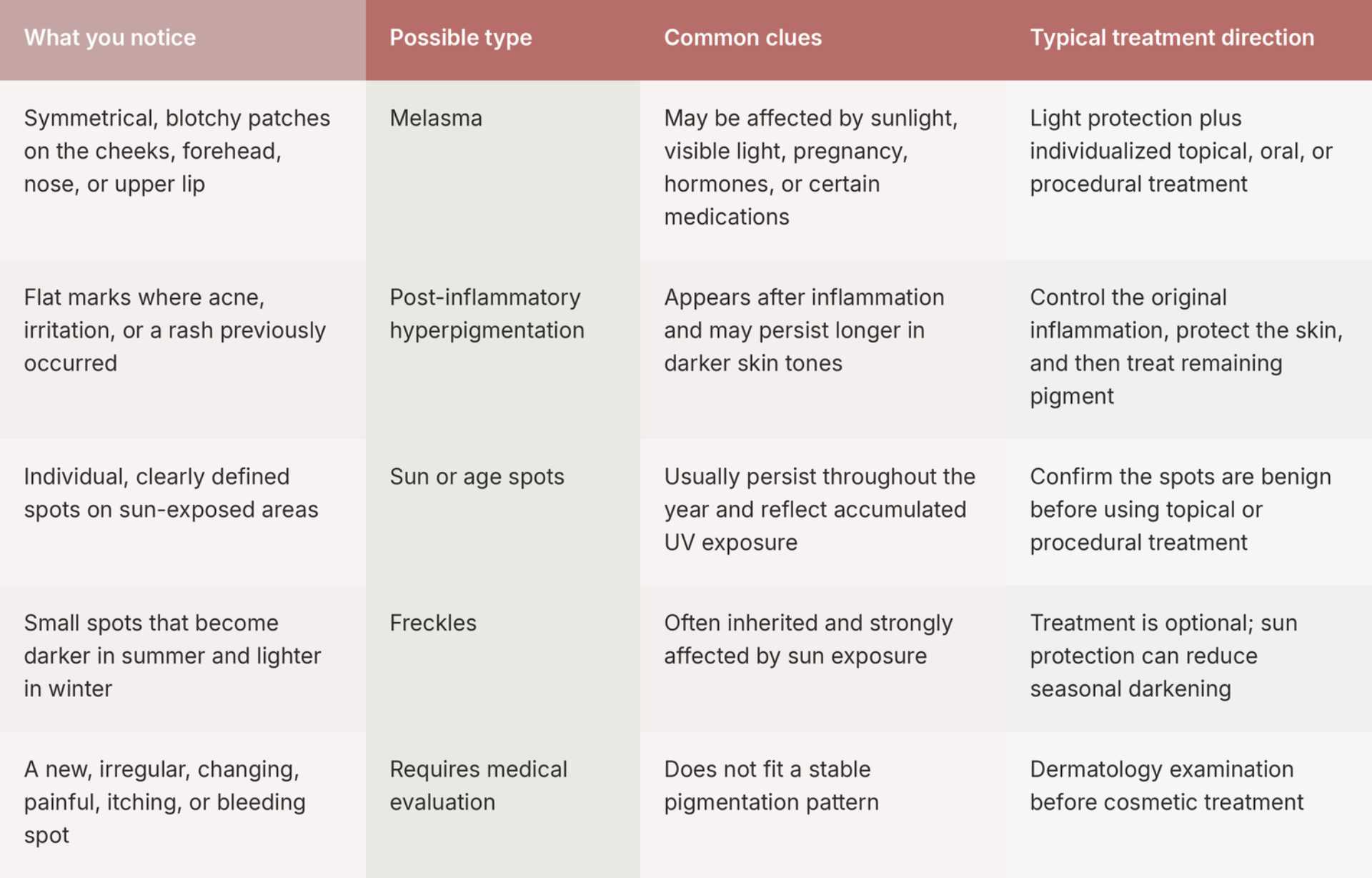
Melasma: Symmetrical Patches Influenced by Light and Hormones
Melasma is a chronic pigmentation condition that commonly causes blotchy brown, gray-brown, or blue-gray patches on both sides of the face. It frequently appears on the cheeks, forehead, nose, chin, and area above the upper lip.
Unlike acne, melasma is usually not raised, painful, or itchy. The American Academy of Dermatology’s melasma guidance explains that the patches often become more noticeable with sun exposure.
What causes melasma?
Melasma develops when pigment-producing cells become more active. Potential triggers include:
Ultraviolet and visible-light exposure
Pregnancy
Birth control or other hormonal medications
Certain medications that increase sensitivity to light
A family history of melasma
Skin irritation
Other medical or hormonal factors
Melasma is more common in women and people with medium or darker skin tones, although it can affect anyone. Because hormones and medications can contribute, do not stop a prescribed medication without speaking with the provider who prescribed it.
Which treatments may fit melasma?
Melasma often requires a combination of treatment and prevention:
Daily light protection: The AAD recommends broad-spectrum SPF 30 or higher. Tinted sunscreen containing iron oxide may provide additional protection against visible light, which can worsen melasma. Musely’s The Day Cream is a mineral SPF 40 option designed for daily UV protection.
Gentle skincare: Products that burn, sting, or repeatedly irritate the skin can make discoloration look darker.
Prescription topical treatment: A provider may consider a customized prescription cream containing ingredients selected for the patient’s condition, sensitivity, and medical history.
Oral treatment: An oral medication may be considered for certain cases of stubborn melasma, but it is not appropriate for everyone and requires medical screening.
Professionally managed procedures: Chemical peels and other procedures may be options for selected patients. They can also cause irritation or additional pigmentation if used incorrectly.
Melasma can improve, but it may return when the skin is exposed to its triggers. A realistic plan should include maintenance and ongoing light protection rather than promising permanent removal.
Post-Inflammatory Hyperpigmentation: Dark Marks After Acne or Irritation
Post-inflammatory hyperpigmentation, or PIH, develops after the skin has been inflamed or injured. Acne, eczema, picking, burns, aggressive skincare, and cosmetic procedures can all leave flat areas of discoloration after the original problem has healed.
PIH is often mistaken for an acne scar. A scar changes the texture of the skin by creating a raised or indented area. PIH is typically flat and changes the skin’s color rather than its structure.
According to DermNet’s review of post-inflammatory hyperpigmentation, PIH can affect anyone but is often more intense and persistent in people with darker skin tones.
Which treatments may fit PIH?
The first priority is stopping the inflammation that is producing new marks.
A treatment plan may include:
Controlling active acne, dermatitis, or another inflammatory condition
Avoiding picking, harsh scrubs, and excessive exfoliation
Using a gentle cleanser and moisturizer
Applying broad-spectrum sunscreen daily
Using topical ingredients selected to address acne and pigmentation
Considering prescription treatment for persistent discoloration
Hydroquinone is one of the most effective and well-studied topical ingredients for hyperpigmentation. It works by reducing the production of melanin, the pigment responsible for dark spots. Prescription formulas may combine hydroquinone with ingredients such as tretinoin to promote skin-cell turnover and help improve stubborn discoloration more effectively.
Azelaic acid and retinoids may also be incorporated into a PIH treatment plan. Azelaic acid can help address both acne and uneven pigmentation, while retinoids support cell turnover and may improve the penetration and effectiveness of other ingredients. The appropriate formula and application schedule depend on the person’s skin sensitivity, medical history, and other products.
If the skin is still red, burning, peeling, or actively inflamed, adding stronger pigment treatments may make the problem worse. Restore the skin barrier and address the cause before escalating treatment.
Sun Spots and Age Spots: Defined Areas of Accumulated Sun Damage
Solar lentigines are often called age spots, liver spots, or sun spots & are generally flat, clearly defined areas of pigmentation on skin that has received repeated UV exposure. They commonly appear on the face, hands, and other frequently exposed areas.
Unlike freckles, sun spots usually do not disappear during winter. DermNet’s solar lentigo guidance notes that these spots are typically benign, but atypical lesions can resemble other skin conditions.
Which treatments may fit sun spots?
Options may include:
Consistent UV protection to reduce additional sun damage
Provider-selected topical treatment
Chemical peels
Laser or light-based procedures
Cryotherapy for appropriate individual lesions
A dermatologist should evaluate any spot with an irregular shape, multiple colors, rapid growth, or another unusual feature before treatment. Even when a spot is benign, procedures can create temporary or lasting light or dark marks, especially in skin prone to PIH.
Freckles: Small Spots That Change With Sun Exposure
Freckles are small, flat spots that often appear across the nose, cheeks, and other sun-exposed areas. They are influenced by genetics and tend to become more visible during periods of increased sun exposure.
Unlike age spots, freckles frequently fade during winter or when UV exposure decreases. DermNet notes that freckles are benign and do not require treatment.
Someone who wants to reduce their appearance may consider consistent sun protection or professionally recommended cosmetic treatment. Because freckles naturally respond to UV exposure, they can become darker again even after treatment.
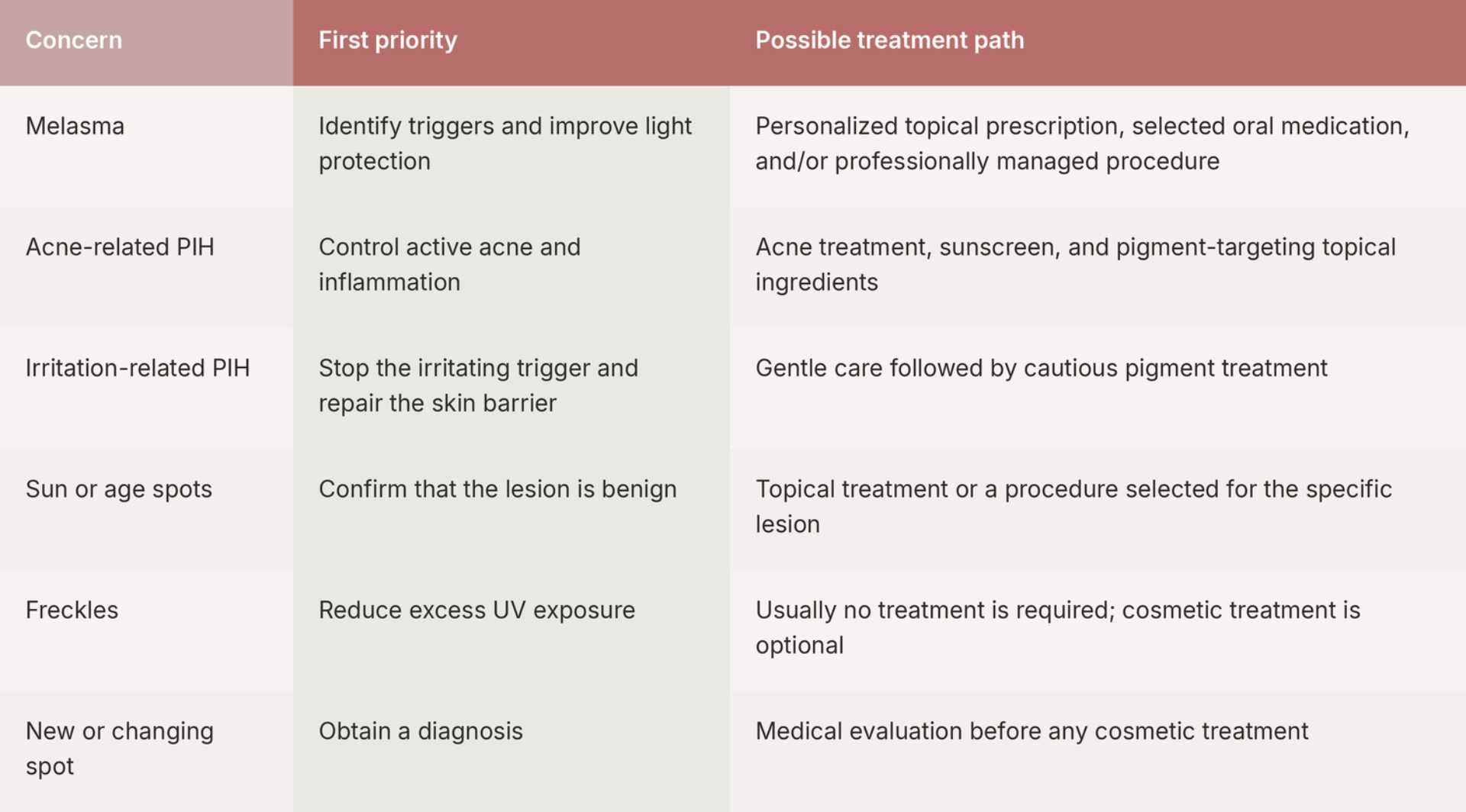
Which Facial Dark Spot Treatment Fits Each Type?
There is no single cream, peel, or medication that is automatically right for every dark spot.
When Does a Prescription Dark Spot Cream Make Sense?
Over-the-counter products can be reasonable for mild uneven tone, but stubborn melasma and PIH may require a more individualized approach. Prescription treatment may also combine multiple ingredients in a formula selected around the patient’s condition and tolerance.
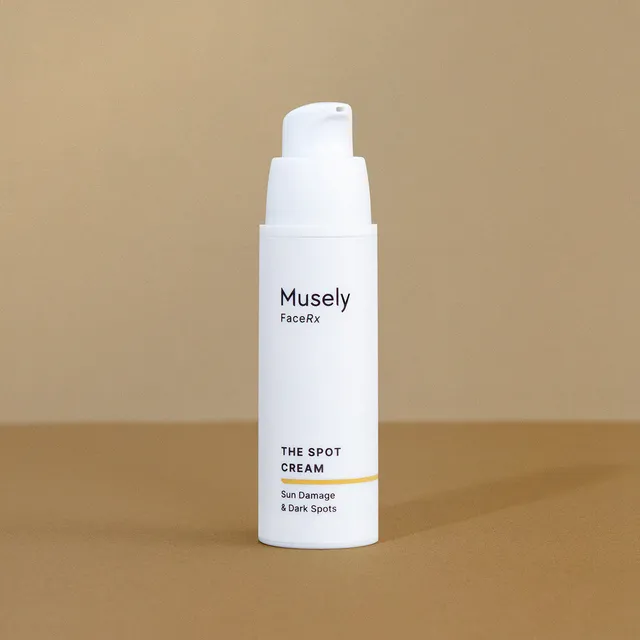
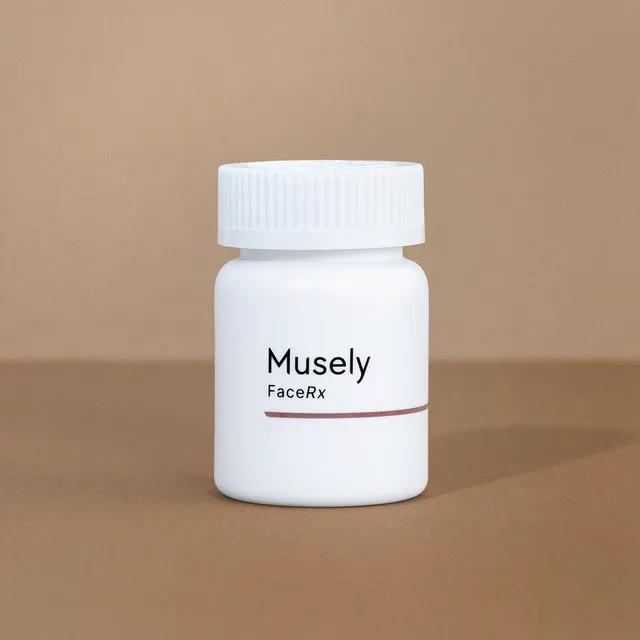
Musely’s The Spot Cream is a prescription topical treatment for facial dark spots and melasma. Available formulations may contain ingredients such as hydroquinone, azelaic acid, tranexamic acid, tretinoin, niacinamide, or kojic acid. The formula prescribed will depend on the provider’s assessment.
A prescription cream may be considered when:
The discoloration appears consistent with melasma or PIH.
The dark spots have not responded adequately to a basic routine.
A patient needs a more structured treatment and maintenance plan.
The skin is stable enough to tolerate active treatment.
A licensed provider determines that the ingredients are medically appropriate.
A prescription does not eliminate the need for sunscreen, gentle skincare, or trigger management. It also does not guarantee that pigmentation will never return.
For more detail about the treatment and its application, see Everything You Need to Know About The Spot Cream.
Treatment callout: A dark spot cream is not the right first step for every facial spot. If your concern appears consistent with melasma or post-inflammatory hyperpigmentation, complete an online visit so a Musely provider can determine whether a personalized prescription formula is appropriate.
When Might a Peel or Oral Medication Be Considered?
Some patients may need a different treatment format or an addition to topical therapy.
The Spot Peel
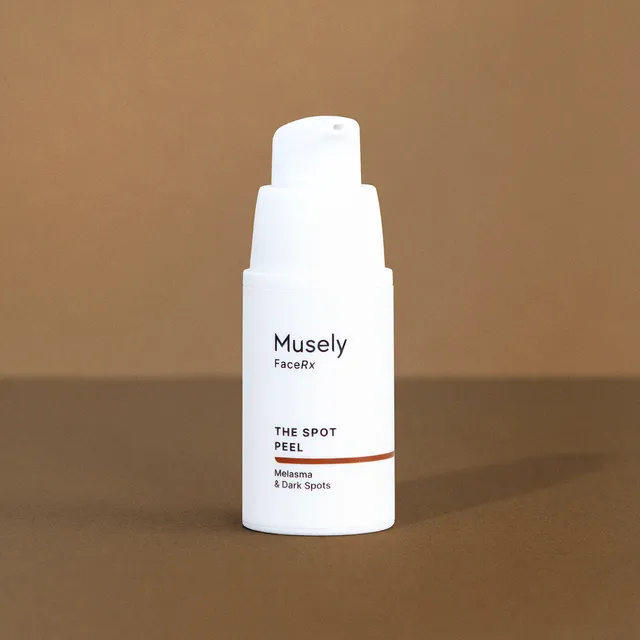
The Spot Peel is a prescription chemical peel designed for facial dark spots. Musely positions it as an add-on treatment rather than a replacement for an ongoing topical plan.
Chemical peels intentionally produce a controlled exfoliating response. They should be used only as directed because excessive strength, frequency, or contact time can cause irritation or additional pigmentation. The FDA has warned against using high-strength chemical peel products without appropriate professional supervision.
The Spot Pill
The Spot Pill is an oral tranexamic acid medication intended for qualifying patients with stubborn melasma. It may be considered as an add-on, an alternative to topical treatment, or during provider-directed breaks from hydroquinone.
Because oral medication is not appropriate for every patient, eligibility should be determined through a medical review of the patient’s health history, medications, and individual risk factors.
Do not combine multiple prescription treatments unless the prescribing provider has approved the plan.
What Should You Know About Hydroquinone and Skin-Lightening Products?
Hydroquinone is used in certain prescription treatments for hyperpigmentation. In the United States, hydroquinone is not approved for over-the-counter sale.
The FDA warns consumers against illegally marketed skin-lightening products containing hydroquinone or mercury. Unlabeled products and products with incomplete ingredient lists should be avoided.
When hydroquinone is prescribed:
Follow the provider’s application instructions.
Do not apply more frequently than directed.
Complete recommended treatment breaks.
Report significant irritation or blue-gray discoloration.
Ask before combining it with other strong active ingredients.
Continue daily light protection.
For a broader comparison, read Prescription vs. Over-the-Counter Dark Spot Removal Creams.
How Long Do Facial Dark Spots Take to Fade?
There is no universal timeline.
Results depend on:
The type and depth of pigmentation
How long the discoloration has been present
Continued acne or inflammation
Hormonal triggers
UV and visible-light exposure
Skin sensitivity
Treatment consistency
Whether irritation develops during treatment
Some pigmentation may begin to improve within weeks, while deeper or recurrent discoloration can require a longer treatment and maintenance plan. Melasma is particularly likely to return when its triggers remain present.
Using more product or adding multiple strong treatments will not necessarily produce faster results. Excessive irritation can create new PIH and delay progress.
Patients considering Musely can also review The Spot Cream ratings, before-and-after photos, and verified-purchase reviews. Patient experiences are individual and should not be interpreted as guaranteed outcomes.
Frequently Asked Questions
What causes dark spots on the face?
Common causes include melasma, acne and other inflammation, repeated sun exposure, skin irritation, hormonal changes, and certain medications. The location and pattern of discoloration can help a provider identify the likely cause.
How can I tell whether a dark spot is melasma or an acne mark?
Melasma generally creates larger, symmetrical patches on areas such as the cheeks, forehead, and upper lip. PIH usually appears exactly where acne, irritation, or another injury occurred. A medical examination may be required when the pattern is unclear.
Which cream is good for dark spots on the face?
The right cream depends on the cause of the pigmentation, the person’s skin sensitivity, and their medical history. Mild uneven tone may respond to non-prescription ingredients, while stubborn melasma or PIH may require a personalized prescription formula.
Can one dark spot cream treat every type of pigmentation?
No. Some creams can address multiple forms of hyperpigmentation, but they are not appropriate for every spot or every patient. A changing or atypical lesion needs evaluation rather than cosmetic treatment.
Can medication remove dark spots on the face?
Topical and oral medications can visibly reduce certain types of facial hyperpigmentation, but results vary. Treatment may manage the condition without permanently preventing it from returning.
Can facial dark spots be treated during pregnancy or nursing?
Some ingredients commonly used to treat hyperpigmentation, including hydroquinone and retinoids, may not be appropriate during pregnancy or nursing. However, there may be alternative options. Musely offers an HQ-Free formula of The Spot Cream, which is formulated without hydroquinone and may be considered for some patients during these stages.
A licensed provider should review all prescription and non-prescription treatments before use to determine which ingredients are appropriate based on the patient’s health history and whether they are pregnant or nursing.
When should I see a dermatologist about a dark spot?
Seek medical evaluation if a spot is new, rapidly changing, irregular, painful, itching, bleeding, repeatedly crusting, or failing to heal.
If treatment appears to be making your pigmentation worse, contact your Musely provider. They can review your symptoms and treatment plan, recommend appropriate adjustments, and let you know if you should be evaluated by a dermatologist or another provider in person.
Find the Treatment Path That Fits Your Skin
The best treatment plan begins by understanding what is producing the pigmentation. Melasma, acne-related marks, sun spots, and freckles may look similar, but they do not always respond to the same approach.
Musely connects patients with licensed providers who can review their skin concerns, medical history, and treatment goals. If prescription treatment is appropriate, the provider can select a personalized formula and provide ongoing treatment guidance.
Products In This Tip
More tips like this
Dark Spots & Melasma
Hydroquinone 12% vs 2%: What Concentration Does the Science Support?

Dark Spots & Melasma
Clearer Skin: Getting Rid of Dark Spots

Dark Spots & Melasma
60 Days Later ..
Dark Spots & Melasma
Fast Hydroquinone Rx Online: Clear Dark Spots in Weeks

Dark Spots & Melasma
My Fight With Hyperpigmentation Is Over!

Dark Spots & Melasma
Hydroquinone 101: Your Secret Weapon Against Summer Hyperpigmentation

Dark Spots & Melasma
It Works- The Spot Cream

Dark Spots & Melasma