Hydroquinone 101: Your Secret Weapon Against Summer Hyperpigmentation
Summer is all about sunshine, beach days, and glowing skin. For many, though, it's also the season when hyperpigmentation becomes more noticeable. Those pesky dark spots, uneven skin tone, and lingering acne marks can worsen under the intense sun.
If stubborn discoloration is bothering you, you’re not alone. Hyperpigmentation affects a lot of people and can be particularly persistent during the warmer months when UV exposure is at its peak.
Fortunately, there's a popular and proven solution that dermatologists have relied on for decades: hydroquinone. Topical hydroquinone has built a strong reputation as a trustworthy treatment for fading dark spots and a more even skin tone.
Whether you’re dealing with melasma, sunspots, or post-acne marks, hydroquinone could be the key to reclaiming your radiant complexion this summer.
Why does the summertime trigger hyperpigmentation?
It’s no coincidence that dark spots and uneven skin tone seem to get worse in the summer. The sun’s UV rays can trigger increased melanin production. In fact, UV exposure is the most common external factor contributing to hyperpigmentation. When our skin is exposed to the sun, it activates melanocytes (cells responsible for producing melanin) to protect us from damage. For those with a predisposition to hyperpigmentation, visible dark patches that are difficult to fade may show up.
But UV rays aren’t the only problem. Heat and inflammation also play a significant role. Hot weather can inflame your skin, which in turn stimulates even more melanin production. Conditions like melasma and post-inflammatory hyperpigmentation (PIH) are especially sensitive to these triggers. This is why even if you’re diligent with your sunscreen, you might still notice your pigmentation getting worse during the warmer months.
What Is Hydroquinone?
Before we share how hydroquinone works, we wanted to share what it is. Hydroquinone is a skin-lightening compound that has been used in dermatology for over 50 years. It works by decreasing the formation of melanin through the inhibition of an enzyme called tyrosinase, good at treating all kinds of hyperpigmentation.
Hydroquinone is typically available in concentrations up to 12%, accessible only with a prescription. Prescription hydroquinone is one of the more studied and trusted skincare ingredients, especially concerning pigmentation.
How Hydroquinone helps fade your summer hyperpigmentation
So, how exactly does hydroquinone help clear up those stubborn dark spots? It’s hydroquinone’s ability to interfere with the melanin production process. By blocking the enzyme tyrosinase, hydroquinone essentially slows melanin synthesis, leading to a gradual lightening of the affected areas.
This is especially useful for sunspots, melasma flare-ups, and post-acne marks that become more pronounced in the heat - all common summer time skin concerns. Applied consistently, hydroquinone can usually improve skin tone and texture, giving you a more clear and radiant complexion.
Many users begin to see noticeable changes within 4 to 6 weeks, but more stubborn pigmentation may take up to 12 weeks or longer. The key is to stick with it and support your skin with the right routine, especially sun protection, to maximize results. Hydroquinone is not a magic overnight fix, but with consistency, it can be remarkably effective.
How to use Hydroquinone safely and effectively?
Like any strong-acting skincare ingredient, hydroquinone works best when used correctly. Follow your dermatologist's instructions to avoid irritation and to ensure you're getting the maximum benefit.
When fist starting, apply a thin layer to the affected areas once a day, usually in the evening. If your skin tolerates it well, you can gradually increase to twice a day as recommended. Follow up with a gentle moisturizer to minimize potential dryness or peeling.
One of the most critical rules when using hydroquinone is to wear sunscreen every single day, no exceptions. Without proper sun protection, not only can you undo all your hard work, but you also run the risk of making pigmentation worse. A broad-spectrum, mineral SPF of at least 30 is a must, reapplying throughout the day if you're spending a lot of time outdoors.
It’s also wise to pair hydroquinone with antioxidants like vitamin C to enhance its brightening effects while providing protection from UV-induced damage. On the flip side, be cautious with mixing hydroquinone with other strong active ingredients like AHA or BHA (check the ingredients of all your products) unless under the supervision of a dermatologist. These combinations can increase irritation and compromise your skin barrier.
Lastly, hydroquinone is not meant for indefinite use. Dermatologists usually recommend cycling off the ingredient after three to six months to avoid side effects and to allow the skin to reset. During off periods, maintenance can be supported with milder brightening ingredients such as niacinamide or azelaic acid.
Final tips for clearer, even-tone skinned this summer
Now that you know how hydroquinone works and how to use it safely, let’s wrap up with some helpful tips to help you this summer:
Don’t skip sunscreen. A broad-spectrum SPF 30 or higher is your best defense against new pigmentation.
Keep using it. Results take time so commit to your routine.
Create a simple routine. Too many active ingredients cause irritation so keep your routine balanced and focused.
Keep an eye on your skin. If you see excessive irritation, including dryness or redness, scale back use and consult a dermatologist.
Take breaks. After 3 to 6 months of continuous use, consider switching to maintenance ingredients to give your skin a rest.
If hyperpigmentation has you hiding your glow this summer, hydroquinone might be the solution you’ve been looking for. Backed by science and trusted by dermatologists, it can help you achieve the even-toned, radiant skin you deserve.
When combined with a safe skincare routine and sun protection, hydroquinone can be your new solution to combat the dark spots that summer so often brings. Brighter, clearer skin is not just possible, it’s within reach.
Products In This Tip
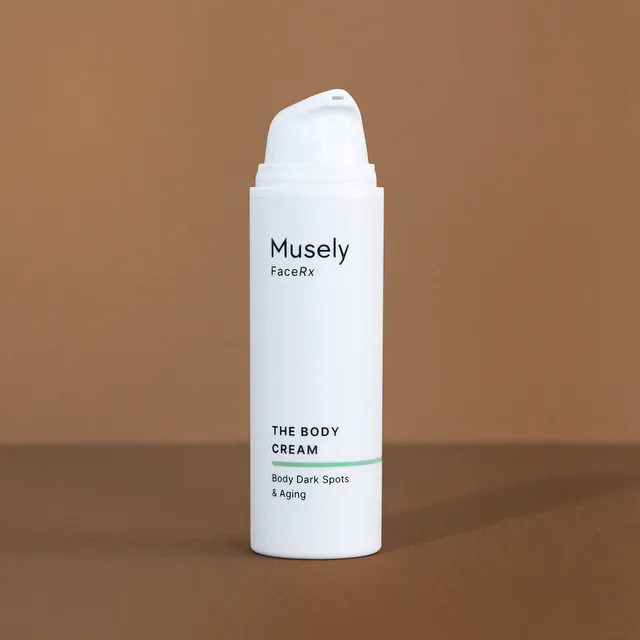
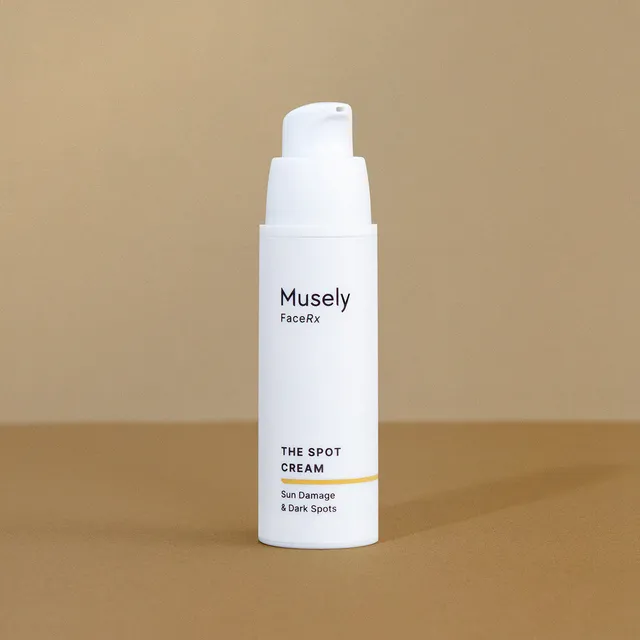
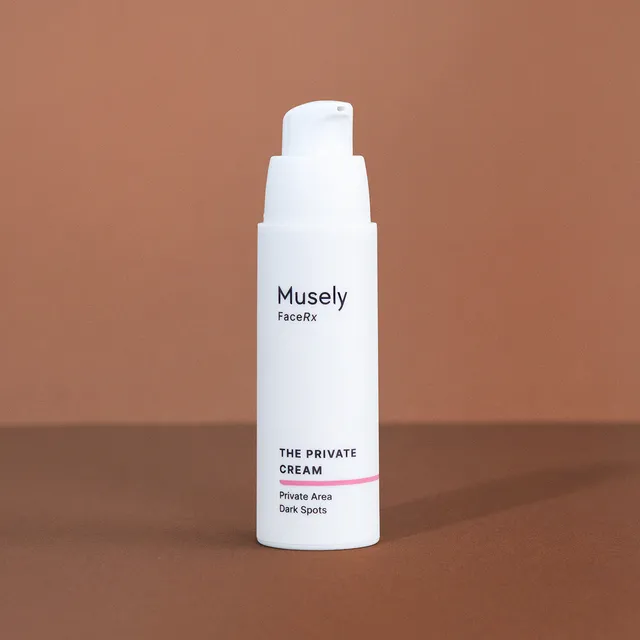
More tips like this
Dark Spots & Melasma
Hydroquinone 12% vs 2%: What Concentration Does the Science Support?
Dark Spots & Melasma
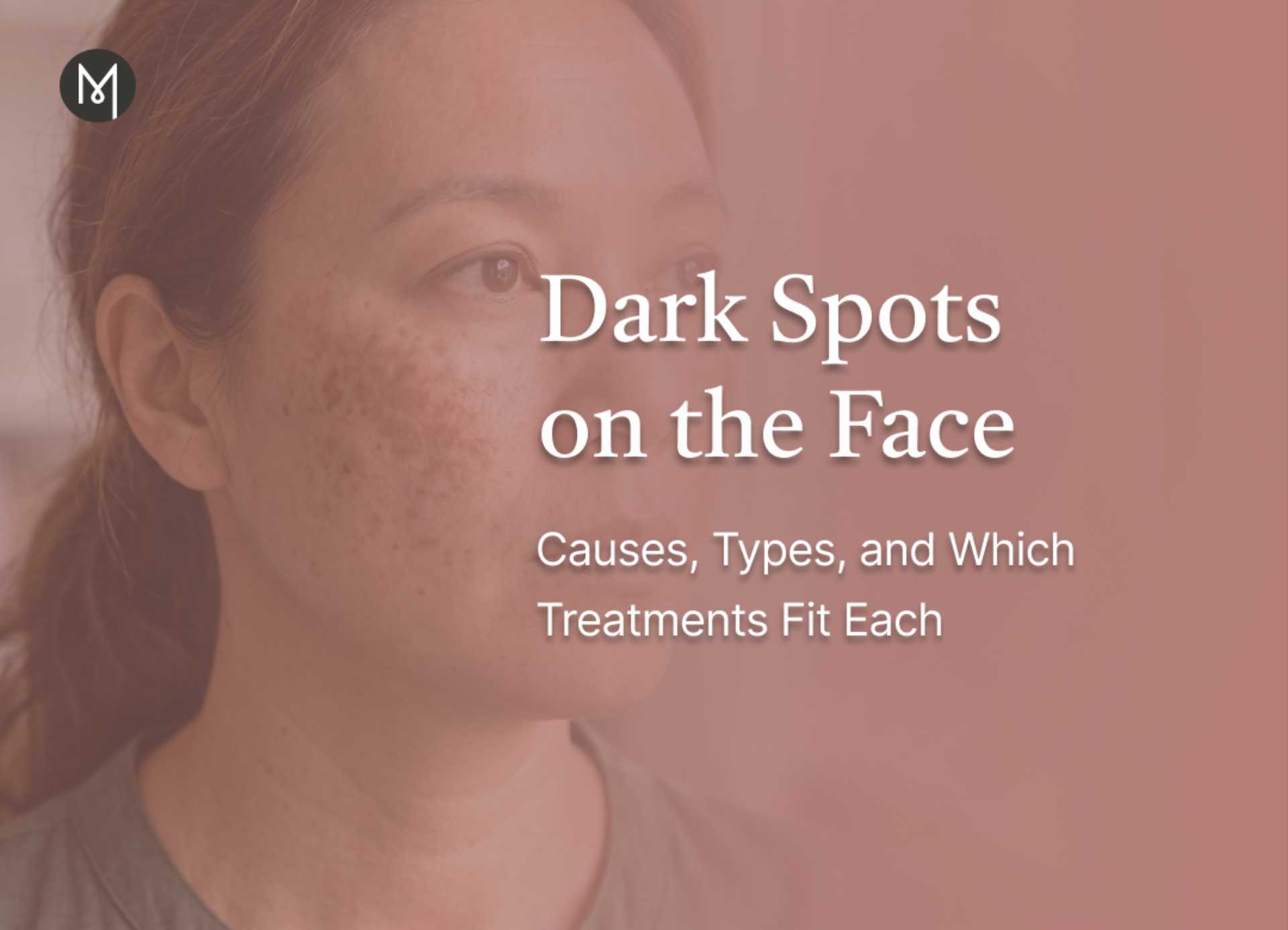
Dark Spots on the Face: Causes, Types, and Which Treatments Fit Each

Dark Spots & Melasma
Clearer Skin: Getting Rid of Dark Spots
Dark Spots & Melasma
Fast Hydroquinone Rx Online: Clear Dark Spots in Weeks
Dark Spots & Melasma
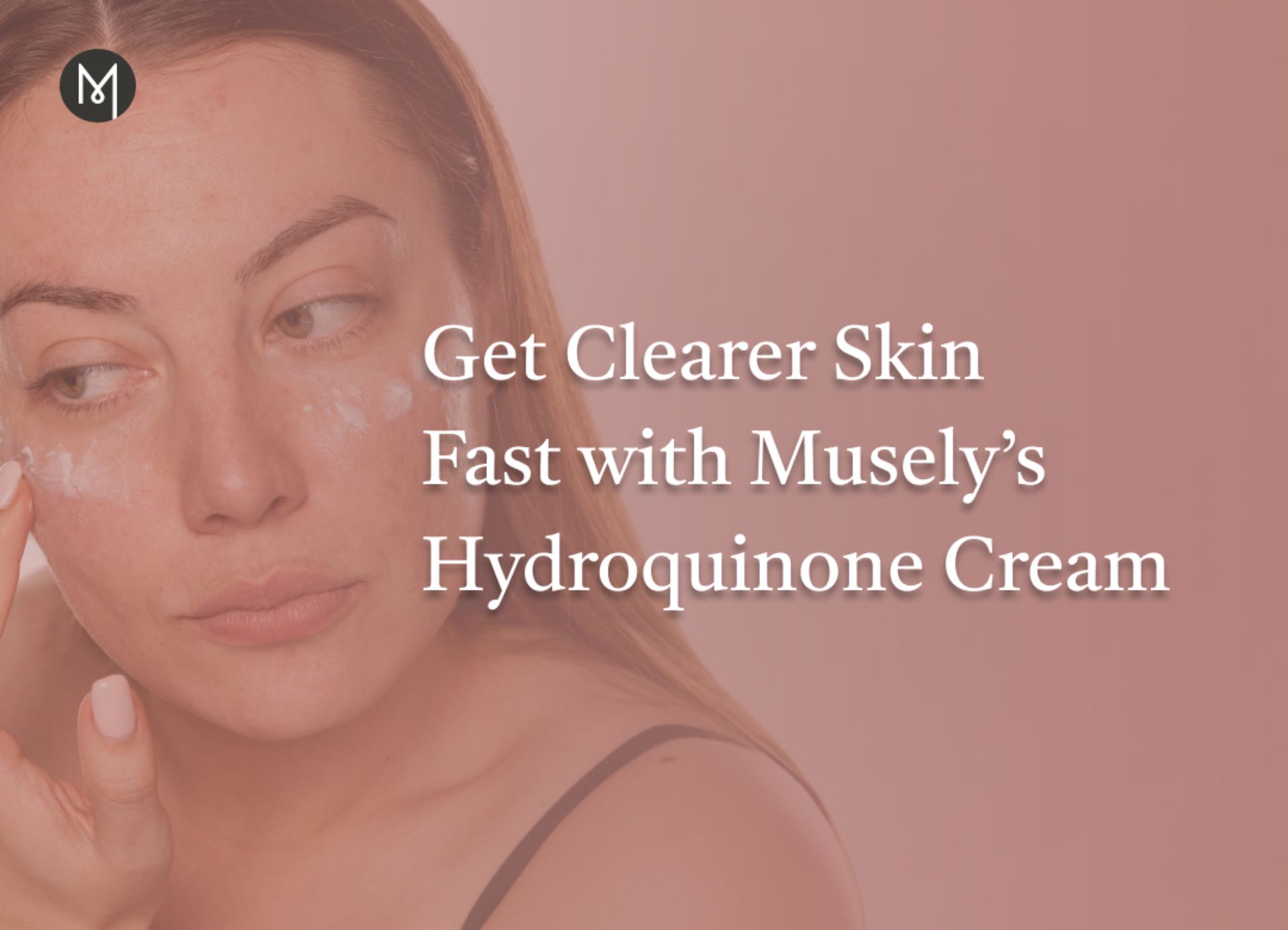
Get Clearer Skin Fast with Musely’s Hydroquinone Cream

Dark Spots & Melasma
60 Days Later ..

Dark Spots & Melasma
How To Get Rid Of Dark Spots And Hyperpigmentation

Dark Spots & Melasma