How To Get Rid Of Dark Spots And Hyperpigmentation

But what exactly are dark spots? According to plastic surgeon, Melissa Doft, M.D., she says that “Dark spots or hyper pigmentation are due to the overproduction of melanin in the skin by melanocytes. Hormones—both estrogen and progesterone—can increase the level of melanin; the sun can increase the level of melanin (why we have more dark spots after the summer); and age can increase the size of the melanocytes (why we see dark age spots in older patients),” Other factors, like skin irritation as a result of acne, waxing, and harsh scrubs, can also cause dark spots.
While NO ONE has or will ever have perfect skin, here are some helpful tips from experts to fight those pesky dark spots...

1. Sunscreen: No matter how cloudy it is outside, it’s always important to apply sunscreen every single day. Alan J. Parks, M.D. who is a board-certified dermatologist and founder of DermWarehouse says that, “Dark spots will get darker with sun exposure. Sunscreens, and particularly physical sunblocks that have either zinc oxide or titanium dioxide, can block out most of the rays that will darken the dark spots.” So clearly prevention is key when it comes to avoiding hyper pigmentation. For ultimate protection, try the Natural Baby Sunscreen from California Pure Naturals since it contains zinc and is formulated to protect even the most sensitive skin types.

2. Vitamin C: No, I’m not talking about orange juice. Did you know that vitamin C can be used as a topical antioxidant which helps to block free radicals from causing oxidative damage to the skin? Sumayah Jamal, M.D., of Schweiger Dermatology Group says “It also inhibits enzymatic processes that produce melanin in the skin, as such it can help to reduce dark coloration of the skin.” Plus it’s good to know that Vitamin C doesn’t lighten “normal” skin but only targets the problem areas with pigmentation. One of the best treatments Ive used so far is the Vitamin C serum from Insta Natural. It’s loaded with Hyaluronic Acid and Sea Buckthorn Oil to brighten and nourish the skin.


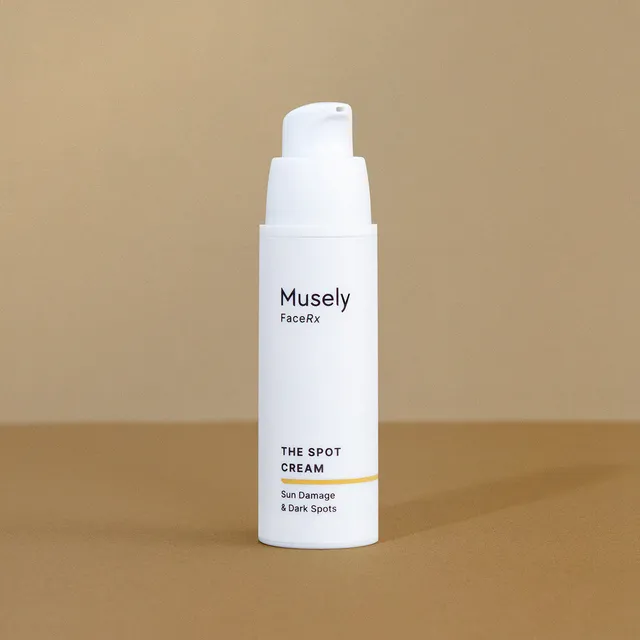
The Spot Cream from Musely is a perfect example that’s actually much more affordable than the typical prescription skin care routine at only $1 per day. The main active ingredient of this spot treatment is hydroquinone, but there are actually five main formulas of The Spot Cream, each with a unique blend of active ingredients formulated to banish dark spots. The other active ingredients include niacinamide, Vitamin C, kojic acid, azelaic acid, tranexamic acid, and tretinoin.
These different formula options mean that your dark spot treatment routine is actually customizable to fit your skin’s unique needs and level of sensitivity.
Musely offers an online dermatologist visit process that connects you to a board-certified dermatologist who can determine which formula is right for you and help you through your skincare journey. Because the entire process takes place online and the treatment then gets shipped to your doorstep, this is also essentially a melasma treatment at home, but it’s prescription-strength!
With Musely, you can get prescription skin care delivered to your door without the headache of scheduling an appointment, having an in-person doctor’s visit, or breaking the bank.
And it really works! Thousands of patients have sung the praises of The Spot Cream and volunteered to share their before and after photos and testimonies at www.musely.com/muselyworks. Their amazing results speak for themselves.
Click here to learn more about The Spot Cream and become a part of the FaceRx community today!
Products In This Tip
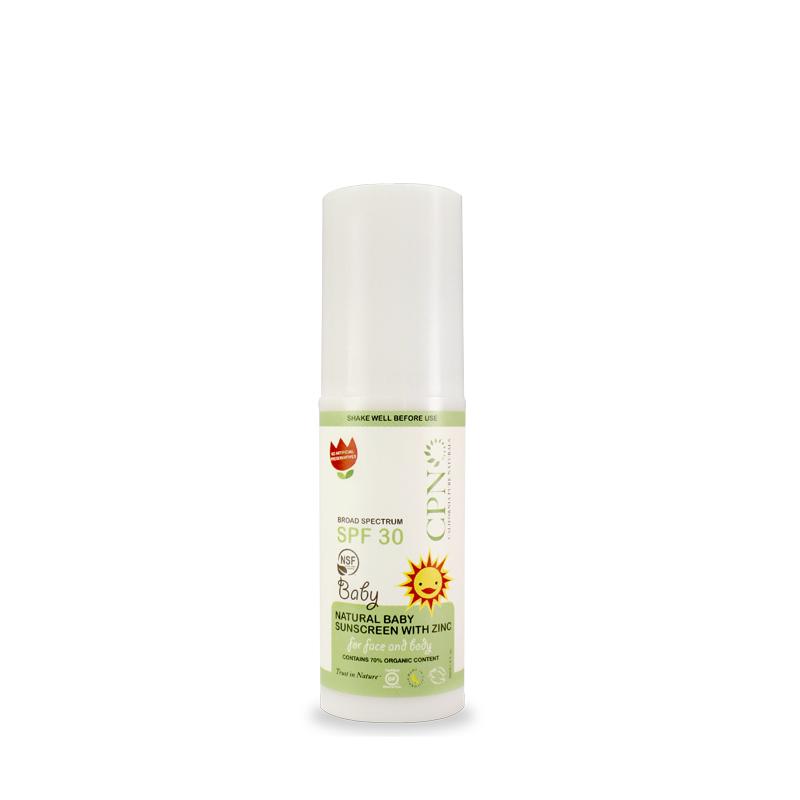
CPN Natural Baby Sunscreen with Zinc, SPF 30
An all-natural formulation rich in zinc oxide to provide broad-spectrum UVA/UVB light scattering, filtering out harmful UV rays without resorting to chemical sunscreens that are too harsh for a baby’s skin. Zinc oxide is also highly water-repellant, imparting long-lasting protection. We’ve also added botanical oils such as cranberry and rosehip, which are especially rich in antioxidants, to neutralize the free radicals that are formed by sun exposure and especially damaging to the delicate skin of babies.
Learn More
Vitamin C Serum
Our Vitamin C Serum is a powerful solution packed with nutrients to brighten the skin and prevent common signs of aging such as lines, wrinkles and discoloration. To enhance the antioxidant benefits of Vitamin C, our serum also includes Ferulic Acid to defend against damage, as well as Hyaluronic Acid and Sea Buckthorn Oil to support the skin's protective barrier.
Learn MoreMore tips like this
Dark Spots & Melasma
Hydroquinone 12% vs 2%: What Concentration Does the Science Support?
Dark Spots & Melasma
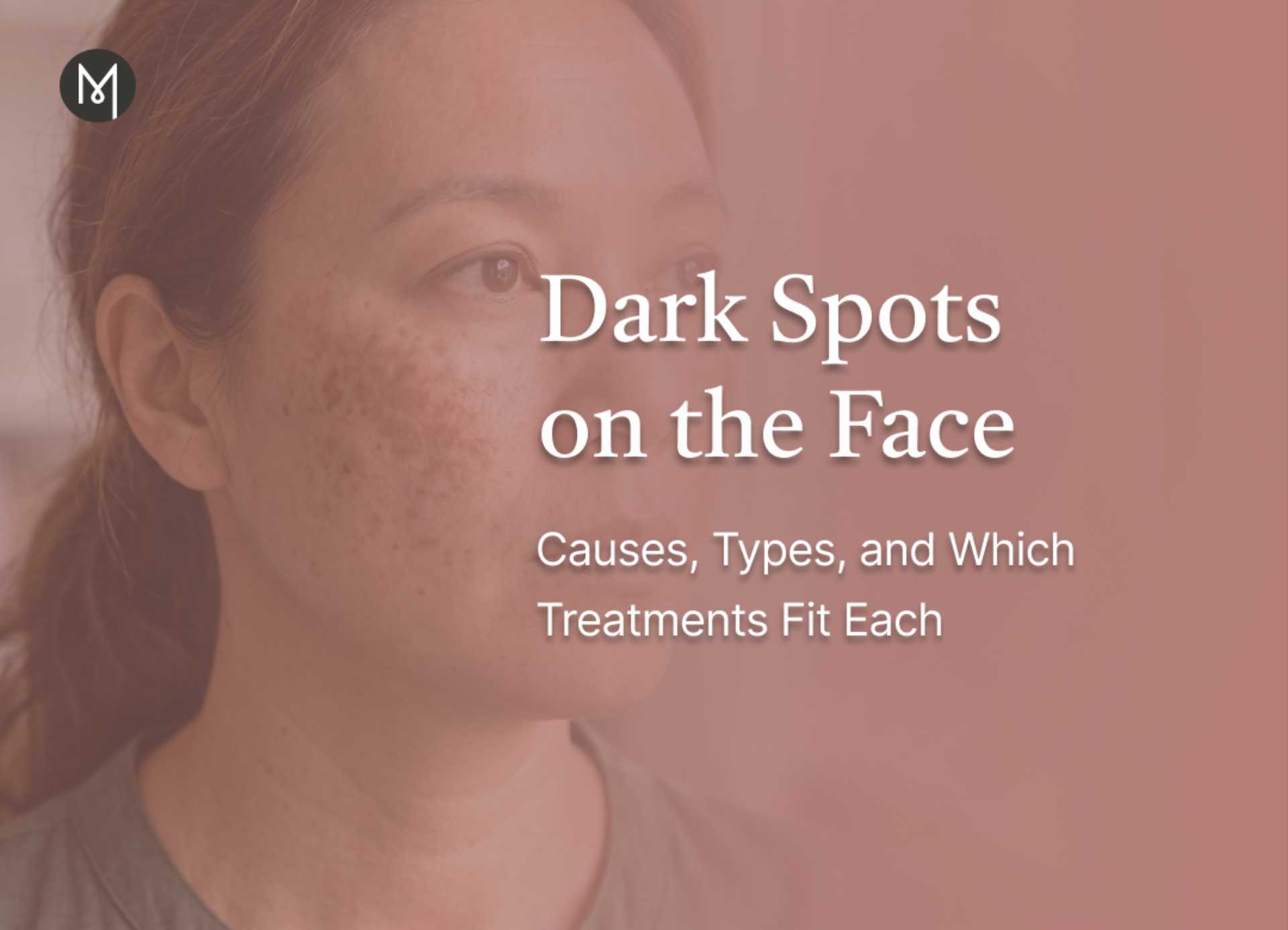
Dark Spots on the Face: Causes, Types, and Which Treatments Fit Each

Dark Spots & Melasma
Clearer Skin: Getting Rid of Dark Spots

Dark Spots & Melasma
60 Days Later ..
Dark Spots & Melasma
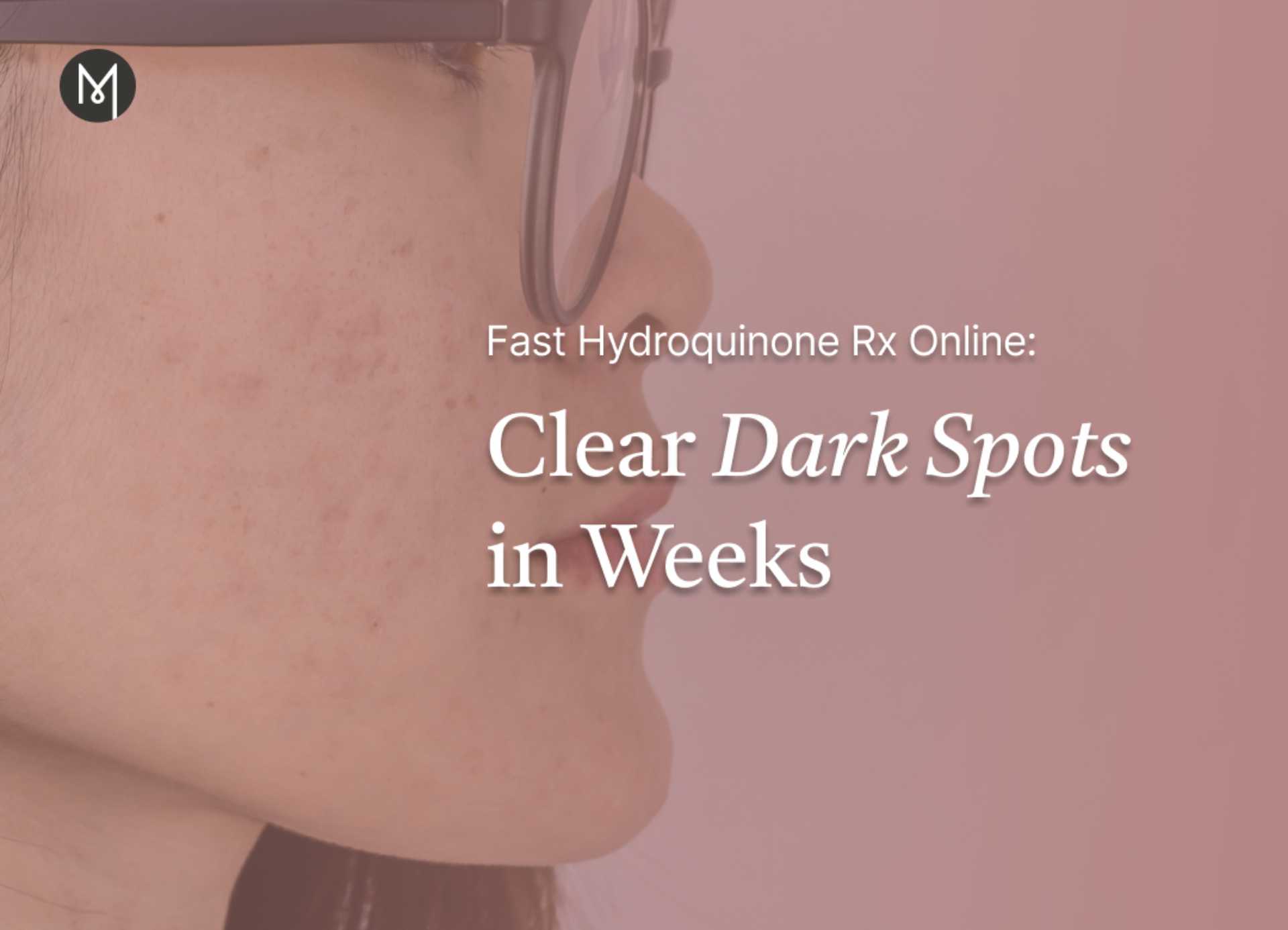
Fast Hydroquinone Rx Online: Clear Dark Spots in Weeks

Dark Spots & Melasma
My Fight With Hyperpigmentation Is Over!

Dark Spots & Melasma
Hydroquinone 101: Your Secret Weapon Against Summer Hyperpigmentation

Dark Spots & Melasma