Tranexamic Acid for Hyperpigmentation: Topical vs. Oral, Explained by Dermatologists

If you’re struggling with stubborn dark spots, melasma, or the marks left behind by acne, you know how frustrating the search for a real solution can be. Over-the-counter products often promise the world but fail to deliver, leaving you feeling stuck. We see you, and we’re here to help you find a path forward.
Fortunately, dermatologists have a powerful, science-backed ingredient in their toolkit: tranexamic acid (TXA). It has become a trusted treatment for persistent hyperpigmentation. This guide, with insights from dermatologists, will explain how it works and break down the differences between its topical and oral forms. At Musely, we believe everyone deserves access to these solutions: prescription skincare, without the waiting room.
What Is Tranexamic Acid and How Does It Work?
To understand your treatment options, it’s helpful to know a little about where this ingredient came from and what makes it so helpful for clearing skin discoloration.
From Medical Staple to Skincare Star
For decades, tranexamic acid has been used in hospitals to control bleeding [6]. During its use, doctors noticed an interesting and welcome side effect: patients' skin discoloration also improved. This discovery made TXA a game-changer for dermatology, offering a new way to treat hyperpigmentation that was previously very difficult to manage [1].
How TXA Stops Dark Spots at the Source
Hyperpigmentation is caused by an overproduction of melanin, the natural pigment that gives your skin color. This process is often kicked into overdrive by triggers like sun exposure, hormonal changes, or inflammation from acne.
Here’s a simple breakdown of how TXA steps in:
Triggers like UV light activate an enzyme in your skin called plasmin.
Plasmin then sends a message to your pigment-producing cells (melanocytes), telling them to make excess melanin.
Tranexamic acid works by blocking plasmin, intercepting the message before it can trigger this overproduction [7].
By calming this pathway, TXA gets to the source of dark spots, not just the surface symptoms. This makes it a highly sought-after ingredient for the long-term management of conditions like melasma and post-inflammatory hyperpigmentation (PIH) [5].
Topical vs. Oral Tranexamic Acid: Which Is Right for You?
Tranexamic acid is prescribed in two main ways: applied directly to the skin (topical) or taken as a pill (oral). A Board-Certified dermatologist will help you decide which path is best for your specific skin concerns.
Topical Tranexamic Acid: Treating the Surface
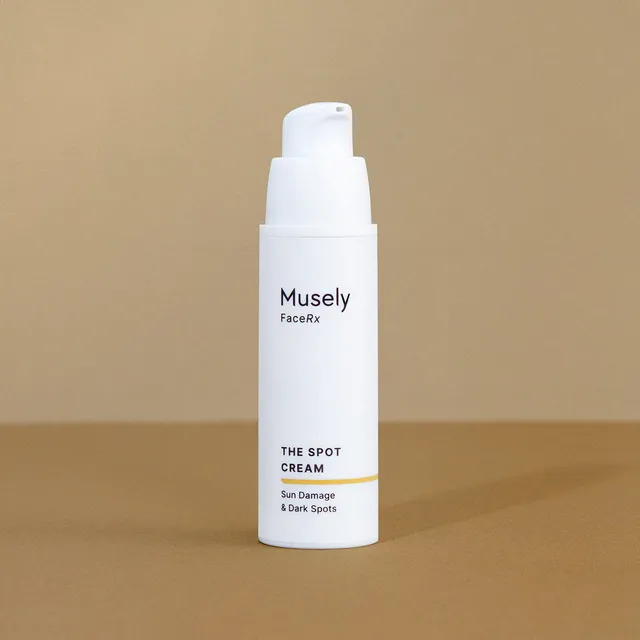
Topical TXA is a fantastic option for treating surface-level dark spots and mild to moderate pigmentation. Applied directly to the affected areas, it works on the upper layers of the skin. For a comprehensive effect, dermatologists often prescribe potent topical formulas that combine TXA with other proven ingredients. For example, a prescription treatment like The Spot Cream can be customized with ingredients like hydroquinone to powerfully target discoloration.
Pros: It allows for targeted treatment of specific spots and has a very low risk of systemic side effects. It's an excellent starting point for many people.
Cons: It may take longer to show significant results for deeper or more widespread pigmentation, such as dermal melasma [4].
Oral Tranexamic Acid: Working from the Inside Out
When topical treatments aren’t enough to clear stubborn spots, an oral medication for hyperpigmentation may be the answer. Low-dose tranexamic acid pills are a go-to solution for dermatologists treating deep, widespread, or treatment-resistant discoloration [2].
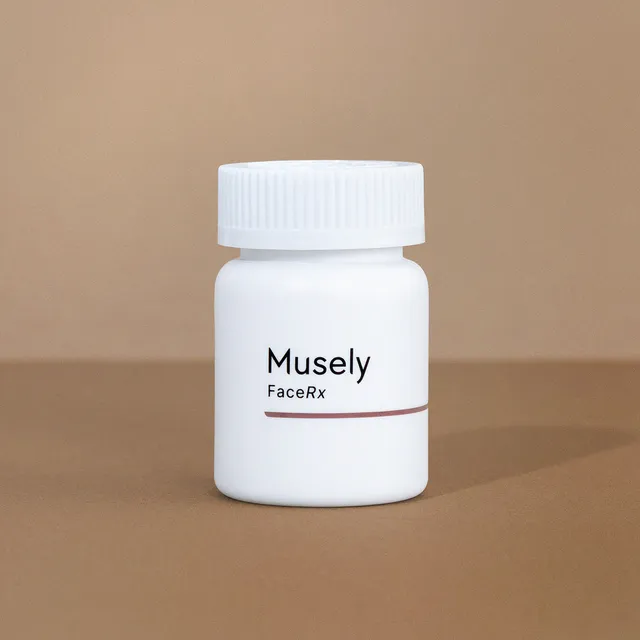
Taking TXA orally allows the medication to work systemically, calming pigment production from within. Musely offers this prescription treatment as The Spot Pill, which contains the active ingredient tranexamic acid. This approach can be transformative for those with persistent concerns, as seen in our patient reviews.
Pros: Potent for stubborn melasma, and can produce more significant and uniform results across the face.
Cons: As a prescription medication, it requires careful medical screening by a doctor and carries a small risk of systemic side effects. It is not suitable for everyone.
Why a Dermatologist's Guidance Is Essential
Only a Board-Certified dermatologist can properly assess your skin to determine the type and depth of your pigmentation. After reviewing your skin goals and medical history, they will recommend the best course of action. This is where Musely shines, connecting you with an expert doctor online to create a personalized treatment plan and help you understand the benefits of oral medications vs. topical treatments for your unique situation.
Dosing: What to Expect with Oral TXA
The idea of taking a pill for a skin condition might be new to you, so it’s important to understand what’s involved. Your health is our top priority.
Low Doses, High Standards
The doses of oral TXA used for hyperpigmentation are much lower than those used for bleeding disorders, making it a well-tolerated option for most people [3].
However, because it is an oral medication, it is not suitable for everyone. Before prescribing The Spot Pill, your Musely dermatologist conducts a mandatory online Doctor Visit. They will thoroughly review your medical history to screen for contraindications. This is critical, as oral TXA should not be used by individuals with a personal or family history of blood clots, certain clotting disorders, or other specific medical conditions [8]. While potential side effects like mild headache or stomach upset are uncommon, our medical team and eNurse are available to support you.
Your Personalized, Freshly Compounded Prescription
At Musely, our treatments are formulated by U.S. dermatologists and compounded fresh for you. This ensures your medication is at peak potency and tailored to your specific needs. We believe this personalized, science-first approach is key to achieving real, lasting results. We don't chase trends, we solve real problems.
A Complete Approach to Clearer Skin
Treating hyperpigmentation requires a consistent and comprehensive strategy. Here’s how to get the best results from your TXA treatment:
Consider Combination Therapy: For the most stubborn cases, dermatologists often recommend a multi-faceted approach. This may mean using an oral medication like The Spot Pill alongside a powerful topical like The Spot Cream to tackle pigmentation from all angles. Musely offers a range of treatments for different concerns that your doctor can help you navigate.
Make Sunscreen Non-Negotiable: Daily use of a broad-spectrum sunscreen with SPF 30 or higher is critical. UV exposure is a primary trigger for dark spots, and without consistent sun protection, your treatment will be fighting an uphill battle.
Stay Consistent: Real change doesn’t happen overnight. Results come from consistent, daily use over time. Sticking with your prescribed routine is the key to clearer skin for good.
Your Path to Lasting Results Starts Here
Tranexamic acid is a proven, dermatologist-trusted ingredient that can finally help you win the fight against hyperpigmentation. Whether topical or oral, the right choice depends on your unique skin, and that journey starts with expert guidance.
We've treated over 1.3 million patients and counting, connecting them with personalized care that delivers real results. If you're ready to see a change, start your online Doctor Visit today to get a diagnosis and a custom treatment plan.
More questions? Visit our Help Center or check out our Frequently Asked Questions to learn more.
Citations
[1] https://losangeles-dermatologist.com/exploring-tranexamic-acid-dermatological-breakthrough-hyperpigmentation
[2] https://pubmed.ncbi.nlm.nih.gov/41601401
[3] https://dermnetnz.org/topics/tranexamic-acid
[4] https://jddonline.com/articles/optimizing-melasma-management-with-topical-tranexamic-acid-an-expert-consensus-S1545961623P0386X
[5] https://pmc.ncbi.nlm.nih.gov/articles/PMC11439988
[6] https://www.mayoclinic.org/drugs-supplements/tranexamic-acid-oral-route/description/drg-20073517
[7] https://www.droracle.ai/articles/428347/wat-is-txa-moa-and-indications
[8] https://dph.sc.gov/sites/scdph/files/media/document/300-301%20-%20TXA-ForWeb%20%281%29.pdf
Products In This Tip
More tips like this
Dark Spots & Melasma
Hydroquinone 12% vs 2%: What Concentration Does the Science Support?

Dark Spots & Melasma
Clearer Skin: Getting Rid of Dark Spots

Dark Spots & Melasma
60 Days Later ..
Dark Spots & Melasma
Fast Hydroquinone Rx Online: Clear Dark Spots in Weeks

Dark Spots & Melasma
My Fight With Hyperpigmentation Is Over!

Dark Spots & Melasma
Hydroquinone 101: Your Secret Weapon Against Summer Hyperpigmentation

Dark Spots & Melasma
It Works- The Spot Cream

Dark Spots & Melasma