Hair Health Guide: Causes, Treatments & Care Tips 2026
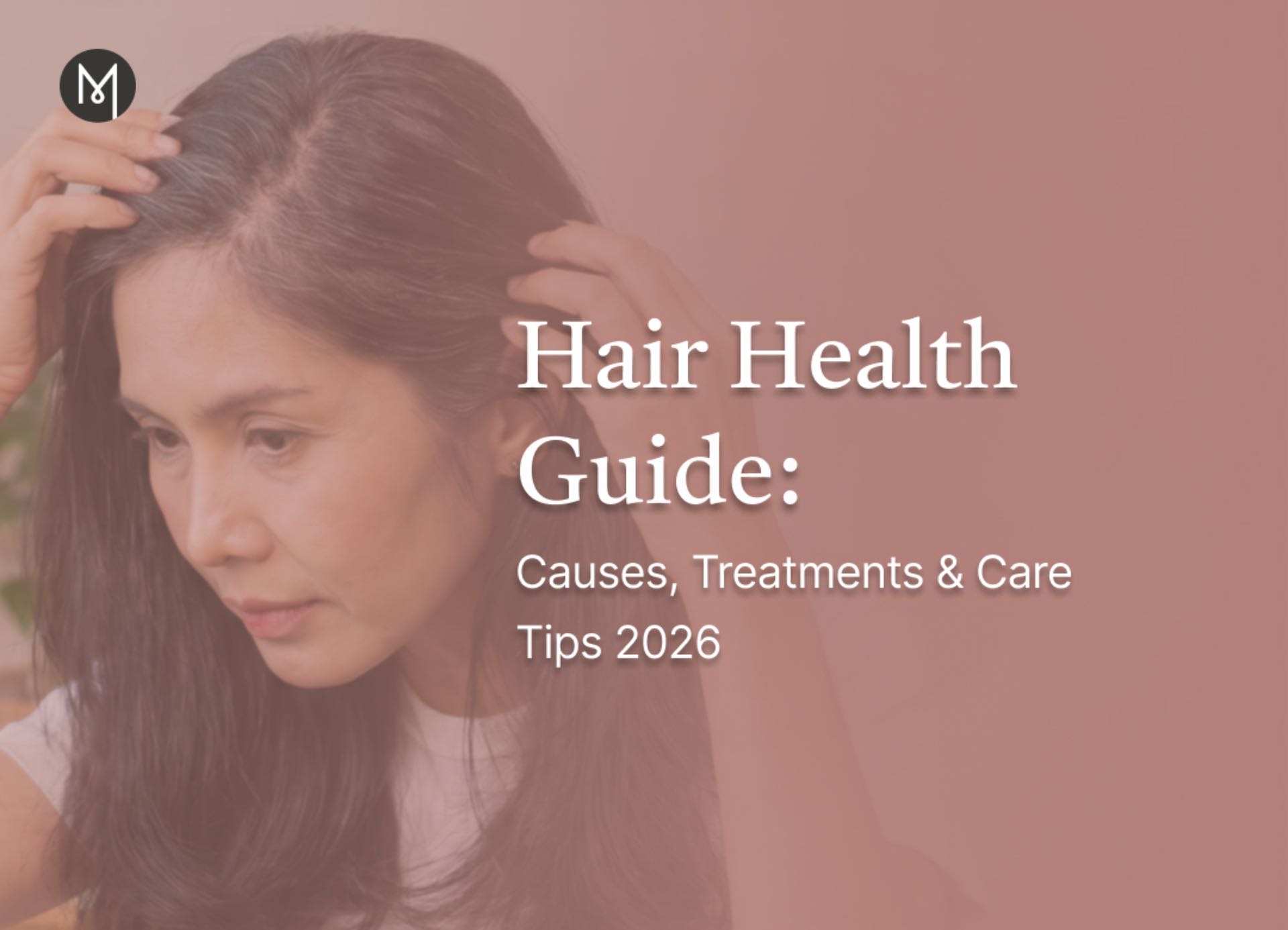
Dealing with hair thinning or loss can feel isolating, but you are not alone. Millions of people experience changes in their hair health, and the good news is that science-backed solutions are more accessible than ever in 2026. Understanding the root cause of your hair changes is the first and most crucial step toward finding the right treatment.
This guide will walk you through the common causes of hair loss, the most powerful treatments available today, and the daily care tips that can make a real difference.
Understanding the Root Causes of Hair Loss
Hair grows in a continuous cycle, and shedding a certain number of hairs each day is perfectly normal. Noticeable thinning occurs when this shedding begins to outpace regrowth. This can happen for several reasons.
Androgenetic Alopecia (Pattern Hair Loss)
The most common cause of hair loss by a wide margin is androgenetic alopecia, which affects both men and women. It is frequently known as male pattern baldness or female pattern hair loss. This condition is driven by a combination of genetics and hormones, specifically dihydrotestosterone (DHT), a byproduct of testosterone that shrinks hair follicles over time, making it difficult for hair to grow.
In men: It often starts as a receding hairline, thinning at the temples, or a bald spot at the crown.
In women: It typically appears as diffuse thinning across the top of the scalp, most noticeably as a widening part line.
Because this type of hair loss is progressive, seeking treatment early is the best way to preserve existing hair and encourage regrowth.
Telogen Effluvium (Stress-Induced Shedding)
If you've noticed a sudden, significant increase in shedding all over your scalp, you may be experiencing telogen effluvium. This is a temporary form of hair loss often triggered by a major physical or emotional shock to your system, such as a serious illness, surgery, childbirth, or a period of intense stress. This shock can push a large number of hairs into the shedding (telogen) phase of the hair cycle all at once. While distressing, this condition is usually temporary, and hair typically regrows once the underlying stressor has been resolved. How To Regrow Thinning Hair: 8 Evidence-Based Methods.
Other Common Causes
Several other factors can contribute to thinning hair:
Nutritional Deficiencies: Deficiencies in nutrients such as iron, zinc, protein, or certain vitamins can contribute to hair shedding in some patients. However, supplements are unlikely to help when no deficiency exists, and excessive intake of some nutrients can worsen hair loss or cause other health problems. A provider may recommend testing based on your symptoms, diet, and medical history.
Hormonal Imbalances: Conditions like thyroid disorders and Polycystic Ovary Syndrome (PCOS) are known to interfere with the hair growth cycle.
Hairstyling Habits: Tight hairstyles that pull on the roots can cause traction alopecia, while excessive heat or chemical treatments can lead to breakage and damage.
Medical Conditions: Certain autoimmune diseases, scalp infections, and other underlying health issues can also be culprits.
The Best Treatments for Hair Thinning and Loss in 2026
The journey to healthier hair starts with an accurate diagnosis from a doctor. While countless over-the-counter products make bold claims, the best treatment for hair loss is typically a solution backed by science and prescribed by a medical professional.
Prescription Medications: The Gold Standard
For androgenetic alopecia, prescription medications are widely considered the most powerful and reliable treatment options available.
Minoxidil vs. Finasteride and Dutasteride
Minoxidil: This medication works as a vasodilator, increasing blood flow to the hair follicles and extending the hair's growth phase. While available over-the-counter in lower strengths, prescription-strength topical formulas are often more beneficial for significant regrowth.
Finasteride & Dutasteride: Available only by prescription, these medications are e blockers. They work by targeting the hormonal root of pattern hair loss. Studies show Dutasteride is generally more potent at blocking DHT than Finasteride.
While these medications are highly impactful, it's essential to consult with a doctor to discuss potential side effects. Topical Minoxidil can sometimes cause scalp itching or irritation. With oral Finasteride and Dutasteride, a small percentage of men may experience sexual side effects. A dermatologist can help you weigh the benefits and risks for your specific situation.
Deciding between a topical or oral treatment depends on your diagnosis, lifestyle, and preferences. Topical solutions deliver medication directly to the scalp, which may minimize systemic side effects, while oral medications offer ease and convenience.
At Musely, we don't chase trends. We solve real problems by providing access to expert dermatological care from home. Our treatments are formulated by U.S. dermatologists and compounded fresh for you, combining powerful ingredients like Minoxidil, Finasteride, Dutasteride, Spironolactone, and Tretinoin into personalized formulas. This approach allows your doctor to create a multi-faceted treatment plan for your specific needs, whether you are a man or a woman.
Other Medical and Professional Procedures
For some individuals, procedures like Platelet-Rich Plasma (PRP) therapy or hair transplants are valid options. However, these are typically more invasive and come at a significantly higher cost than prescription medications. It's not too late to save thinning hair. Many people find great success by starting with more accessible topical or oral treatments first.
Healthy Hair Care and Growth Tips
Medication provides the engine for regrowth, but a healthy hair care routine creates the optimal environment for your hair to thrive.
How to Wash and Condition Your Hair
Focus shampoo on your scalp, where oil and product residue accumulate. Let the suds run down the lengths of your hair rather than scrubbing them directly. Always follow with a conditioner to help seal the hair cuticle, which reduces breakage and improves shine. Tips for healthy hair.
Styling and Handling with Care
Your hair is most fragile when it's wet. Instead of aggressive towel-drying, gently squeeze out excess water. Use a wide-tooth comb to detangle, starting from the ends and working your way up to the roots. Minimize the use of high-heat styling tools and avoid tight hairstyles that create constant tension on your follicles. 14 Ways to Help Your Hair Grow Faster and Stronger.
The Role of Diet and Nutrition
A balanced diet rich in protein, vitamins, and minerals provides the fundamental building blocks for strong, healthy hair. Bioactive Nutritional Macromolecules Supporting Hair Structure, Density, and Growth: A Comprehensive Review. Foods containing iron, zinc, biotin, and high-quality protein are especially important for supporting follicle health and promoting new growth. The Ultimate Guide to Healthy Hair: Expert Hair Care & Growth Tips.
What to Expect: Your Hair Regrowth Journey
Patience and consistency are the two most important elements of any hair growth journey. Hair grows slowly, so results will not appear overnight.
Initial Shedding: When you begin a treatment like Minoxidil, you may experience a temporary increase in shedding for the first few weeks. This is a positive sign that the medication is working by pushing out older, weaker hairs to make room for new, stronger ones.
Timeline: It typically takes 3-6 months of consistent use to see noticeable improvement, with full results often visible after a year or more.
Long-Term Commitment: For genetic hair loss, treatment is a marathon, not a sprint. To maintain your results, you'll need to continue your treatment as prescribed by your doctor. Will I Need Lifetime or Temporary Treatment for Hair Loss?
We know this journey can feel long, which is why Musely provides ongoing support through our eNurse check-in system and a 60-Day Result Guarantee on select treatments to ensure you feel confident and supported on your path to healthier hair.
Taking the Next Step for Your Hair Health
You don't have to navigate hair loss alone. The most powerful step you can take is to move from worrying to acting. With today's science-backed treatments, you can take control of your hair health.
Musely offers prescription skincare, without the waiting room. Our innovative platform connects you with a board-certified dermatologist online in minutes. After you complete a simple 3-minute online doctor visit, your assigned dermatologist will review your case, create your personalized treatment plan, and your freshly compounded medication will be shipped directly to your door.
We've treated over 1 million patients and counting, providing expert, compassionate care for conditions like female hair loss and male pattern baldness.
Ready to start your journey? Explore our hair loss treatments today.
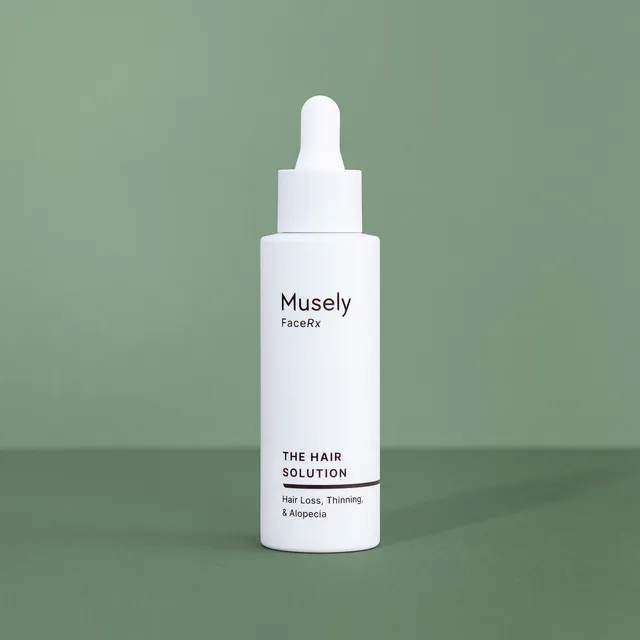
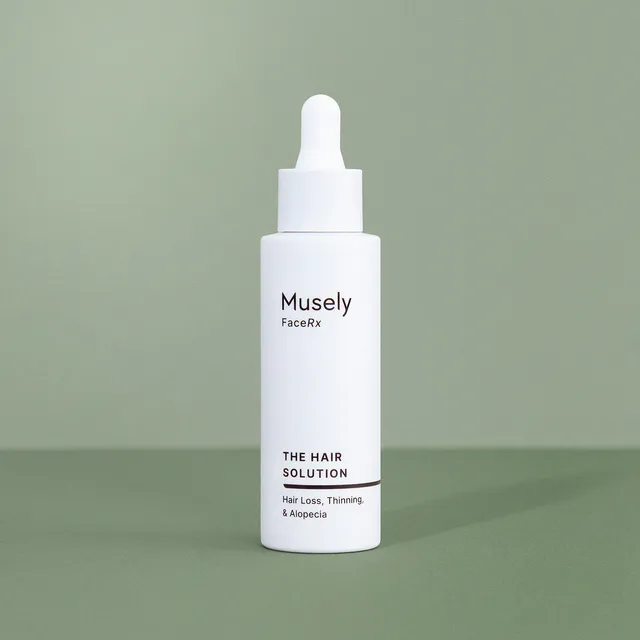
Products In This Tip
More tips like this

Hair & Scalp Health
Hidden Secrets to Stop Thinning Hair: Tips You Might Not Know About

Hair & Scalp Health
Get Your Best Hair Ever: 3 Summer Hair Care Habits to Start Today

Hair & Scalp Health
Hair Loss Treatments: When Should I Switch Formulas for Hair Regrowth?

Hair & Scalp Health
Q&A: Unexpected Positive Side Effects of This Effective DHT Blocker (According to a Dermatologist)

Hair & Scalp Health
What is Alopecia? Your Questions, Answered

Hair & Scalp Health
DHEA and Its Impact on Hair Loss

Hair & Scalp Health