Oral Minoxidil Hair Regrowth: What to Expect & Safety
Experiencing hair loss can feel isolating, but you are far from alone. It’s a journey shared by millions, and thankfully, impactful, science-backed solutions are available. While topical minoxidil has long been a go-to treatment, its oral counterpart is gaining recognition as a powerful and convenient alternative for hair regrowth.
Originally developed to treat high blood pressure, low-dose oral minoxidil is now widely prescribed off-label by dermatologists for its remarkable ability to combat hair loss. If you're wondering if this daily pill could be your key to fuller, healthier hair, you've come to the right place. Let’s break down what to expect, how it works, and how to use it safely.
Does Oral Minoxidil for Hair Loss Actually Work?
Yes, for many people, oral minoxidil is a highly impactful treatment for hair loss. A comprehensive 2025 review of numerous studies confirmed its ability to treat various types of alopecia, including androgenetic alopecia (male and female pattern baldness) and telogen effluvium (stress-induced shedding) Efficacy and safety of oral minoxidil in the treatment of alopecia.
To understand why it works, it helps to know that minoxidil is a “prodrug.” It needs to be activated by an enzyme in your body called sulfotransferase to do its job. While this enzyme is present in some people's hair follicles, not everyone has enough for topical minoxidil to be powerful.
However, the liver is rich in this enzyme. When you take minoxidil orally, it's efficiently activated in the liver and then circulated through the bloodstream to hair follicles all over your body. There, it helps widen blood vessels and prolong the growth phase of the hair cycle. This systemic approach is why oral minoxidil can work even when topical treatments haven't.
When Is Oral Minoxidil a Good Choice?
While topical treatments are a great starting point, a dermatologist might recommend oral minoxidil for several reasons. It could be the right choice if:
You've Had Scalp Irritation from Topical Treatments
Topical solutions often contain ingredients like propylene glycol or alcohol, which can cause itching, redness, or dandruff. Since oral minoxidil works from the inside out, it completely bypasses the risk of localized scalp irritation.
Topical Minoxidil Didn't Work for You
If you’ve used topical minoxidil consistently for over six months without success, you might lack the specific scalp enzymes needed to activate it. Switching to the oral form allows your liver to do the activation work, potentially unlocking the results you’ve been hoping for.
You Prefer the Convenience of a Pill
Let’s be honest: applying a topical treatment twice a day can be messy and inconvenient. It can interfere with hairstyling and require you to wait before your hair touches anything. A simple, once-daily pill like The Hair Pill is easier for many to stick with, and consistency is crucial for hair growth.
You're Concerned About Hair Texture
Some people find that topical foams or liquids leave their hair feeling greasy, stiff, or dry. Oral minoxidil won’t affect the texture of your existing hair, as it delivers the active ingredient directly to the follicle via your bloodstream. This is one of many factors to consider when deciding between oral versus topical treatments.
What to Expect: A Timeline for Hair Regrowth
Patience and consistency are your two best friends when starting any new hair loss treatment. Results don't happen overnight, but they do happen. Here’s a typical timeline:
Months 1-2: The "Dread Shed." It may seem alarming, but an initial increase in shedding may occur. Minoxidil is pushing your hair follicles into a new growth phase, shedding old, weaker hairs to make room for new, stronger ones. This phase is temporary and a well-known part of the process.
Months 3-6: The First Signs of Growth. You'll likely notice a decrease in shedding and may start to see fine, soft "baby hairs" appearing along your hairline and part. Stick with it—this is just the beginning.
Months 6-12+: Visible Thickness. Your new hair will continue to grow longer and stronger, contributing to a visible improvement in volume and density. Many patients, like Blair G., who saw "amazing results", report significant progress around the six-month mark and beyond.
Remember, minoxidil treats the symptoms of hair loss, but it is not a cure. You must continue taking it to maintain your results. If you stop, the regrown hair will likely shed over the following months.
Safety and Side Effects of Low-Dose Oral Minoxidil
Because the doses used for hair loss are much lower than those used for blood pressure, oral minoxidil is generally well-tolerated. A large multicenter study of over 1,400 patients confirmed its strong safety profile at low doses Safety of low-dose oral minoxidil for hair loss: A multicenter study of ...
However, it's important to be aware of potential side effects, which are typically dose-dependent. Common side effects include:
Hypertrichosis: This is the most common side effect—unwanted fine hair growth on the face or body. It occurs because the medication circulates systemically. This effect is usually mild and reversible by lowering the dose or stopping the medication.
Initial Hair Shedding: As mentioned above, this is a temporary and expected phase.
Lightheadedness or Dizziness: Because minoxidil is a vasodilator, it can slightly lower blood pressure. This may cause dizziness, especially when standing up quickly.
Fluid Retention (Edema): A small percentage of users may experience mild swelling in their ankles or feet.
Headaches: Some people report headaches when starting treatment, but this often resolves over time.
More serious side effects are rare at low doses but can include a rapid heart rate (tachycardia) or chest pain Oral Minoxidil for Alopecia Treatment: Risks, Benefits, and Recommendations. You should always discuss your full medical history with your doctor before starting treatment.
Who Should Avoid Oral Minoxidil?
Oral minoxidil is not suitable for everyone. You should not take it if you are pregnant or breastfeeding, have a tumor of the adrenal gland (pheochromocytoma), or have certain heart conditions like pericardial effusion Minoxidil (oral route) - Side effects & dosage - Mayo Clinic. This is why getting prescription skincare, without the waiting room, through a platform that connects you with a real dermatologist is essential for safety.
Finding the Right Oral Minoxidil Dosage
There is no one-size-fits-all dose. Your dermatologist will prescribe a dose tailored to you, balancing maximum efficacy with minimal side effects.
For Women: Treatment typically starts at a very low dose, often between 0.25 mg and 1.25 mg per day. The goal is to find the lowest effective dose to minimize the risk of side effects like unwanted facial hair. Explore more about minoxidil safety for women.
For Men: Doses usually start between 1.25 mg and 2.5 mg, with a maximum dose of around 5 mg per day.
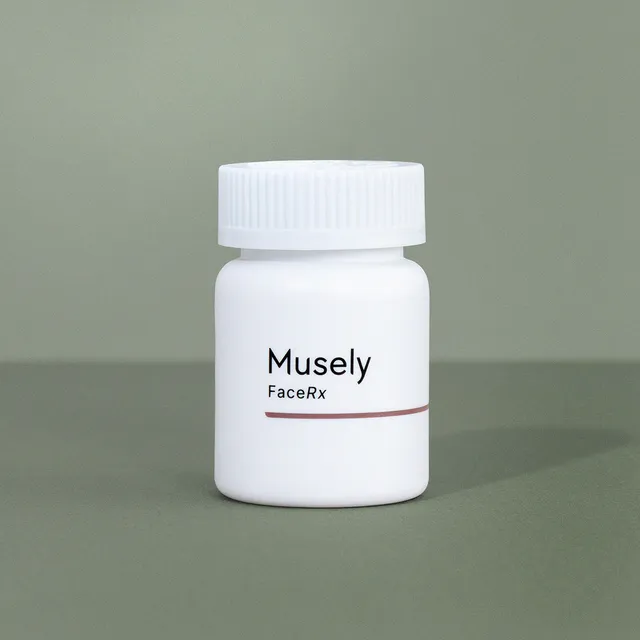
At Musely, our dermatologists often prescribe customized formulas that combine minoxidil with other powerful ingredients. For example, The Hair Pill for Women combines it with dutasteride and spironolactone, while the men's formula may also use dutasteride—another proven ingredient in the fight against hair loss. This multi-ingredient approach can lead to even better results. Learn more about dutasteride vs. minoxidil.
Your Partner in Hair Regrowth
Oral minoxidil has emerged as a game-changing treatment for hair loss, offering hope and real results for many. But the most impactful journey is one you don’t walk alone. Working with a dermatologist ensures your treatment is personalized and adjusted to your health profile as needed.
At Musely, we don't chase trends—we solve real problems with science-backed solutions. With over 1 million patients treated and counting, we provide access to board-certified dermatologists who create a treatment plan just for you. Your prescription is formulated by U.S. dermatologists and compounded fresh for you, then delivered to your door. With our 60-Day Result Guarantee and ongoing eNurse support, you can feel confident in your path to healthier hair.
Ready to take the next step? Explore our prescription hair loss treatments today.
Products In This Tip
More tips like this
Hair & Scalp Health
Hair Health Guide: Causes, Treatments & Care Tips 2026

Hair Removal
How PCOS Causes Unwanted Facial Hair
Hair & Scalp
Exosomes for Hair Growth: The Breakthrough Treatment for Thicker, Fuller Hair

Hair & Scalp Health
Hidden Secrets to Stop Thinning Hair: Tips You Might Not Know About

Hair & Scalp Health
Get Your Best Hair Ever: 3 Summer Hair Care Habits to Start Today

Women's Hair Loss
How To Find Your Perfect Hair Treatment Combo (Oral vs. Topical Hair Loss Treatment)

Hair & Scalp Health
Hair Loss Treatments: When Should I Switch Formulas for Hair Regrowth?

Hair & Scalp Health