Thinning Hair 101: Dutasteride vs. Minoxidil—Which Treatment Is Right for You?
Thinning hair is a common concern that can begin gradually, with subtle signs like increased shedding or a wider part line. While many turn to over-the-counter remedies, evidence shows that prescription-strength treatments offer significantly better outcomes. Medications like minoxidil and dutasteride are clinically proven to address the root causes of hair loss, including hormonal imbalances and poor scalp circulation.
Musely provides access to customized treatments through its telehealth platform, offering both topical and oral options. These solutions are designed to fit a variety of hair loss patterns and lifestyle needs. The key to regrowth is early action and consistent use.
To simplify your path forward, Musely’s system helps you identify the likely cause of hair loss and match it with the best treatment for you. Most users see noticeable improvement within three to six months.
Understanding Thinning Hair
What Is “Thinning Hair”?
Thinning hair refers to a gradual reduction in the density or diameter of scalp hairs rather than discrete bald patches. It often begins with subtle cues: a wider part, a thinner ponytail, or more strands on the pillow. Dermatologists classify most gradual thinning as androgenetic alopecia, which affects up to 80 percent of men and about 50 percent of women by age 70. Among white men, prevalence climbs from 16 percent in ages 18–29 to 53 percent in ages 40–49.
Early detection matters. Typical warning signs include a slowly enlarging bald spot, receding hairline, widening part, and decreased hair volume. Women are more likely to note diffuse thinning at the crown, whereas men frequently notice a receding frontal hairline. Because thinning is progressive, identifying changes promptly allows for timely, evidence‑based intervention.
What are the Root (no pun intended) Causes of Thinning Hair?
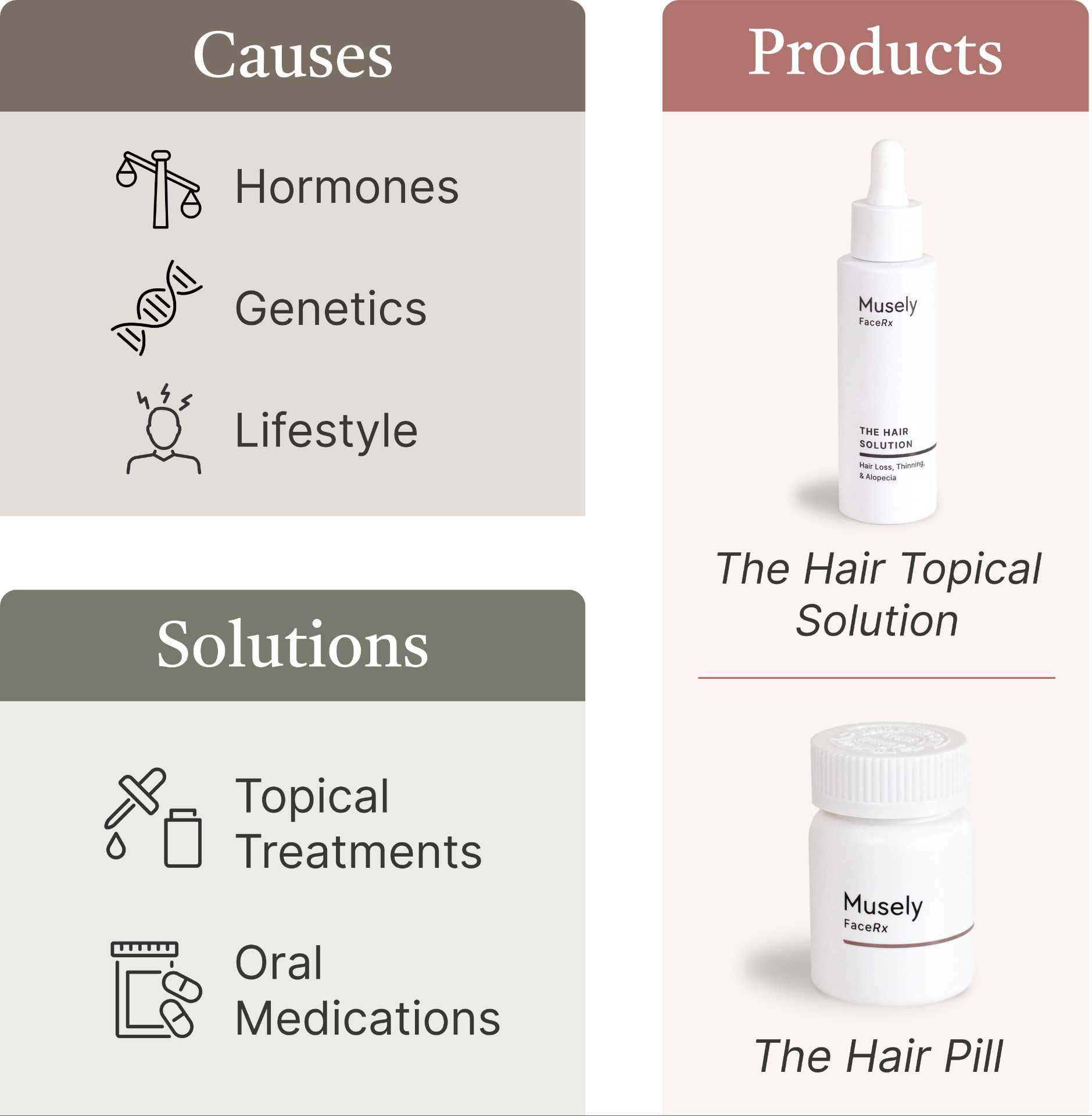
Hair thinning rarely stems from a single issue. Instead, it often results from a combination of genetic, hormonal, nutritional, and medical factors that disrupt the normal hair growth cycle. Understanding the underlying cause is essential for choosing the right treatment, since what works for hormone-related loss may not help if the root issue is iron deficiency or thyroid dysfunction. In this section, we break down the most common contributors to thinning hair and explain how each one affects the health of your scalp and follicles.
Hormone‑driven change (androgenetic alopecia). Excess dihydrotestosterone (DHT) shortens the growth phase of genetically susceptible follicles, leading to miniaturized hairs.
Hormonal shifts in life events. Pregnancy, postpartum, perimenopause, and menopause alter estrogen–androgen balance, triggering telogen effluvium or accelerating female‑pattern loss.
Nutritional and lifestyle factors. Low iron, rapid weight loss, protein restriction, chronic stress, and certain restrictive diets can push follicles into a resting state. Iron‑deficiency–related alopecia is especially common in pre‑menopausal women.
Medical and autoimmune triggers. Thyroid disease, polycystic ovary syndrome, alopecia areata, and systemic inflammatory disorders disrupt normal cycling and can produce diffuse or patchy loss.
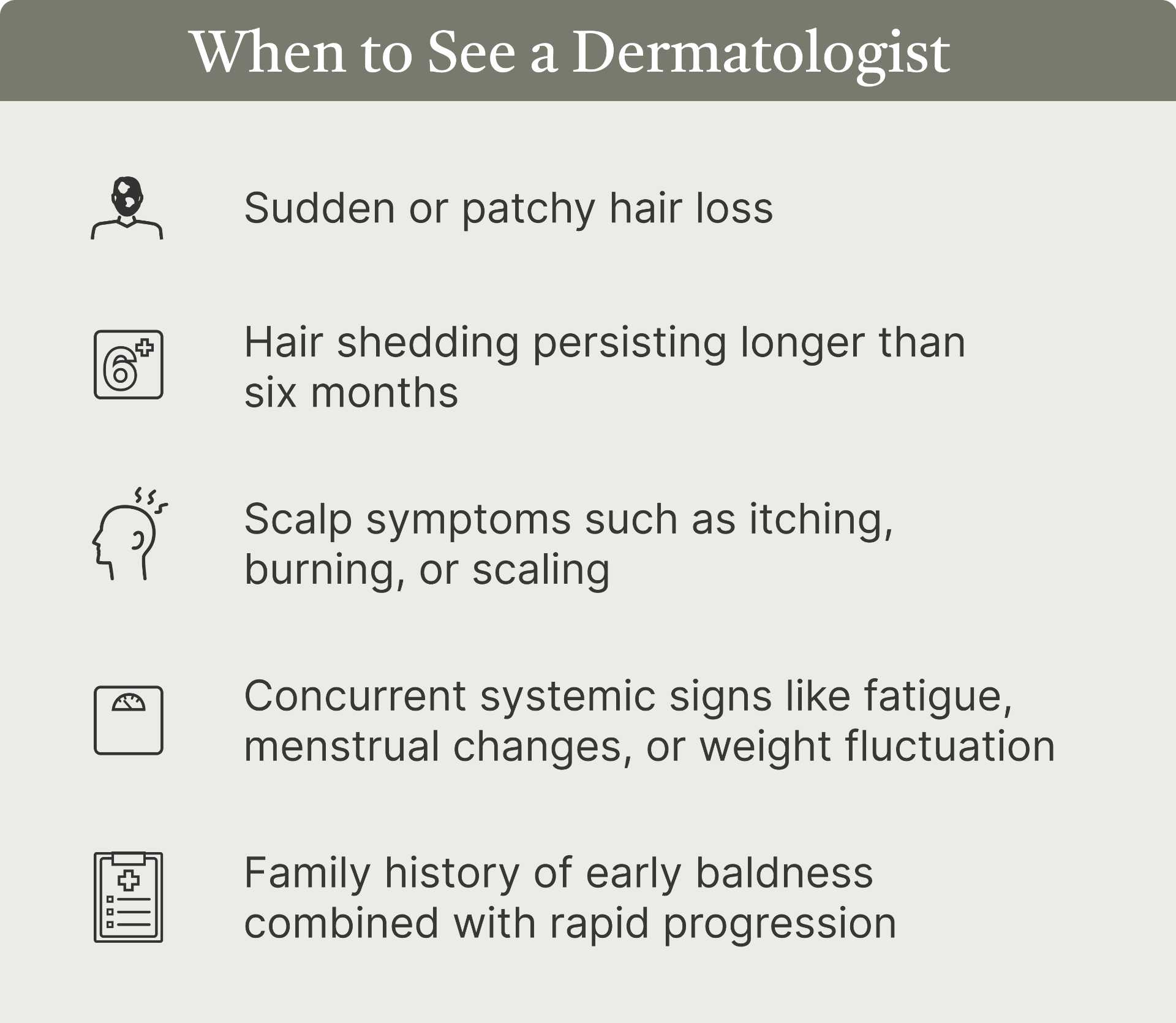
A board‑certified dermatologist can distinguish between temporary shedding and pattern alopecia, order appropriate lab work, and tailor prescription‑strength options such as minoxidil or dutasteride to your specific presentation.
Treatment Toolbox at a Glance
Not all hair loss treatments work the same way, and not every option fits every person’s needs. The right approach depends on the cause of your thinning, how advanced it is, and your ability to stick with a routine. Some treatments work locally at the scalp, while others act systemically to correct internal imbalances or block hormone pathways. The table below outlines three main categories of treatment — topical medications, oral medications, and procedures — along with guidance on who they’re best suited for and what to expect in terms of results.
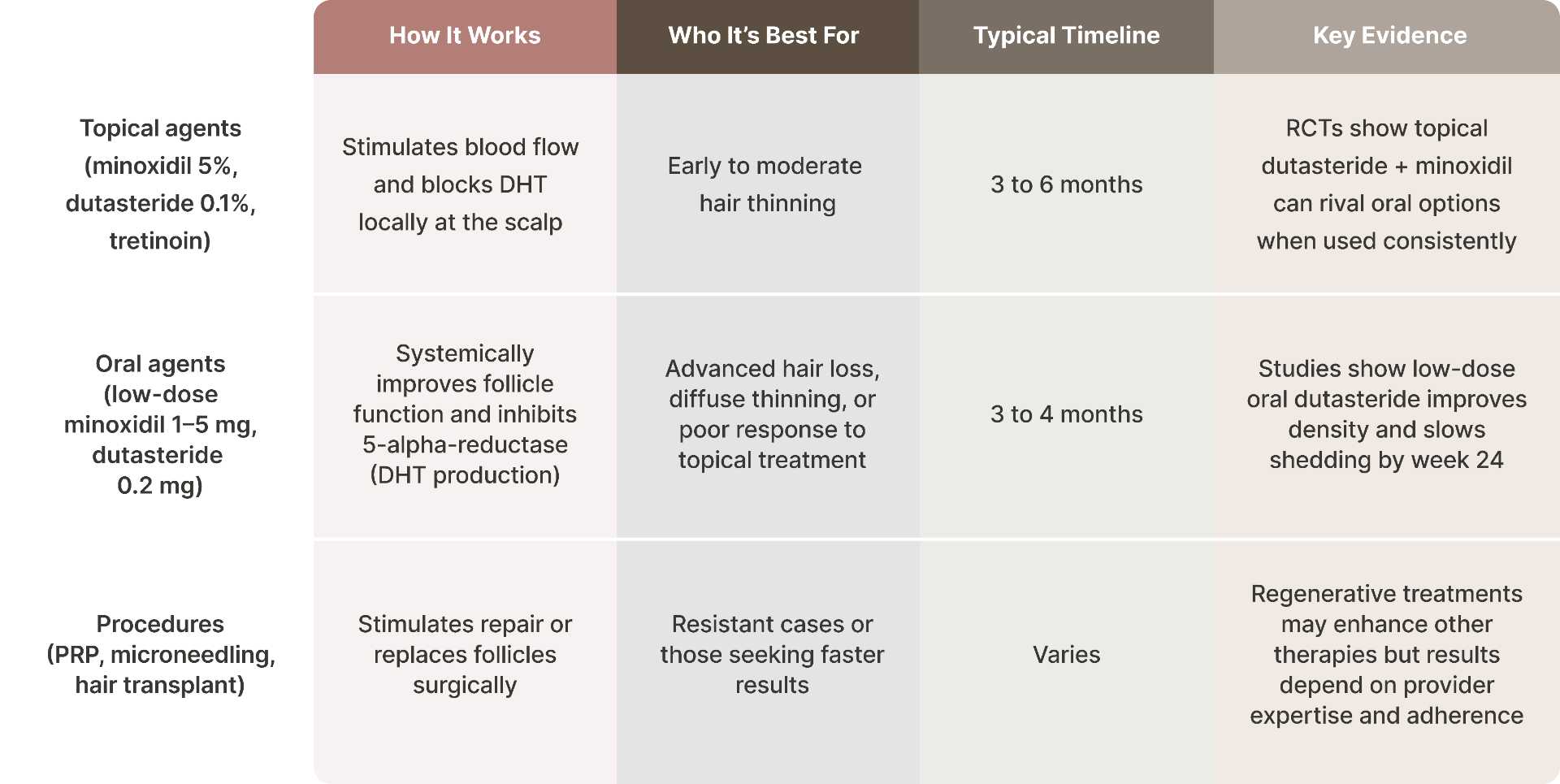
Each treatment category plays a distinct role in a comprehensive regrowth plan. Many patients combine topical and oral options for better results, especially when prescribed through a tailored protocol like Musely’s. Procedures can be added later if needed, but they are typically considered after pharmacologic therapy has plateaued.
Spotlight on Star Ingredients
Not all active ingredients are created equal when it comes to hair regrowth. While drugstore shelves are full of over-the-counter options, clinically proven treatments for thinning hair rely on a smaller set of high-impact ingredients backed by years of research. The most impactful among them are minoxidil and dutasteride, both of which can be used in either topical or oral form. Understanding how they work, how they differ, and what results they can deliver is essential for choosing the right treatment strategy.
Minoxidil — Topical vs Oral
Minoxidil was originally developed as a blood pressure medication, but researchers quickly noticed that patients grew more hair while taking it. Today, it is a first-line treatment for both male- and female-pattern hair loss and is available in topical and oral forms.
How it works:
Minoxidil increases blood flow to hair follicles and extends the growth (anagen) phase of the hair cycle. The result is thicker, longer strands over time. While the exact mechanism is still under study, its vasodilatory effect is key to stimulating dormant follicles.
Topical vs Oral:
Topical minoxidil (typically 5%) is widely used and generally well-tolerated, though some users report irritation, flaking, or greasy buildup. Oral minoxidil (1–5 mg daily) is increasingly prescribed at low doses for patients who cannot tolerate topical application or who need more systemic support. Clinical data show that oral minoxidil at 5 mg delivers results comparable to 5% topical foam in men, with a favorable safety profile when monitored properly (AAFP, 2025).
Side effects to consider:
Topical: Itching, dryness, temporary shedding
Oral: Mild fluid retention, dizziness, increased facial/body hair
Dutasteride — Second-Generation 5-Alpha-Reductase Inhibitor
Dutasteride is a powerful medication originally approved for treating enlarged prostate, but it has gained popularity in dermatology for its role in blocking hair loss at the hormonal level.
How it works:
Dutasteride inhibits both type I and type II forms of the enzyme 5-alpha-reductase, which converts testosterone into dihydrotestosterone (DHT). DHT is a major driver of follicle miniaturization in androgenetic alopecia. By reducing DHT levels, dutasteride helps restore thicker, healthier hair growth.
Potency and formulation:
Compared to finasteride, dutasteride is more potent and longer-acting. It can be taken orally (typically 0.2 mg per day) or applied topically in concentrations around 0.1%. Studies show that topical dutasteride can significantly improve hair density while reducing the risk of systemic side effects.
Emerging research:
Recent emulsion-based studies show promise for improved absorption of topical dutasteride, allowing for scalp-specific DHT blockade with fewer hormonal changes. These formulations are being closely studied in trials such as NCT05599243.
Side effects to consider:
Oral: Decreased libido, mood changes, and potential hormonal suppression
Topical: Lower risk of systemic side effects but still under evaluation
4.3 Synergistic Add-ons
While minoxidil and dutasteride are the backbone of most regrowth plans, additional ingredients can play an important role in boosting results. These adjunct therapies target inflammation, hormonal imbalance, and absorption issues — factors that often limit the success of core treatments when used alone.
Spironolactone (for women):
This oral medication blocks androgen receptors and lowers circulating androgens, helping slow hair loss in women with hormone-sensitive thinning. It is especially useful for women with signs of elevated testosterone, such as acne or irregular cycles. While not typically used in men due to the risk of feminizing side effects, it is well-tolerated in female patients and can be layered with topical or oral minoxidil.
Ketoconazole shampoo:
Originally developed as an antifungal treatment, ketoconazole also has anti-inflammatory and mild anti-androgenic properties. When used two to three times per week, it can reduce scalp irritation and support healthier follicles. Some studies suggest it helps lower local DHT levels, making it a useful companion to other medications.
Tretinoin (topical retinoid):
Tretinoin, often prescribed for acne or anti-aging, improves skin cell turnover and can enhance the penetration of topical minoxidil or dutasteride. In combination formulas, it helps increase drug absorption at the follicular level. It may cause mild peeling or redness, especially at first, but generally improves scalp receptivity over time.
Nutritional cofactors:
Certain nutrients are essential to healthy hair growth, including biotin, vitamin D, iron, zinc, and omega-3 fatty acids. Deficiencies in any of these can reduce the effectiveness of prescription treatments. Many regimens now include supplements or bloodwork to identify and correct underlying imbalances.
Together, these add-ons allow dermatologists to fine-tune a regimen based on the patient’s individual biology and tolerance. For many users, adding just one of these supporting agents can noticeably accelerate regrowth or improve scalp comfort during treatment.
Musely’s Prescription Solutions
Musely offers tailored, prescription-strength treatment options delivered through telehealth. Each formula is created for women’s hair health and follows evidence-based protocols guided by board-certified dermatologists. Below, we review the main options and link to specific offerings.
Topical Modern: Caffeine + Exosome Formula
This advanced topical serum combines caffeine, exosomes, and latanoprost to boost nutrient delivery and stimulate follicles. Designed for minimal systemic absorption, it is ideal for women seeking a next-level topical without hormones. Formulated to reduce inflammation and encourage hair density over consistent use. More details: Musely Topical Modern (Women).
Topical Classic: Minoxidil + Dutasteride + Optional Spironolactone
Known as the “classic” therapy, this prescription blend delivers minoxidil, dutasteride, and optionally spironolactone directly to the scalp. It targets both blood flow and DHT-mediated miniaturization. This formula supports strong follicle regrowth while keeping side effects limited to the treated area. Full formula listing: Musely Topical Classic (Women).
The Hair Pill: Oral Minoxidil for Women
For women who prefer oral medication or need stronger systemic support, Musely offers low-dose oral minoxidil. The Hair Pill is a once-daily prescription intended for long-term use, with dermatology supervision ensuring safety and monitoring for side effects like mild fluid retention. Learn more: The Hair Pill (Women).
Choosing the Right Option
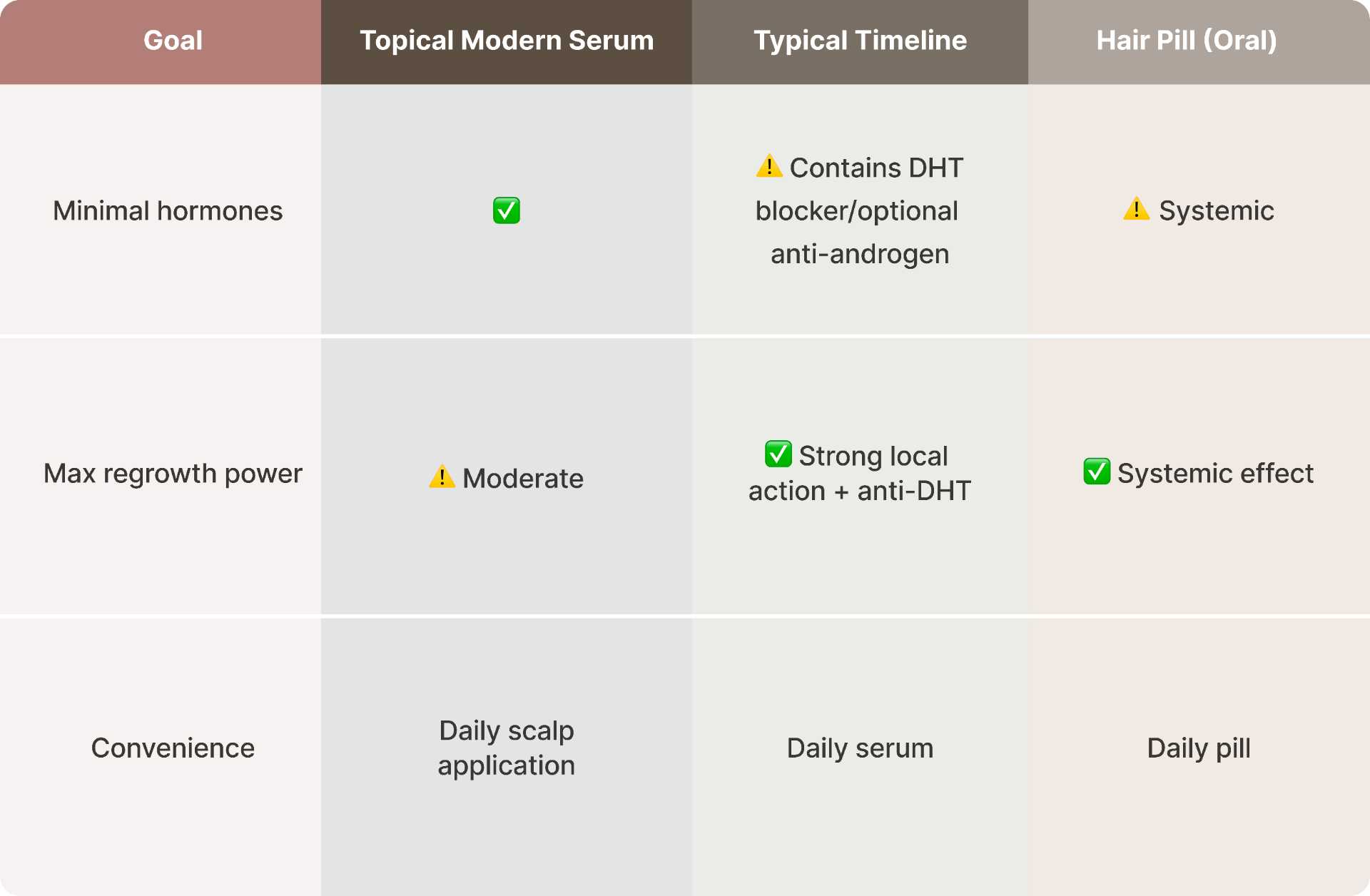
Musely’s process involves a medical consultation to evaluate hair pattern and medical history.Doctors may recommend combining options like Topical Modern plus oral minoxidil to optimize outcomes.
Comprehensive Care Routine
Effective hair regrowth isn’t just about finding the right medication. It also requires a consistent, multi-pronged routine that supports scalp health, nutrition, and long-term adherence. Musely’s treatment plans are designed to fit seamlessly into everyday life while providing the structure needed for results you can see and feel.
1. Daily Prescription Use
Whether you choose a topical formula or oral pill, daily use is non-negotiable for success. Skipping applications can disrupt the hair cycle and delay visible improvements.
Hair Topical Solution: Apply to a dry scalp in the evening, focusing on thinning areas. Let it absorb fully before bed. Do not rinse.
Hair Pill: Take once in the morning with water. Consistency in timing helps maintain stable absorption and reduces the risk of side effects.
2. Weekly Scalp Care
A healthy scalp is essential for hair growth. Musely recommends weekly scalp exfoliation to reduce buildup and improve topical absorption. Use a gentle exfoliating scrub or scalp brush to loosen debris before shampooing.
Ketoconazole shampoo: Use two to three times a week to manage inflammation, excess oil, or dandruff. This medicated shampoo also has mild anti-androgenic effects that may support other treatments.
3. Lifestyle Levers That Support Regrowth
Hair follicles are responsive to your internal health. While medications do the heavy lifting, certain habits can amplify results:
Protein-rich diet: Hair is made of keratin, a protein that requires adequate dietary intake to grow.
Stress management: Chronic stress increases cortisol, which can disrupt the hair cycle and trigger shedding. Practices like meditation, breathwork, or regular exercise are beneficial.
Resistance training: Building lean muscle improves hormonal balance and circulation, which indirectly benefits the scalp.
4. Quarterly Check-ins
Hair growth takes time, but monitoring progress keeps motivation high and ensures your treatment stays optimized. Musely’s dermatologists recommend check-ins every 90 days to evaluate regrowth and adjust the formula if needed.
Photo tracking: Take standardized progress photos every 4 to 6 weeks using the same lighting and angle.
Telehealth follow-ups: Use Musely’s online portal to message your provider, request refills, or modify your treatment plan.
By combining consistent product use with healthy habits and ongoing support, Musely users are more likely to see meaningful, lasting results.
Success Stories & Before-After Roadmap
One of the most motivating aspects of any hair regrowth journey is seeing real people achieve real results. Musely’s treatment programs have helped thousands of women regain hair density, confidence, and peace of mind. These transformations take time, but with consistency and expert support, they are absolutely achievable.
Real Results, Backed by Real People
Musely users frequently report progress in three key stages:
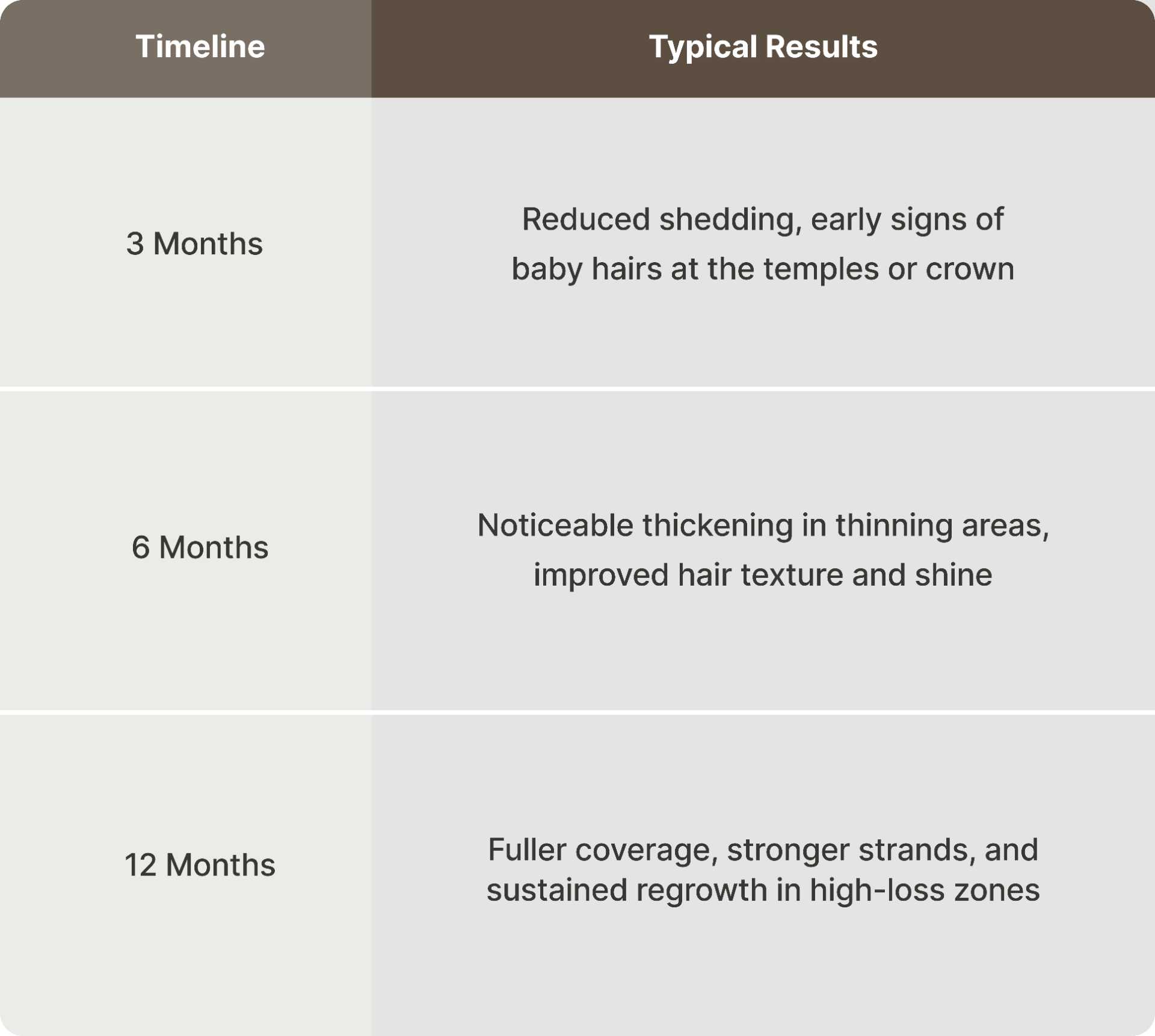
For detailed visual timelines and testimonials, see our customer reviews here.
These reviews include time-stamped photos from verified users who followed their Musely treatment plan as prescribed. Some used the Topical Classic formula, while others relied on the Hair Pill or a combination of both. All saw improvements when they committed to the routine and stayed in touch with their dermatology provider.
Featured Feedback on Musely Hair Solutions
“After years of hiding my scalp with powder, I finally feel confident again. At the 6-month mark, my part was visibly narrower and I wasn’t seeing as much hair in the shower drain.”
— Musely user, age 38
“The Hair Pill was a game changer. I was nervous about oral meds, but after a telehealth visit and baseline labs, I gave it a try. By month 4, I stopped seeing bald spots in pictures.”
— Musely user, age 45
“I started with the Topical Classic and added ketoconazole shampoo after my dermatologist recommended it. My scalp feels healthier and I finally have volume again.”
— Musely user, age 50
Why Photo Tracking Matters
Hair grows in cycles, and early regrowth can be subtle. Without photos, it’s easy to overlook progress and feel discouraged. Musely encourages users to take monthly photos from three standard angles: front hairline, top of scalp, and crown. This allows both the user and their provider to spot meaningful changes over time — even before others notice.
Frequently Asked Questions
How long until I see results?
Most users begin to notice decreased shedding and early signs of regrowth within 3 to 4 months of daily treatment. For visible thickening and coverage, 6 to 12 months of consistent use is typically needed. Because hair grows in cycles, patience is essential — even highly impactful treatments require time to deliver noticeable change.
Tip: Take monthly progress photos in the same lighting and angle to track subtle improvements.
Can I combine Musely treatments with procedures like PRP or microneedling?
Yes. Many dermatologists recommend combining prescription regrowth agents like minoxidil or dutasteride with procedures such as platelet-rich plasma (PRP), microneedling, or low-level laser therapy (LLLT) for enhanced results. These procedures help improve absorption and stimulate follicle activity, and they can complement your Musely regimen when supervised by a licensed provider.
Will dutasteride lower my hormone levels?
Topical dutasteride, as used in Musely’s Classic formula, is designed to target the scalp with minimal systemic absorption. This reduces the risk of hormonal side effects. In contrast, oral dutasteride is more likely to affect systemic DHT levels and may lead to side effects such as reduced libido or mood changes in some users. Musely’s providers help assess your risk and recommend appropriate formulations based on your health history and goals.
What happens if I stop treatment?
If you stop treatment completely, your hair may gradually revert to its pre-treatment state. Since medications like minoxidil and dutasteride manage an ongoing process (such as hormonal sensitivity), continued use is generally required to maintain regrowth. If you’re considering pausing treatment, it’s best to consult with your Musely provider to adjust your regimen or taper thoughtfully.
Are these treatments safe for long-term use?
Yes, when used as prescribed. Minoxidil and dutasteride have been studied extensively for long-term safety. Musely’s medical team monitors patients for side effects and can make adjustments if needed. Regular check-ins, especially when using oral medications, are part of Musely’s ongoing care model.
Can I use these treatments if I’m pregnant or breastfeeding?
No. Dutasteride and oral minoxidil are not recommended during pregnancy or breastfeeding. If you are planning to conceive or currently pregnant, inform your provider so they can adjust or pause your treatment plan.
Safety & Side Effects
Common and Temporary Effects
It’s normal to experience increased hair shedding in the first few weeks of treatment, especially with minoxidil. This phase typically resolves within 2 to 6 weeks and signals the hair cycle is resetting.
Topical side effects:
Some users may experience dryness, itching, redness, or flaking at the application site. These can often be managed by adjusting the formula or adding a moisturizing scalp serum.
Oral side effects:
Oral minoxidil may cause mild water retention, dizziness, or increased facial/body hair. Dutasteride can affect hormone levels in some people, potentially causing changes in libido or mood. These are rare at the low doses typically prescribed by Musely.
Rare or Serious Risks
Cardiovascular effects:
People with pre-existing heart conditions should consult their healthcare provider before starting oral minoxidil.
Hormonal changes (dutasteride):
Systemic absorption may slightly lower DHT levels, especially in oral form. This can impact sexual function in a small percentage of users. Musely mitigates this risk by offering topical alternatives and monitoring users carefully.
Allergic reactions:
Rare but possible. If you experience swelling, hives, or difficulty breathing after starting a new product, seek immediate medical attention.
Who Should Not Use These Treatments
• People who are pregnant, planning pregnancy, or breastfeeding
• Individuals with uncontrolled heart disease or liver dysfunction
• Anyone with a known allergy to any of the ingredients
• Patients advised by a physician to avoid hormone-influencing drugs
Monitoring Tips
• Track your blood pressure if using oral minoxidil
• Check in quarterly with your Musely provider
• Review symptoms with your care team before adjusting your treatment
Musely’s telehealth model allows for flexible, secure communication with your prescribing provider — making it easy to report symptoms and make timely adjustments.
Expert Review & Sources
This guide was developed in alignment with clinical research, peer-reviewed literature, and the protocols followed by board-certified dermatologists specializing in hair loss. Every section draws on high-quality evidence and current best practices in the treatment of androgenetic alopecia and other forms of thinning hair.
Reviewed by:
• Board-certified dermatologists with expertise in women’s hair disorders
• Musely’s medical advisory team, who oversee product formulation and patient care protocols
Key References:
• JAMA Dermatology: Topical Dutasteride Clinical Trial
• Annals of Dermatology: Low-dose Oral Dutasteride Study
• American Academy of Family Physicians: Oral vs Topical Minoxidil
• ClinicalTrials.gov - Topical Dutasteride Absorption Study
• Musely’s Hair Treatment Solutions
• Musely Product Reviews & Testimonials
Musely also conducts internal data reviews to improve formulation performance and customer outcomes. These insights, paired with the latest clinical literature, shape how treatment plans are prescribed and monitored.
Next Steps
Thinning hair can feel overwhelming, but with the right information, support, and treatment plan, regrowth is within reach. Whether you’re just beginning to notice changes or have been struggling for years, Musely offers an accessible and personalized path forward.
Start Your Online Visit
Musely’s process begins with a quick, secure telehealth consultation. You’ll answer questions about your hair history, lifestyle, and medical background. A licensed dermatologist will review your case and prescribe the treatment you’ve requested, if deemed appropriate.
Explore Musely’s Hair Solutions
Review the options and choose a treatment approach that fits your lifestyle, goals, and comfort level:
Final Thought
Hair loss doesn’t define you but choosing to treat it can empower you. With evidence-based treatments, consistent care, and expert guidance, it’s possible to restore not just your hair, but your confidence too.
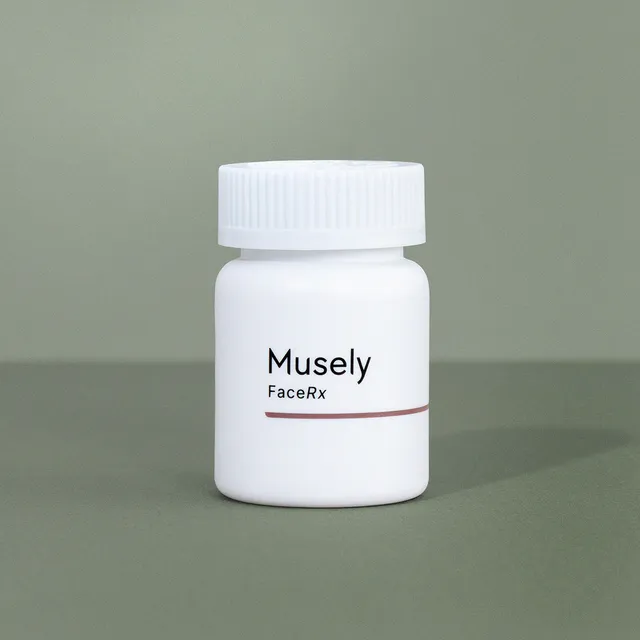
Products In This Tip
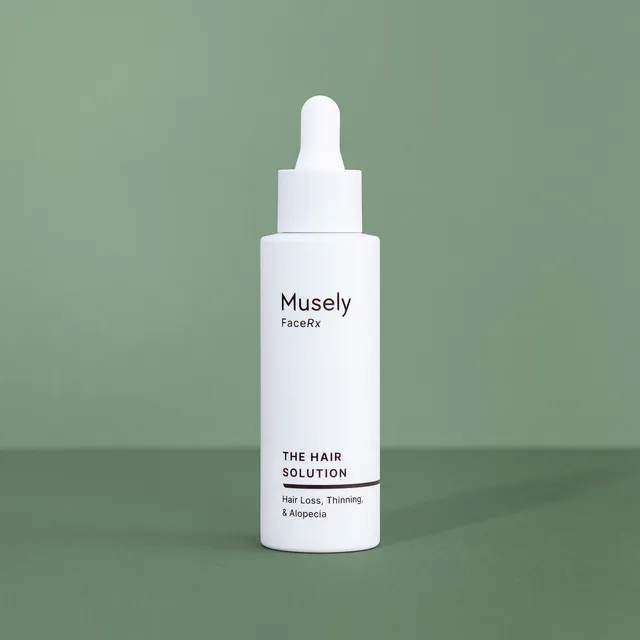
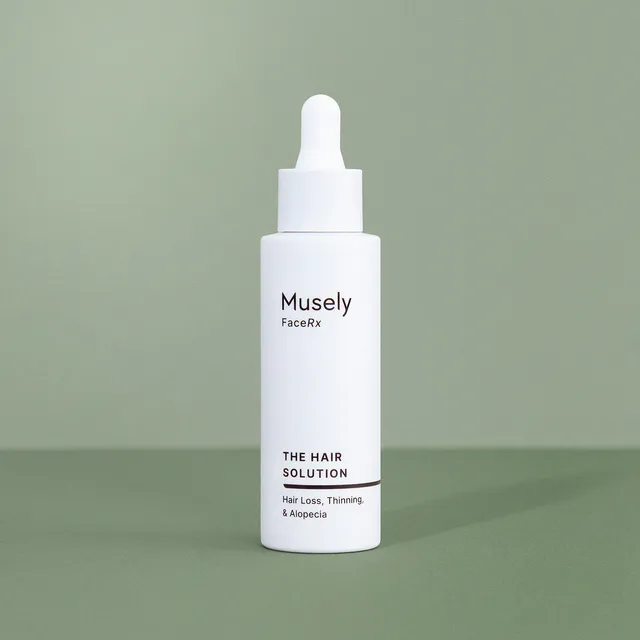
More tips like this
Hair & Scalp Health
Hair Health Guide: Causes, Treatments & Care Tips 2026

Hair Removal
How PCOS Causes Unwanted Facial Hair
Hair & Scalp
Exosomes for Hair Growth: The Breakthrough Treatment for Thicker, Fuller Hair

Hair & Scalp Health
Hidden Secrets to Stop Thinning Hair: Tips You Might Not Know About

Hair & Scalp Health
Get Your Best Hair Ever: 3 Summer Hair Care Habits to Start Today

Women's Hair Loss
How To Find Your Perfect Hair Treatment Combo (Oral vs. Topical Hair Loss Treatment)

Hair & Scalp Health
Hair Loss Treatments: When Should I Switch Formulas for Hair Regrowth?

Hair & Scalp Health