Exosomes for Hair Growth: The Breakthrough Treatment for Thicker, Fuller Hair
Hair loss and thinning are common concerns that affect millions of people worldwide. Whether caused by genetics, aging, or environmental factors, losing hair can be frustrating and difficult to reverse. But thanks to scientific advancements, a groundbreaking solution is emerging — exosomes.
One of the most groundbreaking innovations in the field, exosome technology is a Nobel Prize-winning discovery that enables cellular communication and regeneration. When applied to the scalp, exosomes repair damaged hair follicles, stimulate regrowth, and enhance hair density — offering a faster, more effective way to promote thicker, fuller hair.
Discover the science behind The Hair Topical Solution - Modern below!
What Are Exosomes?
Exosomes are naturally occurring extracellular vesicles that play a crucial role in cell communication. Think of them as tiny messengers that transfer essential growth factors, proteins, and genetic material between cells to stimulate repair and regeneration.
Originally studied for their ability to heal wounds and regenerate tissue, exosomes are now harnessed in dermatology and hair restoration to help stimulate dormant or weakened hair follicles. Unlike traditional treatments, exosomes activate the body’s natural healing process, promoting new hair growth at the cellular level.
How Do Exosomes Promote Hair Growth?
Exosomes offer a multi-faceted approach to revitalizing hair follicles and extending the hair growth cycle:
Stimulate Hair Follicles – Exosomes send regenerative signals to dormant follicles, reactivating growth.
Boost Hair Density & Thickness – They encourage stronger, healthier hair strands, reducing thinning over time.
Repair Damaged Follicles – By accelerating cell turnover and tissue repair, exosomes help restore weakened or damaged follicles.
Improve Scalp Health – Exosomes increase blood flow and nutrient delivery to the scalp, creating the perfect environment for sustained growth.
Exosome treatments are at the forefront of hair growth innovation. As research continues, the potential for even more advanced formulas and application methods is growing. With its ability to repair, regenerate, and promote sustained hair growth, exosomes may soon become the gold standard in hair restoration.
How Exosomes Support Hair Follicles
Exosomes are tiny extracellular vesicles that help with cell-to-cell communication. In hair restoration, they carry bioactive molecules such as proteins, growth factors, and signaling material that may help support the hair follicle environment. Researchers are especially interested in how these signals interact with dermal papilla cells and hair follicle stem cells, which help control the hair growth cycle.
In simple terms, exosomes are not creating brand-new hair follicles. The goal is to help weak or dormant follicles function better, stay in the active growth phase longer, and support thicker-looking hair over time. That is why exosomes are often discussed as part of regenerative medicine for hair thinning and hair regrowth.
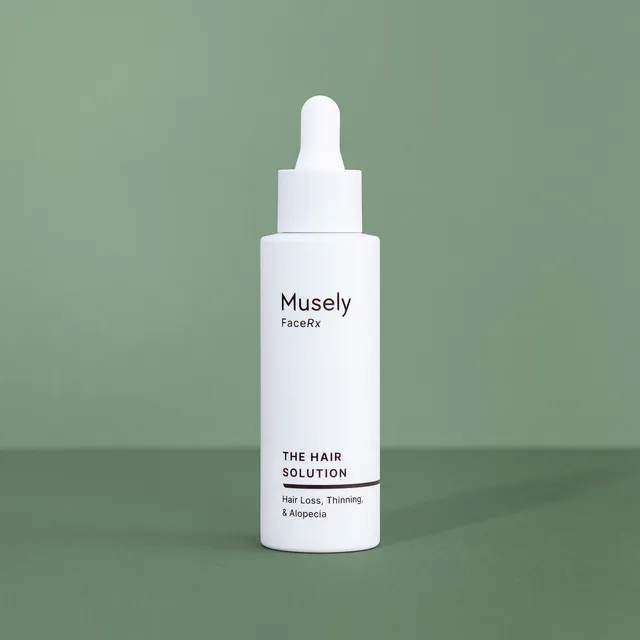
The Hair Topical Solution - Modern uses iPSC exosomes together with ingredients like latanoprost and caffeine to support hair follicles, scalp health, and hair density in a topical format.
Exosome treatments are at the forefront of hair growth innovation. As research continues, the potential for even more advanced formulas and application methods is growing. With its ability to repair, regenerate, and promote sustained hair growth, exosomes may soon become the gold standard in hair restoration.
Who Can Benefit from Exosome Hair Growth Treatments?
Exosome therapy is ideal for individuals experiencing:
Thinning hair due to aging or hormonal changes
Male or female pattern baldness (androgenetic alopecia)
Slow hair growth or weak, brittle strands
Postpartum or stress-induced hair loss
Because exosomes naturally enhance follicle health, they can benefit both men and women looking for a non-invasive, science-backed solution for hair regrowth.
If you’ve been searching for a science-backed, next-generation solution for hair loss, exosomes could be the breakthrough you’ve been waiting for. With their ability to stimulate follicles, repair damage, and promote thicker, healthier hair, this cutting-edge treatment is reshaping the way we approach hair regrowth.
Exosomes vs PRP vs Hair Transplants
Exosomes, platelet-rich plasma (PRP), and hair transplants are not the same treatment. PRP uses a patient’s own blood and concentrates platelet-derived growth factors before injecting them into the scalp. Exosome therapy uses lab-prepared extracellular vesicles that are meant to support signaling around the hair follicle. Hair transplants are surgical procedures that move existing hair from a donor area to a bald or thinning area.
That means exosomes and PRP are usually discussed as non-surgical hair restoration options for people with hair thinning or early hair loss, while hair transplants are usually considered when someone needs to physically redistribute existing hair.
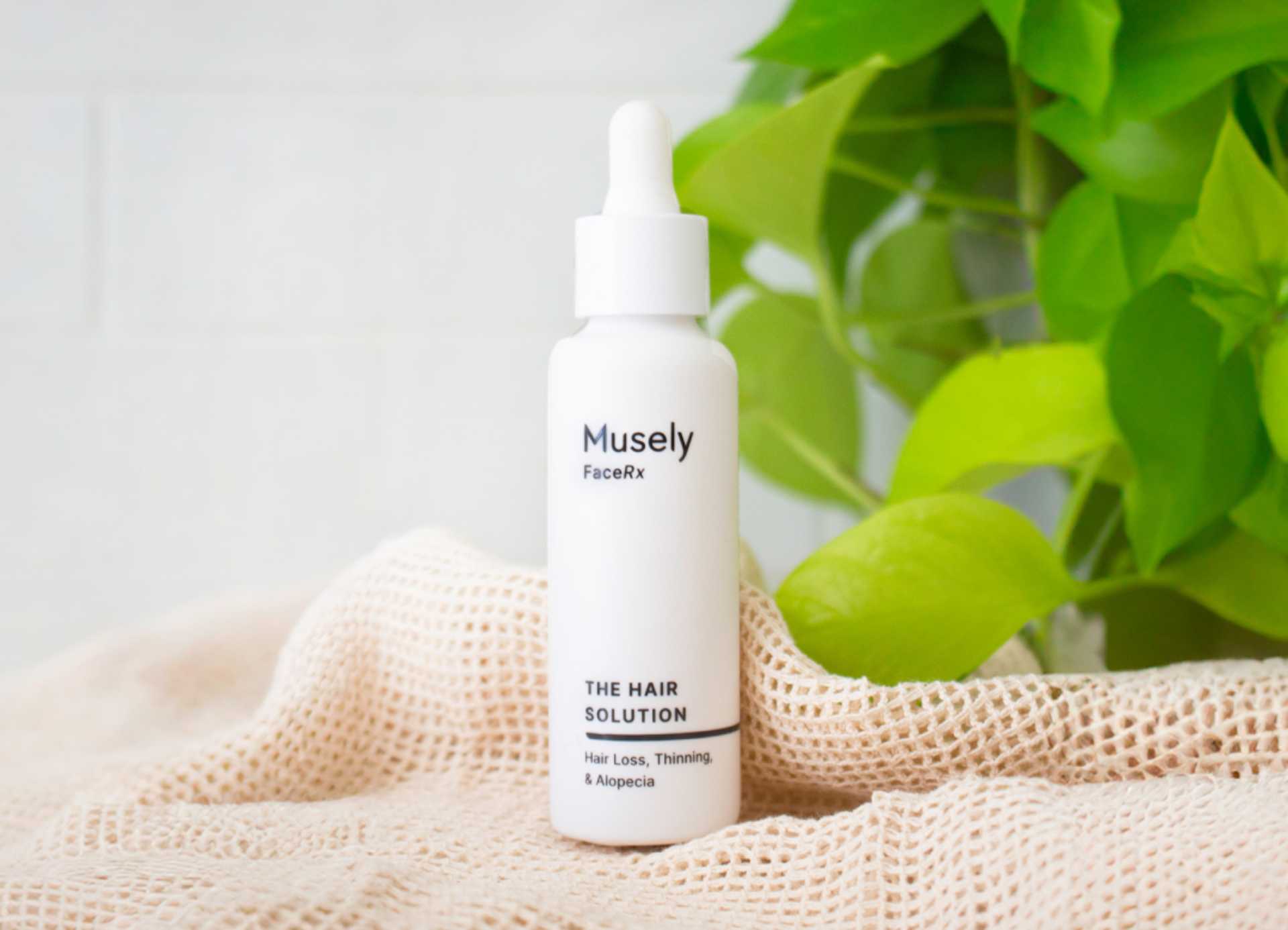
The Hair Topical Solution - Modern is Musely’s prescription treatment for hair loss powered by cutting-edge exosome technology to repair and regenerate hair follicles at the cellular level. Formulated with Latanoprost, a proven ingredient that enhances hair density and thickness, and Caffeine, which stimulates follicle activity, this breakthrough solution works to prolong the hair growth cycle and promote stronger, fuller hair.
Exosomes for Hair Loss FAQs
How much does exosome therapy cost for hair loss?
The cost of exosome therapy for hair loss depends on the format. In-office exosome treatments are often priced per session, and Northwestern Medicine says one session usually costs about $600 to $800, with some patients doing monthly sessions for several months. Musely offers a lower-cost topical option instead: The Hair Topical Solution - Modern is listed at $154 for a one-time purchase of a 3-month supply or $109 every 3 months, plus a $20 doctor visit fee per transaction.
What are the disadvantages of hair exosomes?
Hair exosomes are promising, but they also have limitations. Some people may still need other treatments such as minoxidil, finasteride, spironolactone, PRP, or even a hair transplant depending on the cause and severity of hair loss. Temporary scalp irritation, dryness, itching, tenderness, mild shedding, or procedure-related infection risk can also happen depending on how treatment is delivered.
Are exosomes stem cells?
No. Exosomes are not stem cells. They are tiny vesicles that can be derived from stem cells and carry signaling molecules that help with cell-to-cell communication. That distinction matters because many people search for “stem cell hair treatment” when they are really asking about stem-cell-derived exosomes for hair regrowth.
Who may be a good candidate for exosome hair treatment?
Exosome hair treatments are usually discussed for people with early hair thinning, androgenetic alopecia, and some forms of non-scarring hair loss. They may be less helpful when someone has advanced hair loss or scarring hair loss, where the follicle damage is more severe.
Products In This Tip
More tips like this

Hair & Scalp Health
Hair Health Guide: Causes, Treatments & Care Tips 2026

Hair Removal
How PCOS Causes Unwanted Facial Hair

Hair & Scalp Health
Hidden Secrets to Stop Thinning Hair: Tips You Might Not Know About

Hair & Scalp Health
Get Your Best Hair Ever: 3 Summer Hair Care Habits to Start Today

Women's Hair Loss
How To Find Your Perfect Hair Treatment Combo (Oral vs. Topical Hair Loss Treatment)

Hair & Scalp Health
Hair Loss Treatments: When Should I Switch Formulas for Hair Regrowth?

Hair & Scalp Health
Q&A: Unexpected Positive Side Effects of This Effective DHT Blocker (According to a Dermatologist)

Women's Hair Loss