Why Women 30+ Are Adding Estriol To Their Skincare Routine
posted in Perimenopause on
Dryness that does not improve with moisturizer. Fine lines that look more noticeable. Skin that feels thinner, less resilient, or uneven in texture. These changes can become more apparent during perimenopause and menopause.
Estrogen receptors are present in the skin, including facial skin. As estrogen levels change, skin can become drier and may lose some of its visible elasticity and bounce. A gentle routine that supports the skin barrier can help manage these shifts. UHealth’s guide to perimenopause and menopause skin care discusses dryness, thinner-looking skin, pigmentation changes, and the role of dermatologist-guided treatments.
An estriol cream for the face is a prescription option for some people with menopause-related skin concerns. It is formulated for facial skin. It is not interchangeable with vaginal estrogen or systemic hormone therapy.
Facial estriol is generally a prescription or compounded skincare approach. It may support hydration and improve the appearance of dryness, texture, and visible firmness over time. Results and suitability vary based on the formula, skin condition, health history, and treatment plan.
This guide covers estrogen types, estriol skincare benefits, practical use, estriol cream precautions, costs, and alternatives.
Types of Estrogen Creams
“Estrogen cream” is an umbrella term. It does not describe one standard medication or skincare product.
The purpose, application site, dose, formula, and absorption profile determine how an estrogen-containing treatment should be used. A product intended for facial skin has a different role from one intended for vaginal tissue or systemic hormone treatment.
Common categories include:
Facial estriol products: Prescription or compounded formulas intended to support skin concerns such as dryness, rough texture, and a loss of elasticity.
Vaginal estrogen therapies: Treatments used for genitourinary symptoms of menopause, including vaginal dryness, irritation, painful sex, and some urinary symptoms.
Systemic HRT: Hormone replacement therapy, such as patches, pills, or gels, prescribed for broader menopausal symptoms under doctor supervision.
Do not substitute estrogen products. Do not apply a vaginal estrogen product to your face. Do not use facial estriol cream internally.
Topical estrogen for skin can be one part of a skincare plan. It does not replace indicated menopause treatment. A facial estriol cream should not be expected to treat hot flashes, sleep disruption, mood changes, or other body-wide symptoms.
Estriol Cream Versus Other Estrogen Therapies
The body produces three major endogenous estrogens:
Estrone, E1
Estradiol, E2
Estriol, E3
These hormones may appear in different treatment types. When comparing estriol vs estradiol cream, focus first on the product’s prescribed purpose and application site.
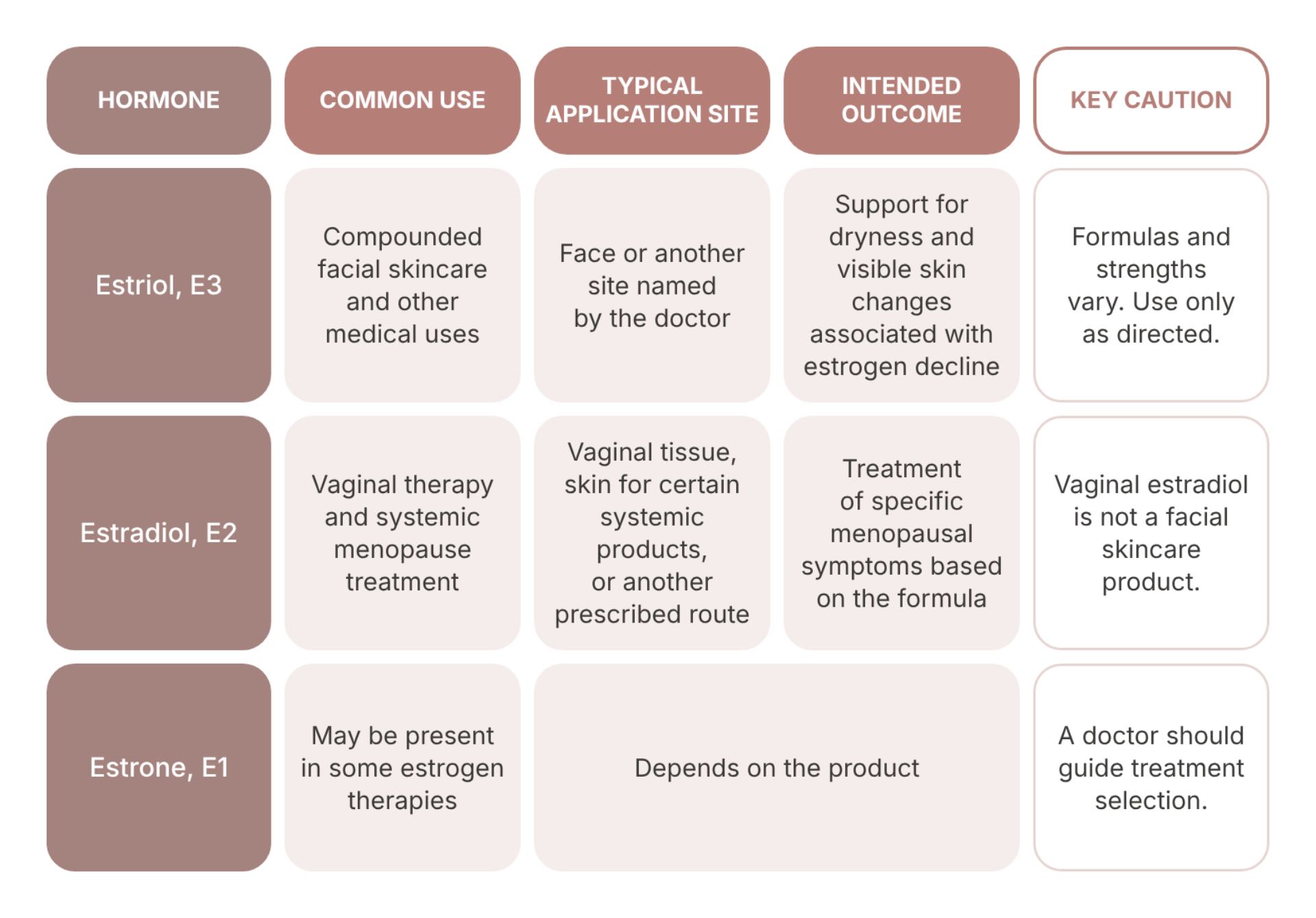
Estriol is often used in compounded facial products because of its localized skincare rationale. It remains a hormone-containing ingredient. A doctor should consider your health history, current hormone use, skin concerns, dose, and formula before recommending it.
The American Society of Plastic Surgeons discusses estrogen-based skincare as an emerging area that includes topical estriol, phytoestrogens, and peptide-based approaches. The article also emphasizes individual safety considerations.
When comparing estriol cream options, evaluate:
Doctor involvement and health-history review
Active ingredients and prescribed strength
Whether the product is compounded
Refill schedule and amount dispensed
Access to doctor follow-up
Shipping, membership, and cancellation terms
Cost per day of use
Vaginal Estradiol Cream
People often encounter vaginal estradiol products while researching estriol face cream because both contain estrogen. Their indications differ drastically.
Vaginal estrogen is a treatment category for genitourinary syndrome of menopause. A doctor may prescribe it for symptoms such as:
Vaginal dryness
Itching or irritation
Painful sex
Certain urinary symptoms
Vaginal estrogen differs from estriol face cream in its formula, route of use, intended outcome, and medical guidance. Use it only on vaginal or vulvar tissue as prescribed.
Do not use facial estriol cream internally. Do not apply a vaginal estrogen product as face cream.
If you have unexplained vaginal bleeding, a history of estrogen-sensitive cancer, or another hormone-sensitive condition, seek individualized medical guidance.
Facial Estriol Cream
An estriol face cream is a prescription topical formula used for facial skin changes that may become more noticeable during perimenopause and menopause.
People may consider estriol cream for face concerns such as:
Persistent dryness or tightness
A crepey or less-plump appearance
Rough or uneven texture
Reduced visible elasticity
Fine lines that look more apparent with dehydration
Topical estriol may support hydration to help skin feel less dry. Research on topical estrogen suggests possible improvements in hydration, elasticity, texture, and some visible signs of photoaging.
The full formula matters. Supporting ingredients can affect hydration, tolerability, and how well a product fits into your existing routine. Hyaluronic acid may support hydration. Vitamin C may be included in routines focused on uneven-looking tone. Soothing ingredients may improve comfort for some people with dry or reactive skin.
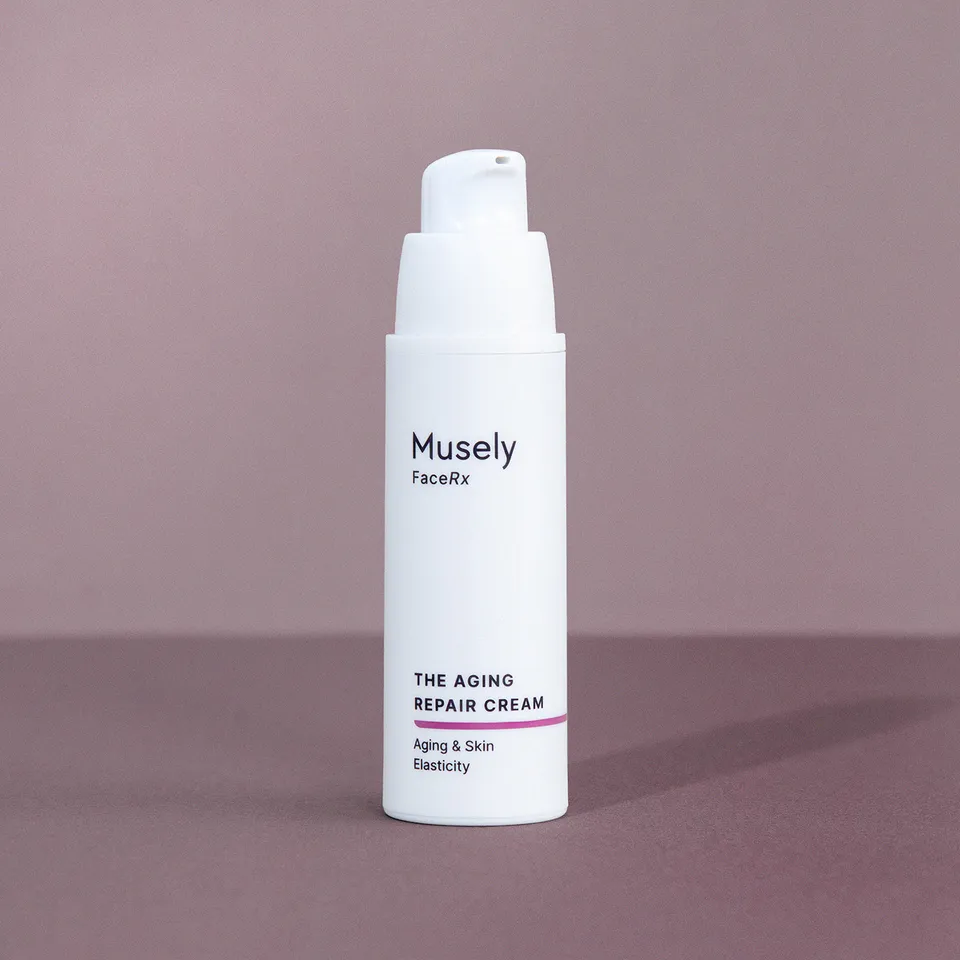
For a prescription treatment formulated for skin aging concerns, explore The Aging Repair Cream. Musely provides prescription skincare, without the waiting room, through online consultations with Board-Certified dermatologists. The treatment is formulated by U.S. dermatologists and compounded fresh for you.
Musely’s ingredient guide for The Aging Repair Cream provides treatment-specific information. Follow your prescription label and current application instructions.
What Results Can You Expect From Estriol Face Cream?
Hydration may be among the earlier changes some people notice. Visible changes in texture, fine lines, or firmness often require a longer evaluation period.
Potential estriol skincare benefits may include:
Softer-feeling skin
Improved hydration
A plumper-looking complexion
Less noticeable dryness-related fine lines
Greater comfort in skin that feels dry or tight
Not every skin concern is primarily hormonal. Photoaging, acne, rosacea, eczema, melasma, and contact dermatitis may need their own diagnosis and treatment plan.
Take photos in similar lighting at regular intervals. Notes about dryness, stinging, breakouts, pigmentation changes, and makeup application can help you track changes more objectively. Musely explains what to expect before and after using estriol face cream.
How to Use Estriol Cream on the Face
A simple menopause skincare routine may include:
Cleanse with a mild cleanser.
Apply prescribed estriol cream to clean, dry, intact skin in the directed amount.
Apply moisturizer if needed.
Use broad-spectrum sunscreen every morning.
Avoid the eyelids, lips, mucous membranes, and broken or irritated skin unless your doctor specifically instructs you otherwise.
If you use retinoids, exfoliating acids, benzoyl peroxide, or other potentially irritating actives, introduce products carefully. Your doctor may recommend a different frequency based on your formula, skin tolerance, and treatment goals. Do not increase use to speed results.
Wash your hands after application. Avoid transferring the product to other people until it has absorbed, following the product-specific directions.
Cost Considerations
Estriol face cream pricing can vary based on the compounding pharmacy, prescription strength, ingredient combination, consultation fees, refill interval, shipping, and insurance status.
Facial estriol may not be covered by insurance because it is often compounded and prescribed off-label for skin concerns. Coverage depends on the plan. Contact your insurer directly for details before starting treatment. Or, choose Musely, which requires no insurance and is HSA/FSA eligible.
Compare the full cost of a treatment plan, including:
Upfront consultation costs
Medication cost per month and per refill
Required subscription or membership fees
Shipping costs
Cancellation terms
Whether doctor follow-up is included
Whether HSA or FSA payment may be available
The Aging Repair Cream is $37 per month for a two-month supply.
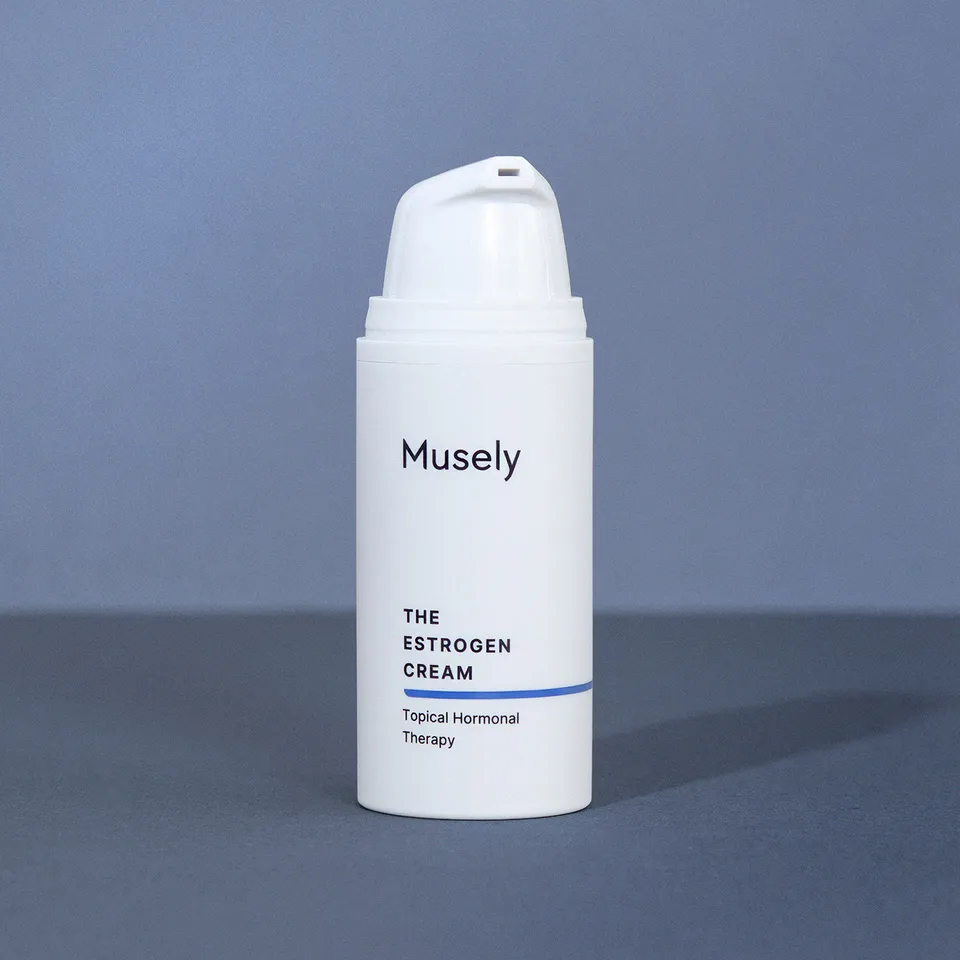
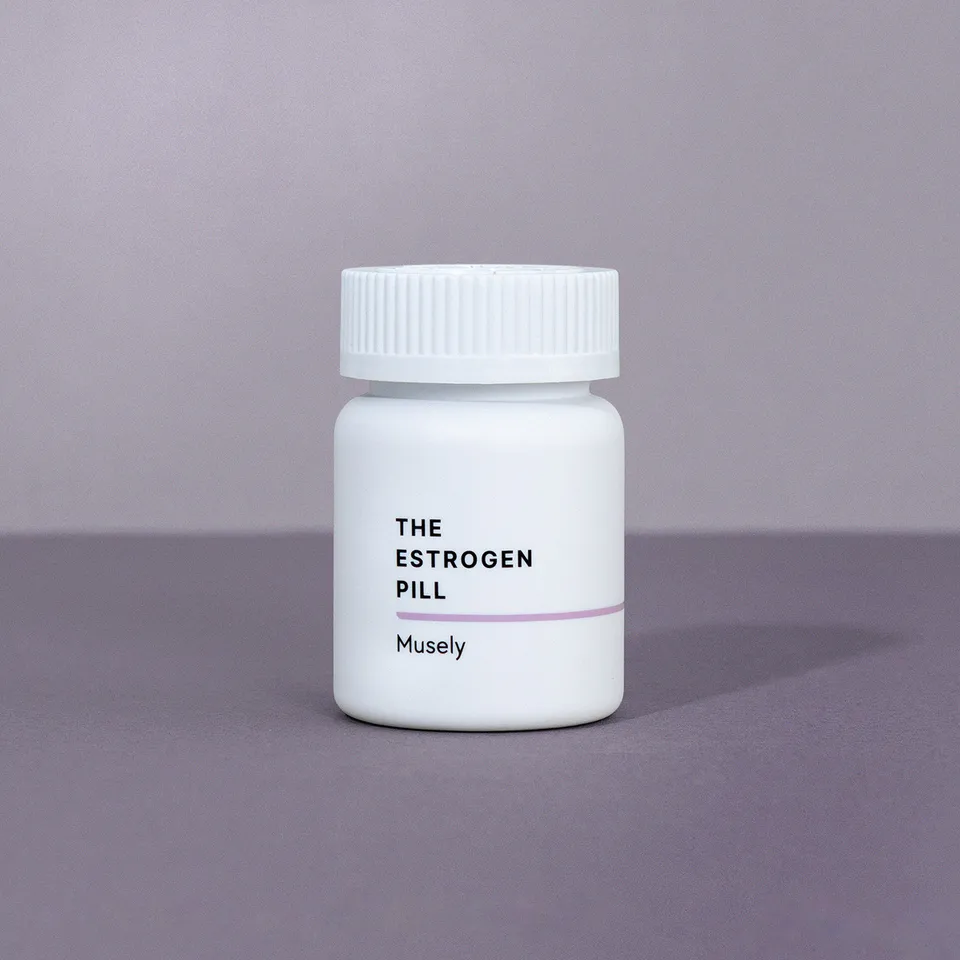
Facial estriol also differs from estrogen medications intended for broader menopausal symptoms. Musely explains the differences among The Aging Repair Cream, The Estrogen Cream, The Estrogen Patch, and The Estrogen Pill.
Future Research and Developments in Estriol Cream
Estrogen-focused skincare remains an area of ongoing interest. Researchers and formulators continue to examine:
Topical estriol
Phytoestrogens, which are plant-derived compounds with estrogen-like activity
Selective estrogen receptor modulators
Peptide-based approaches that may influence skin signaling
Phytoestrogens and other botanical ingredients are different from prescription estriol. They may have different mechanisms, concentrations, and levels of evidence. A product described as “estrogen-mimicking” should not be assumed to have the same effects as prescription estriol cream.
Non-hormonal ingredients can also support menopause skincare. Depending on your skin and goals, a routine may include:
Broad-spectrum sunscreen
Hyaluronic acid
Niacinamide
Retinoids
Peptides
Vitamin C
For more information about prescription estriol as a doctor-guided option, read Musely’s overview of prescription estriol cream for menopausal skin changes.
Side Effects and Precautions
Topical facial estriol may have lower systemic exposure than systemic hormone therapy.
Potential local side effects include:
Redness
Itching
Stinging or irritation
Breakouts or changes in skin tolerance
Darkening of existing pigmentation or melasma
Speak with a doctor before using estriol cream if you:
Are pregnant, trying to conceive, or breastfeeding
Have a history of estrogen-sensitive cancer or another hormone-sensitive condition
Have unexplained vaginal bleeding
Use hormone therapy
Have a significant liver or clotting history
People with cancer histories need individualized guidance. A general article cannot determine whether estriol is appropriate for you. Your oncology and prescribing teams can assess your medical history and current treatment plan.
Stop using the product and seek medical advice for a severe skin reaction or concerning symptoms. Patch testing or a gradual introduction may be appropriate when it aligns with doctor guidance and product directions.
Musely’s guide to estriol face cream for perimenopause skin explains why health history and prescription guidance matter before treatment.
The Takeaways
Estriol face cream is a skin-focused topical option that may help address menopause-related dryness and visible loss of firmness.
Estriol cream for the face differs from vaginal estrogen and systemic HRT.
A qualified doctor should review suitability, especially for people with relevant medical history or current hormone use.
Avoid self-treating with an estrogen product intended for another body area or medical purpose.
Frequently Asked Questions
What is estriol cream used for?
Estriol cream may be prescribed or compounded for specific uses. Facial formulations are generally used to address estrogen-deficient skin changes such as dryness, reduced elasticity, and a crepey or less-plump appearance. Apply estriol face cream only to the areas named by your doctor.
What is the difference between estriol and estradiol cream?
Estriol and estradiol are different forms of estrogen. Estriol face creams are often formulated for facial skin concerns, while estradiol products are commonly used in vaginal therapies and may also be used in other treatment forms. Do not swap estriol and estradiol products without specific clinical guidance.
Does estriol have side effects?
Estriol may cause localized side effects such as irritation, redness, breakouts, or pigment changes. Reactions can also come from the cream base or other ingredients in the formula.
Side effects and risks depend on the formula and your health history. Contact your doctor if you develop a reaction or have concerns.
Can estriol cream be used long term?
Long-term estriol cream use should be individualized and reviewed periodically with your doctor. Do not assume that any hormone-containing cream is appropriate for indefinite use. Your doctor can assess whether continued treatment fits your skin goals, response, and medical history.
Can estriol cream replace my menopause skincare routine?
No. Estriol may be one doctor-guided component of a routine. The best menopause skincare routine still prioritizes gentle cleansing, barrier-supporting moisturizer, sun protection, and appropriately selected active ingredients.
Rosacea, acne, melasma, eczema, and persistent irritation may need separate diagnosis and treatment.
Is estriol face cream the same as HRT?
No. A facial estriol cream is not equivalent to systemic hormone replacement therapy. It should not be expected to treat hot flashes, sleep problems, mood symptoms, or other menopausal symptoms.
Products In This Tip


$37/mo
$47/mo

$37/mo