What Is Cellular Aging? The Processes Behind Energy, Metabolism, and Healthy Aging
Cellular aging describes the gradual, interconnected changes that can affect how cells make energy, repair damage, recycle worn-out components, and communicate with one another over time. It is not a single disease, a diagnosis, or one lab result. Researchers use several frameworks to study these changes, including the Hallmarks of Aging framework, but no current treatment has been shown to reverse human aging.
This article explains the biology in plain language, separates established findings from early research, and outlines questions to consider with a qualified clinician. It does not provide personal medical advice.
Key takeaways
Cellular aging is an umbrella term for several age-related changes in cell function and maintenance.
Cellular senescence and mitochondrial dysfunction are important parts of the picture, but neither one explains aging on its own.
A change in a biomarker or biological-age estimate is not, by itself, proof that a treatment changes healthspan or lifespan.
What does cellular aging mean?
Cells are constantly responding to stress, repairing molecular damage, producing energy, making proteins, and clearing material they no longer need. With age, damage can accumulate and some of these maintenance systems can become less efficient. That broad pattern is often called cellular aging.
The term is useful because it directs attention below visible changes such as wrinkles or gray hair. But it should not be used to explain every symptom. Feeling tired, seeing a skin change, or receiving a single lab result does not diagnose a person with “cellular aging.”
If you are comparing interventions, it is useful to start with what longevity pills can and cannot do: mechanisms can be interesting, but they do not automatically translate into demonstrated outcomes for people.
Cellular aging vs. cellular senescence vs. biological age
Cellular aging is the broad umbrella. It includes many age-related changes in how cells maintain their structure and function.
Cellular senescence is more specific. A senescent cell has stopped dividing in response to stress or damage. This response can help prevent damaged cells from multiplying, but persistent senescent-cell signaling is also an active area of aging research. See the cellular senescence review for a detailed explanation.
Biological age is an estimate based on selected biomarkers. It may differ from chronological age, but it is not a diagnosis and should not be treated as proof that an intervention has changed a person’s future health or lifespan. See the aging-biomarker review for important limitations.
What causes cells to age?
There is no single cause of cellular aging. Researchers describe a network of processes that influence one another. The Hallmarks of Aging framework is a useful map because it groups recurring changes in DNA maintenance, metabolism, protein quality control, cell communication, and tissue renewal.
DNA damage and genomic instability
DNA can be damaged by normal metabolism, replication errors, and environmental exposures. Cells have repair systems, but damage and repair responses can become more difficult to manage over time. Telomere attrition is one related process; it is not a personal countdown clock or a stand-alone measure of aging.
Mitochondrial aging and cellular energy
Mitochondria help cells produce energy and participate in signaling, stress responses, and programmed cell death. Age-related changes in mitochondrial function are associated with aging biology, but a person’s day-to-day energy level alone cannot establish that they have mitochondrial dysfunction. The mitochondrial dysfunction review explains the research context.
Protein quality control and autophagy
Proteostasis refers to the systems that help make, fold, maintain, and remove proteins. Autophagy is one of the cell’s recycling processes. When these systems are impaired, damaged proteins and cellular components may persist longer than they should. These mechanisms are part of aging biology, but they are not a consumer diagnosis.
Cellular senescence, inflammation, and communication
Cellular senescence can be protective in the short term because it can stop damaged cells from dividing. Researchers are studying what happens when senescent cells persist and release signals that affect neighboring cells and tissues. The biology is complex, context dependent, and still under active investigation. See the senescence mechanisms review for current detail.
How do the hallmarks of aging fit together?
The primary hallmarks include genomic instability, telomere attrition, epigenetic alterations, and loss of proteostasis.
The antagonistic hallmarks include disabled macroautophagy, deregulated nutrient sensing, mitochondrial dysfunction, and cellular senescence.
The integrative hallmarks include stem-cell exhaustion, altered intercellular communication, chronic inflammation, and dysbiosis.
The framework matters because the processes overlap. A study of one pathway may improve our understanding of biology without proving that a product changes whole-body aging.
Can cellular aging be measured?
Researchers use biomarkers, epigenetic clocks, and functional measures to study aging. These tools can be useful in research, especially when they are interpreted alongside a study’s population, methods, and clinical outcomes. But a consumer-facing estimate cannot diagnose cellular aging and should not be treated as a verdict on someone’s health.
That distinction is important when evaluating longevity claims. A biomarker change can be a reason for more research; it is not the same thing as proven improvement in how long or how well people live. The aging-biomarker review provides context on this limitation.
Can cellular aging be slowed or reversed?
The evidence is strongest for the idea that everyday health behaviors such as physical activity, adequate sleep, nutrition, sun protection, and management of health conditions support health. Research is also exploring metabolic, senolytic, NAD-related, and other pathways. Promising mechanisms, early human findings, and biomarker changes should not be presented as proof of age reversal or longer human life.
Medication and supplement choices can involve side effects, interactions, and individual medical considerations. A clinician can help put research claims in context for a person’s health history.
How Musely approaches healthy aging
Understanding the biology can help people ask better questions about healthy-aging options. It does not mean that one product can address every cellular process. Musely’s The Age Well Pill is a doctor-guided prescription treatment designed to support energy, cellular renewal, and healthy aging.
Its formula includes metformin, fisetin, CoQ10, Ca-AKG, and nicotinamide riboside. The ingredients were selected for their relevance to metabolic, mitochondrial, and cellular pathways associated with healthy aging. Research into these pathways continues to evolve, and the formula has not been shown to reverse aging or extend human lifespan. A Musely doctor reviews medical history to determine whether a treatment is appropriate.
Explore a doctor-guided healthy-aging option with The Age Well Pill.
Frequently asked questions
What is cellular aging?
Cellular aging is a broad term for age-related changes in how cells produce energy, repair damage, manage proteins, communicate, and renew tissues. It is not one disease, one lab value, or one condition that can be diagnosed from common symptoms.
Is cellular aging the same as cellular senescence?
No. Cellular senescence is one process that can contribute to age-related changes. It describes cells that have stopped dividing in response to stress or damage. Cellular aging includes many other processes as well.
How do mitochondria affect cellular aging?
Mitochondria help cells produce energy and take part in several signaling processes. Changes in mitochondrial function are associated with aging biology, but low energy by itself is not evidence of a mitochondrial diagnosis or a measure of cellular age.
Can a biological-age test diagnose cellular aging?
No. Biological-age tools estimate selected biomarkers. They can be useful for research, but they do not diagnose cellular aging or prove that a treatment has changed a person’s healthspan or lifespan.
Can supplements or medication reverse cellular aging?
No current supplement or medication has been shown to reverse cellular aging or reliably extend lifespan in healthy humans. Some pathways and compounds are under study, but research findings should be interpreted by their evidence type and the people studied.
What are practical ways to support healthy aging?
Start with evidence-based health basics, including physical activity, sleep, nutritious eating patterns, sun protection, and management of health conditions. Talk with a qualified clinician before starting or changing medications or supplements.
Next steps
Cellular aging is a useful way to understand the biology behind healthy aging, but it is not a promise that one intervention can turn back time. Learn what longevity pills can and cannot do, or explore The Age Well Pill with a doctor-guided evaluation.
Products In This Tip
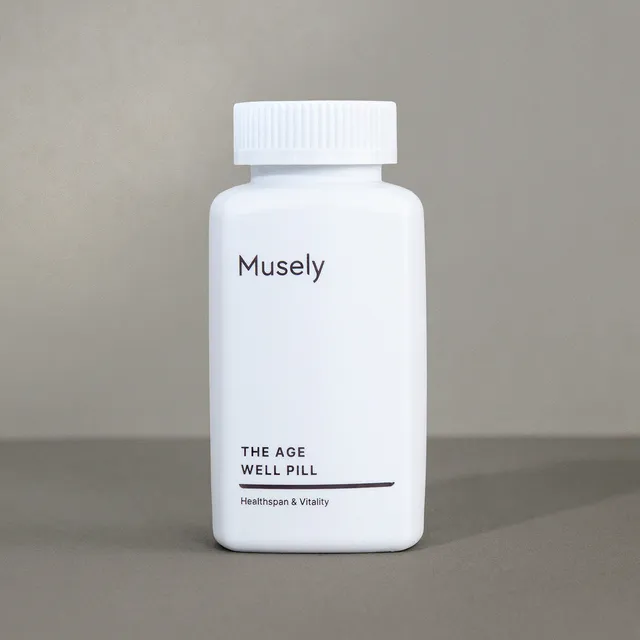
The Age Well Pill
A prescription pill with science-backed ingredients to boost energy, cell renewal, and longevity.
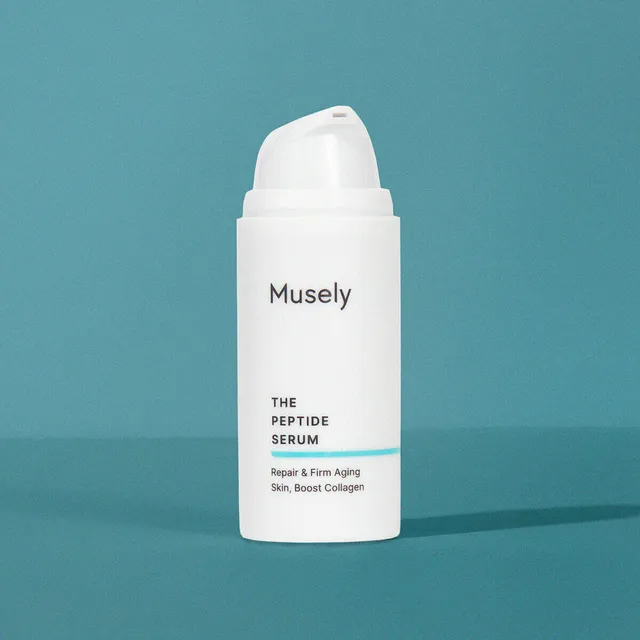
The Peptide Serum
A prescription 3% copper peptide longevity serum that rebuilds skin structure & repairs the skin barrier for firmer, smoother, stronger skin.
More tips like this
Anti-Aging
Melanie Face-Rx Testimonial

Around The Eyes
This Is The Right Time To Apply Eye Cream

Sun & UV Safety
Are These Chemicals Lurking In Your Sunscreen?

Body Care
How To Get Rid Of Dark Spots On Your Elbows And Knees

Other
The Top 5 Skincare Ingredients Dermatologists Use On Themselves
Anti-Aging
How Estriol Cream Restores Elasticity During Menopause

Other
5 Shower Mistakes That Are Ruining Your Skin
Dark Spots & Melasma