Are These Chemicals Lurking In Your Sunscreen?
posted in Sun & UV Safety on

Wasn't it great when our sunscreen knowledge was about as in depth as "apply before sun exposure and reapply every 2 hours?" In recent years we've learned that most sunscreens may be doing as much harm as good because of the chemicals they're using. Not only do chemical sunscreens absorb UV rays, potentially allowing UVA rays (the ones that cause aging) to penetrate deeper layers of skin, but the chemicals themselves may cause aging and even skin cancer. Read on to find the big 6 chemicals to avoid in your sunblock and what to look for instead.

The Main Sunscreen Chemical to AvoidOxybenzone (the most common chemical in sunscreen): the CDC found that it's lurking in 96% of the population, which is scary considering that it disrupts hormones, can reduce sperm count in men, and may cause endometriosis in women. Should be avoided especially on children or women who are pregnant/breastfeeding even though it's currently being found in nearly all American women who are nursing!
5 More Chemicals To Watch Out For TooAvobenzone OctinoxateOctisalateHomosalateOctocrylene These chemicals are linked to such issues as disruptions of the thyroid, endocrine and reproductive systems. Some, like homosalate, are even unstable and tend to break down in the sun so that they cause dangerous free radical formation in your skin.
5 More Chemicals To Watch Out For TooAvobenzone OctinoxateOctisalateHomosalateOctocrylene These chemicals are linked to such issues as disruptions of the thyroid, endocrine and reproductive systems. Some, like homosalate, are even unstable and tend to break down in the sun so that they cause dangerous free radical formation in your skin.

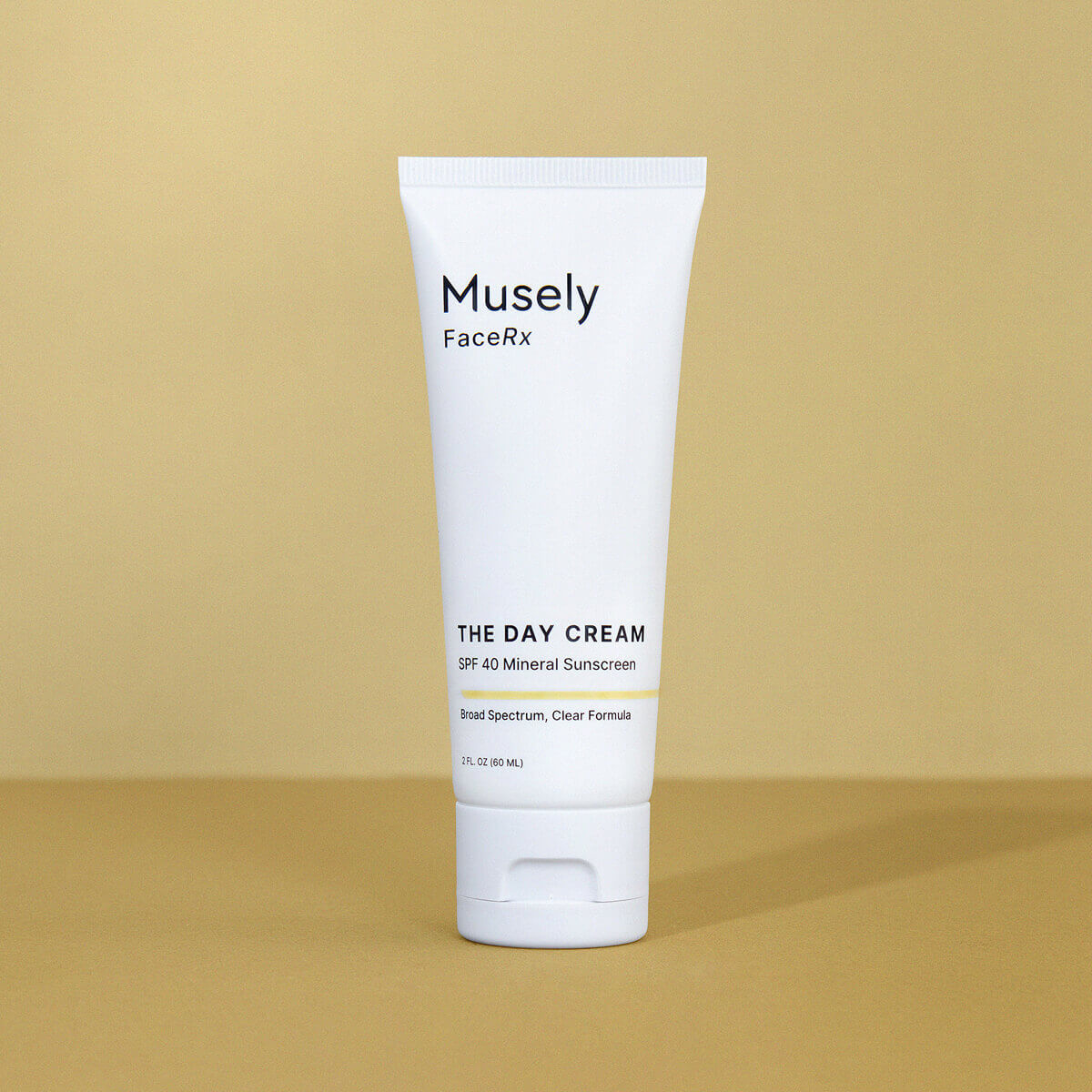
What To Look For InsteadEven though a lot of sunscreens out there are potentially harmful to you, it's still important to wear sunblock or cover-up to minimize sun exposure. If you do decide to hit the pool to catch some rays, look for a broad spectrum, natural mineral sunscreen instead of a chemical one. Mineral sunscreens - usually with the help of zinc and titanium oxides - work by creating a physical barrier between the sun and your skin, making the UV rays bounce off rather than being absorbed. Just watch out for products calling themselves 'mineral' even though they still have one or more of the chemicals you want to avoid. Find some of our picks for face & body below!
Products In This Tip
More tips like this

Sun & UV Safety
The #1 Anti-Aging Tip: SPF Always
12

Sun & UV Safety
Summer Is Approaching!
7
Sun & UV Safety
Are You Making These Sunscreen Mistakes?
141

Sun & UV Safety
Why Using SPF With Tretinoin Is So Crucial
235

Sun & UV Safety
Hats On, Skin Worries Gone!
2

Sun & UV Safety
Happy National Sunscreen Day!
3

Sun & UV Safety
Did You Know This About Your Sunscreen?
13

Sun & UV Safety
Summer Skincare Must-Do's! ☀️
4