Polypodium Leucotomos for Skin: Benefits, Sun Protection, Safety & What to Know
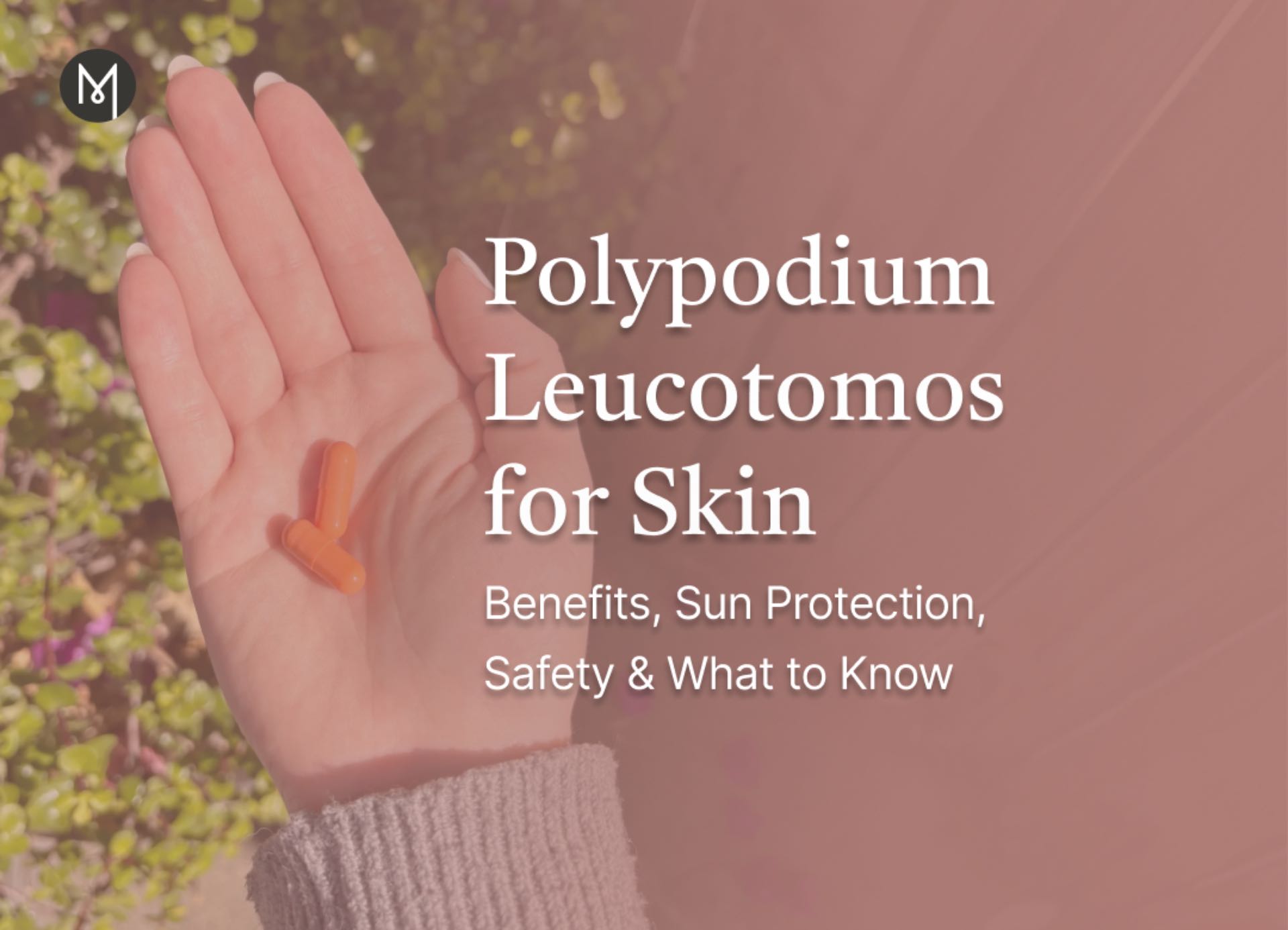
Most sun-care routines work from the outside: sunscreen, shade, hats, and protective clothing. Those steps remain essential. But ultraviolet (UV) exposure also triggers oxidative stress and inflammatory signaling inside the skin. That is why researchers have studied whether certain oral antioxidants can provide an additional layer of support.
Polypodium leucotomos is a tropical fern extract studied for adjunctive photoprotection. In practical terms, it may help the skin manage some of the biological effects of UV exposure. It is not an oral sunscreen, it does not create an SPF, and it should never replace broad-spectrum sunscreen.
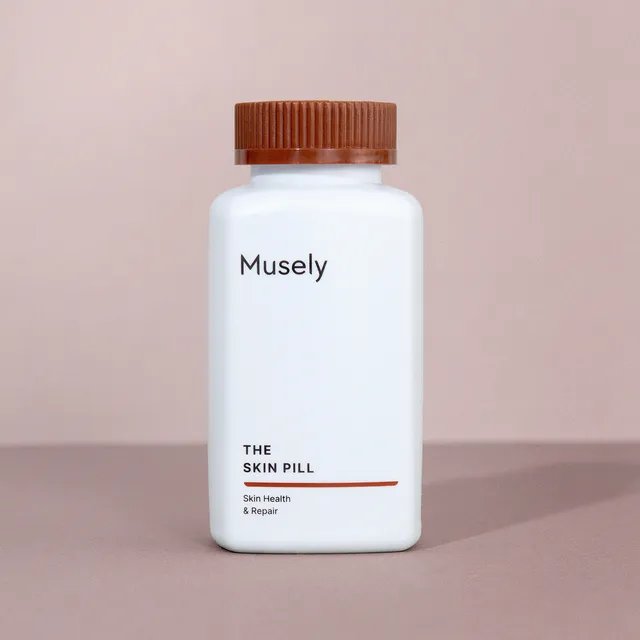
For people interested in a doctor-guided oral approach, Musely's The Skin Pill combines Polypodium leucotomos with glutathione and methylene blue. The formula is designed to support skin against long-term sun-related stress, dullness, and visible skin aging from within while remaining part of a complete skincare and sun-protection routine.
What Is Polypodium Leucotomos?
Polypodium leucotomos is the name commonly used in dermatology research for an extract derived from a tropical fern native to Central and South America. The extract is usually processed into a water-soluble form and taken orally in a capsule or tablet.
Studied extracts contain several phenolic compounds with antioxidant activity, including ferulic, caffeic, chlorogenic, vanillic, and coumaric acids. Researchers are interested in these compounds because UV exposure can create reactive oxygen species - unstable molecules that contribute to inflammation, pigment changes, collagen breakdown, and other signs of cumulative skin stress.
The important word is extract. Different products can use different plant sources, extraction methods, concentrations, and doses. Results from a study of one standardized extract should not automatically be applied to every supplement or finished formula.
How Does Polypodium Leucotomos Work in the Skin?
UVA and UVB radiation affect the skin in overlapping but different ways. UVB is strongly associated with sunburn and direct DNA damage. UVA reaches more deeply into the skin and contributes to oxidative stress, pigmentation changes, collagen degradation, and premature visible aging. Both types of radiation can activate inflammatory pathways.
Topical sunscreen works by reducing the amount of UV radiation that reaches the skin. Polypodium leucotomos works differently. It does not form a barrier or filter UV rays at the surface. Laboratory, animal, and small human studies suggest that standardized extracts may support antioxidant defenses and reduce some inflammatory and cellular markers after UV exposure.
That distinction matters. Polypodium leucotomos may influence how the skin responds to UV-related stress, but it does not stop the radiation from reaching the skin in the first place.
Potential Polypodium Leucotomos Benefits for Skin
May support the skin's response to UV exposure. Clinical researchers often measure the minimal erythema dose, or MED - the amount of UV exposure needed to cause visible redness. In small studies, oral Polypodium leucotomos increased this threshold in some participants, suggesting that their skin became less reactive to controlled UV exposure.
May reduce the intensity of UV-induced redness. A small placebo-controlled study found that more participants taking the extract showed reduced erythema intensity after controlled UV exposure. This does not mean that the ingredient prevents every sunburn, but it supports its potential role as an adjunct to standard sun protection.
Provides antioxidant support. UV exposure generates reactive oxygen species that can damage lipids, proteins, and cellular structures. The antioxidant compounds in studied Polypodium extracts may help reinforce the skin's existing defenses against that oxidative burden.
May help moderate inflammatory responses. Preclinical research suggests that the extract can influence pathways involved in UV-related inflammation. This may be relevant to people whose skin tends to look red, irritated, or blotchy after sun exposure, although it should not be presented as a treatment for a diagnosed inflammatory skin condition.
May complement a routine for long-term sun damage and uneven tone. Repeated UV exposure can worsen dark spots and uneven-looking pigmentation. By supporting the skin against ongoing UV-related stress, Polypodium leucotomos may complement sunscreen and targeted skincare. It is not a standalone dark-spot treatment and should not be expected to erase established pigmentation.
What Does the Research Show?
One randomized, double-blind, placebo-controlled study enrolled 40 healthy adults with Fitzpatrick skin types I through IV. Participants received either 240 mg of Polypodium leucotomos extract twice daily or placebo for 60 days. At Day 28, eight participants in the active group versus one in the placebo group showed an increased MED. Ten participants in the active group versus three in the placebo group showed reduced UV-induced erythema intensity. The placebo group also reported more sunburn episodes during the study period.[1]
The same study found no meaningful changes in physical exams, vital signs, or laboratory safety measures over 60 days. Four participants in the active group reported mild episodic fatigue, bloating, or headaches, although the investigators did not consider those events treatment-related. The study was small, conducted at one center, and financially supported by the manufacturer of the studied extract, so its findings should be interpreted with appropriate caution.
An earlier small human study examined skin before and after a short course of oral Polypodium leucotomos followed by controlled UV exposure. Researchers reported reductions in several microscopic markers of UV injury, including sunburn-cell formation and inflammatory changes.[2]
Together, these findings are promising but not definitive. The studies used small samples, specific standardized extracts, artificial UV exposure, and short follow-up periods. They do not prove that Polypodium leucotomos prevents skin cancer, reverses existing sun damage, or produces the same result in every user or every formula.
Is Polypodium Leucotomos an Oral Sunscreen?
No. Calling Polypodium leucotomos an oral sunscreen is misleading. Sunscreen is applied to the skin and tested for its ability to reduce UV exposure. Polypodium leucotomos has no assigned SPF and does not provide the consistent, surface-level coverage of a properly applied topical sunscreen.
The American Academy of Dermatology recommends choosing a broad-spectrum, water-resistant sunscreen with SPF 30 or higher. Sunscreen should be used with other protective habits, including shade, protective clothing, and a wide-brimmed hat. Reapply according to the product label, particularly after swimming or sweating.[3]
The most accurate way to position Polypodium leucotomos is as internal, adjunctive photoprotection: a possible complement to proven sun-protection practices, not an alternative to them.
Can Polypodium Leucotomos Reverse Long-Term Sun Damage?
Long-term sun damage is cumulative. Over time, repeated UV exposure can contribute to uneven pigmentation, rough texture, loss of elasticity, fine lines, persistent redness, and cellular changes. An oral extract cannot erase those established structural changes or undo every effect of past exposure.
A more defensible role for Polypodium leucotomos is helping support the skin against additional oxidative and inflammatory stress while a person continues daily sunscreen and any appropriate dermatologist-guided treatment. Persistent rough or scaly patches, sores that do not heal, or new or changing spots should be evaluated by a medical professional rather than treated as a cosmetic concern.
How Long Does Polypodium Leucotomos Take to Work?
There is no universal timeline. Some controlled studies measured changes in UV response after several weeks, while other small studies tested short-term use around a planned UV exposure. These research timelines should not be interpreted as a guaranteed consumer result.
Visible changes in tone, dullness, or overall skin quality also depend on sun exposure, baseline skin condition, consistency, topical skincare, age, and the rest of the formula being used. Because The Skin Pill contains three key ingredients, any visible result from the complete treatment cannot be attributed to Polypodium leucotomos alone.
Polypodium Leucotomos Side Effects and Safety
Oral Polypodium leucotomos has generally been well tolerated in the small, short-term clinical studies published to date. Mild symptoms such as bloating, headache, or fatigue have been reported, but the evidence base is not large enough to establish safety for every person, dose, duration, or product.
Talk with a healthcare provider before starting an oral skin treatment if you are pregnant or breastfeeding, take prescription medications, have an ongoing medical condition, or have a history of reactions to botanical products. Product quality also matters: look for transparent ingredient information, a defined dose, and qualified clinical oversight rather than relying on broad claims such as natural sun protection.
For The Skin Pill, a Musely doctor evaluates the patient's medical history and skin concerns before determining whether the treatment is appropriate. A prescription is not guaranteed.
Why Musely Uses Polypodium Leucotomos in The Skin Pill
The Skin Pill currently combines three key ingredients with different intended roles:
Polypodium Leucotomos 320 mg: selected to support the skin against UV-related oxidative stress and sun-exposure responses.
Glutathione 500 mg: selected to support antioxidant defense, brighter-looking skin, and a more even-looking tone.
Methylene Blue 1.5 mg: selected to support cellular energy, hydration, and pathways associated with visible skin aging.
The value proposition is the combination, not the idea that one fern extract functions as sunscreen. The formula is designed to pair internal skin support with the external protection and topical care that healthy skin still requires.
Who Might Consider an Oral Skin Treatment With Polypodium Leucotomos?
A doctor-guided oral treatment containing Polypodium leucotomos may be relevant for adults concerned about cumulative sun exposure, skin that looks dull or uneven over time, or a routine that would benefit from an additional internal layer of support. It may also appeal to people who spend significant time outdoors and already use sunscreen consistently but want to discuss complementary options with a provider.
It is not a substitute for sunscreen, a shortcut for reversing sun damage, or the right choice for everyone. The decision should account for medical history, medications, skin concerns, and realistic treatment goals.
Frequently Asked Questions
Does Polypodium leucotomos prevent sunburn?
Small controlled studies suggest that it may increase the amount of UV exposure needed to produce visible redness in some people. It cannot be relied upon to prevent sunburn, and it does not replace sunscreen, shade, or protective clothing.
Is Polypodium leucotomos good for dark spots?
UV exposure can trigger or worsen many forms of uneven pigmentation. Polypodium leucotomos may support a broader photoprotection strategy, but it is not proven as a standalone treatment for dark spots, melasma, or post-inflammatory hyperpigmentation.
Can Polypodium leucotomos repair existing sun damage?
There is no strong evidence that it reverses established sun damage. Its more plausible role is supporting the skin against ongoing UV-related oxidative and inflammatory stress as part of a complete prevention and treatment plan.
Can you take Polypodium leucotomos every day?
Daily use has been studied for up to 60 days in a small randomized trial, but that does not establish the ideal dose or duration for every person. Follow the instructions for the specific treatment and the guidance of a qualified healthcare provider.
Do you still need sunscreen while taking The Skin Pill?
Yes. The Skin Pill is designed to support the skin from within, but daily broad-spectrum sunscreen remains essential. Internal support and topical sunscreen play different roles and should work together.
Is Polypodium leucotomos safe for everyone?
No ingredient is appropriate for everyone. The published safety data are encouraging but limited. People who are pregnant, breastfeeding, taking medications, or managing a medical condition should consult a healthcare provider before using an oral product containing the extract.
The Bottom Line
Polypodium leucotomos for skin is best understood as an adjunct, not a shield. Small human studies suggest that standardized oral extracts may reduce some measures of UV-induced redness and cellular stress. The evidence is promising enough to support careful use in a broader skin-health strategy, but not strong enough to justify claims that it replaces sunscreen, prevents skin cancer, or reverses existing damage.
Musely uses Polypodium leucotomos as one component of The Skin Pill, alongside glutathione and methylene blue, to provide layered support for long-term sun-related stress, dullness, and visible skin aging. Daily SPF and realistic expectations remain essential.
Explore Musely's longevity treatments to learn how doctor-guided oral and topical options can support skin and cellular health over time.
Sources for Medical and Editorial Review
3. American Academy of Dermatology. How to select a sunscreen.
4. Centers for Disease Control and Prevention. Skin Cancer Basics.
Products In This Tip
More tips like this
Anti-Aging
Melanie Face-Rx Testimonial

Around The Eyes
This Is The Right Time To Apply Eye Cream

Sun & UV Safety
Are These Chemicals Lurking In Your Sunscreen?

Body Care
How To Get Rid Of Dark Spots On Your Elbows And Knees
Other
The Top 5 Skincare Ingredients Dermatologists Use On Themselves
Anti-Aging
How Estriol Cream Restores Elasticity During Menopause

Other
5 Shower Mistakes That Are Ruining Your Skin
Dark Spots & Melasma