Hydroquinone Explained: Treating Dark Underarms with Musely's Private Cream
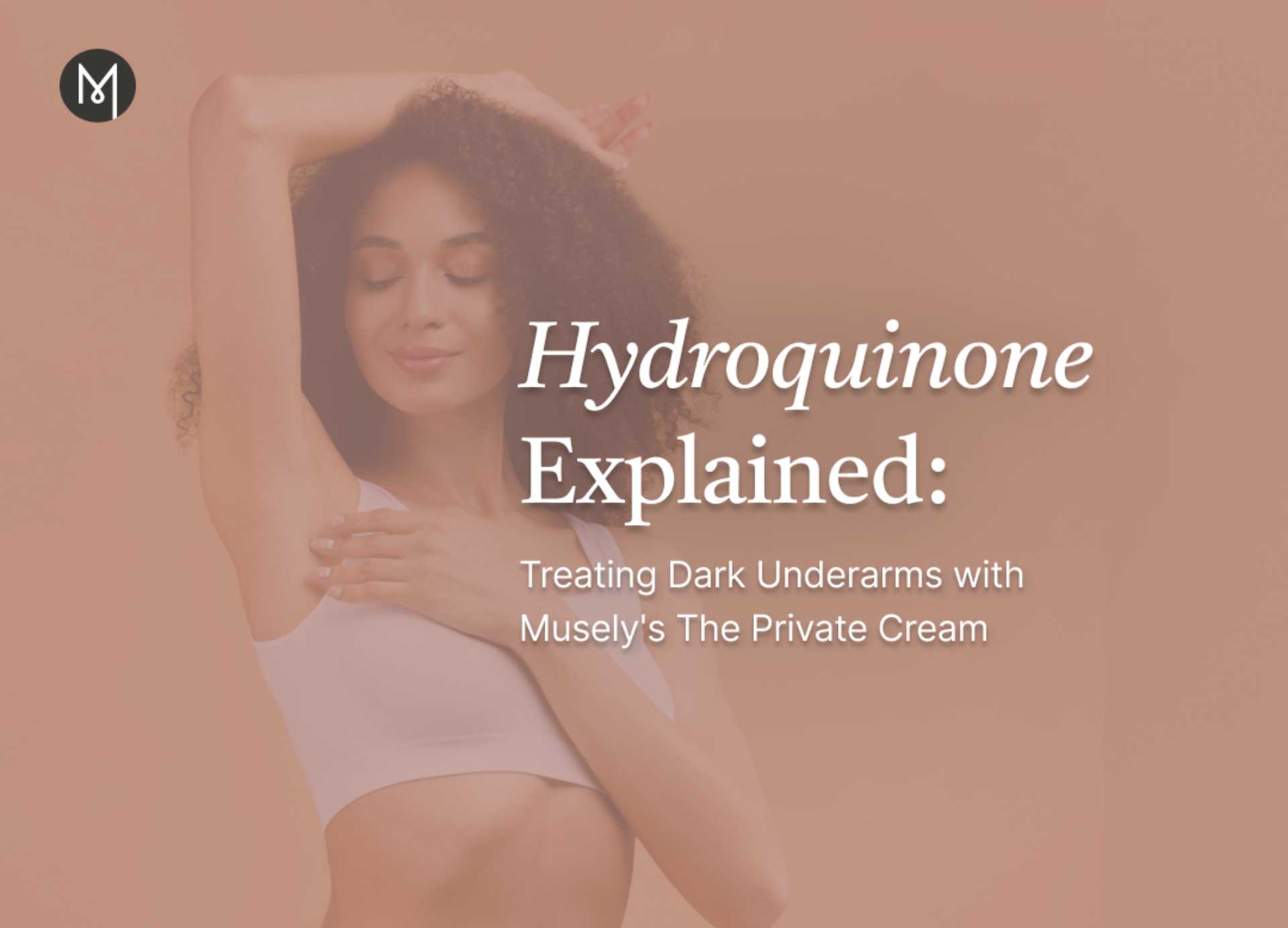
Many individuals are self-conscious and have discomfort from dark underarms. This condition can make people hesitant to wear sleeveless clothing or do activities that expose their underarms. While hyperpigmentation in this area is usually harmless, it may indicate underlying skin irritation or medical conditions.
What might be causing my dark underarms?
Repeated shaving, waxing, or wearing tight clothing may cause irritation and hyperpigmentation (AAD, 2023). The constant rubbing and minor skin abrasions can stimulate melanin production and cause darker skin over time.
Certain chemical ingredients found in alcohol, fragrances, and aluminum-based compounds, may trigger skin darkening over time (NIH, 2023). Some individuals may experience irritation, which prompts the skin to produce more pigment as a protective response.
Pregnancy, hormonal disorders like polycystic ovary syndrome (PCOS), or the use of some medications may also cause pigmentation issues (Mayo Clinic, 2023). Increased estrogen levels can lead to excess melanin production, resulting in darkened skin in various areas, including the underarms.
Conditions like acanthosis nigricans, often linked to insulin resistance, obesity, or endocrine disorders, may lead to darkened skin in folds and creases of the body, including underarms (Cleveland Clinic, 2023). This type of pigmentation may signal a need for medical evaluation.
Skin trauma from frequent shaving, allergic reactions, or infections can leave behind dark patches as the skin heals. PIH (post-inflammatory hyperpigmentation) is a common cause of uneven skin tone and is often seen in individuals with darker skin tones from higher melanin content.
It’s important to understand the root cause of underarm darkening before choosing the appropriate treatment. While some causes can be managed by changing personal care habits, others need targeted skincare or medical treatments to effectively reduce pigmentation. Here, we’ll dive into the key ingredient that has become the gold standard for treating hyperpigmentation, including dark underarms.
Understanding Hydroquinone and Melanin Production
Hyperpigmentation occurs when the skin overproduces melanin, leading to dark spots or patches. This pigment is synthesized by melanocytes—specialized skin cells activated by friction, hormonal changes, or inflammation. Hydroquinone helps lighten existing pigmentation and prevent new discoloration by inhibiting tyrosinase, the enzyme crucial for melanin production.
Other ingredients, including kojic acid, arbutin, and niacinamide, can complement hydroquinone by providing additional skin-brightening benefits. Kojic acid, for example, is derived from fungi and works similarly to hydroquinone but with antioxidant properties. Niacinamide (vitamin B3) helps reduce redness and inflammation, making it an excellent partner for hydroquinone treatments.
Hydroquinone: A Gold Standard for Skin Lightening
Hydroquinone is a widely recognized ingredient in dermatology for treating hyperpigmentation. It works by inhibiting the enzyme tyrosinase, which is essential for melanin production. By blocking this enzyme, hydroquinone reduces the formation of new pigment while gradually lightening existing dark spots. This dual-action approach works well for conditions like melasma, post-inflammatory hyperpigmentation, and dark underarms. Its effectiveness does depend on proper usage, including consistent application and adherence to dermatologist recommendations.
Using Hydroquinone for Dark Underarms
Hydroquinone has been successfully used to treat hyperpigmentation in various areas of the body, including underarms. Since the underarm area is sensitive, it’s important to use it correctly.
How do I use Hydroquinone for my dark underarms?
Start with a prescription formula: Hydroquinone is not available over the counter in the United States. It is typically available in formulations starting at 4%, which require a prescription.
Apply sparingly: Use a small amount and avoid excessive application to prevent irritation.
Pair with sunscreen: Even though underarms are not directly exposed to sunlight, UV protection is essential to prevent further pigmentation.
Monitor skin response: If irritation or redness occurs, discontinue use and consult a dermatologist.
Lifestyle Changes to Prevent Dark Underarms
While hydroquinone can lighten dark underarms, maintaining an even skin tone requires ongoing care. Here are some lifestyle changes we recommend:
Avoid frequent shaving, which causes friction; opt for waxing or laser treatments instead.
Wear loose-fighting closes as tight clothing creates friction and irritation, leading to darkening over time.
Use fragrance-free deodorants as certain deodorants contain harsh chemicals that may contribute to hyperpigmentation.
Hydrated skin is less prone to irritation and darkening so keep your skin moisturized.
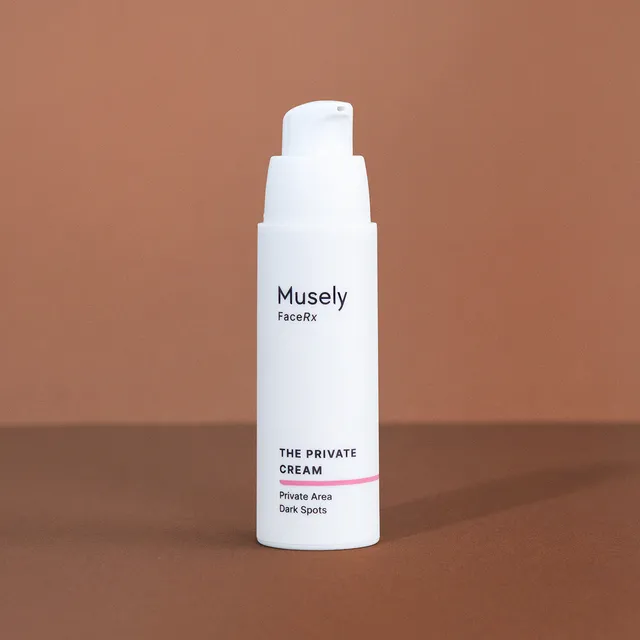
For those seeking a prescription-strength treatment for dark underarms, Musely’s Private Cream offers a dermatologist-prescribed solution tailored for intimate areas. This cream contains hydroquinone, along with other active ingredients, and is designed to even out skin tone effectively. Just like 900,000+ others, here's why you should choose Musely:
Custom formulations ensure a safe and effective concentration for hyperpigmentation treatment.
Specially designed for intimate areas, reducing the risk of irritated skin.
Comes with medical guidance from Board-Certified Dermatologists to help you achieve the best possible results.
How to Use Musely’s Private Cream for Best Results
Apply as directed by your Musely dermatologist, typically once or twice daily on clean, dry skin.
Use a thin layer to avoid irritation, as underarm skin is delicate.
Be consistent with application for at least 8-12 weeks to see optimal results.
Avoid exfoliants that may further irritate the skin.
Pair with a gentle moisturizer for skin hydration and preventing dryness or flaking.
Monitor results and consult your dermatologist if any irritation occurs or if additional guidance is needed.
Expert Opinions and Dermatologist Recommendations
Dermatologists often recommend hydroquinone for targeted hyperpigmentation treatment but advise careful usage. Some expert recommendations include:
Patch Test First: Apply a small amount to check for irritation first.
Limit Usage: Use hydroquinone for 8-12 weeks, then take a break to avoid skin resistance or irritation.
Combine with Sunscreen: Even if the underarms are not exposed to direct sunlight, UV exposure can worsen pigmentation.
FAQs About Hydroquinone for Dark Underarms
Can hydroquinone be used on other parts of the body?
Yes, but The Private Cream is best suited for localized hyperpigmentation such as underarms, inner thighs, and knees. Musely also offers prescription treatments for dark spots in other areas, such as the face, the body and the neck. Explore all dark spot treatments here.
What happens if I stop using hydroquinone?
Pigmentation may gradually return if triggers (like friction or hormonal imbalances) persist. It’s important to upkeep your results with a treatment plan.
How long does it take to see results?
Most people notice improvements within 6-8 weeks with consistent use.
Hydroquinone remains one of the most effective treatments for dark underarms, especially when combined with lifestyle changes and complementary skincare ingredients. If you’re looking for a dermatologist-backed solution, Musely’s Private Cream provides a well-formulated option tailored for sensitive areas. Consult a board-certified Musely dermatologist for personalized recommendations.
Products In This Tip
More tips like this

Anti-Aging
Melanie Face-Rx Testimonial

Around The Eyes
This Is The Right Time To Apply Eye Cream
Skin & Body
Everything You Need to Know About The Peptide Serum

Skin & Body
Musely’s Guide to Exosomes: Benefits, Use & Best Serum

Sun & UV Safety
Are These Chemicals Lurking In Your Sunscreen?

Body Care
How To Get Rid Of Dark Spots On Your Elbows And Knees
Other
The Top 5 Skincare Ingredients Dermatologists Use On Themselves

Other