Why Tretinoin And Waxing Don't Mix

So you've started using tretinoin (congratulations - your skin will thank you!), but you're wondering: can I still wax my face? Do I have to give up a hairless upper lip and perfectly groomed eyebrows in order to have more youthful skin? The answer is yes and no. Yes, you should not wax your face if you're using tretinoin. No, that doesn't mean your days of a hairless face are over.
Here's why:
Waxing removes skin cells even when performed properly, exfoliating the skin.
In the beginning stages of treatment, tretinoin may also thin the skin as it removes dead skin cells from the areas being treated and peeling is very common. So what happens when skin that's been treated with tretinoin is waxed? It's left with painful, red skin that looks like a glossy wound. It can also result in bleeding and scabbing.
With this being said, unfortunately waxing and tretinoin are *not* a pair. Although some people still get waxed and have done so without severe side effects, it's dangerous for your skin and is strongly discouraged.
However, there are some other options for hair removal:
• Tweezing: Chemical-free and removes the hair from the root, lasting about three to six weeks.
• Threading: It removes the hair quicker than tweezing, and also removes the hair from the root, lasting about three to six weeks.
Other hair removal methods to avoid while using tretinoin:
• Depilatories: These contain harsh chemicals to break down the hair, potentially taking the skin off with it.• Laser: Tretinoin makes your skin more sensitive, and laser hair removal may cause the skin to burn! If you don't want to worry about hair removal during your treatment, consider doing laser hair removal prior to starting treatment! • Dermaplaning: Avoid the use of tretinoin a few days prior to a Dermaplaning treatment, and do not resume for a few days after treatment.
Tretinoin and the Skin Renewal Process
The skin renewal process, also known as skin cell turnover, is a continuous cycle where new skin cells are produced in the lower layers of the epidermis (the outermost layer of the skin) and old, dead cells are shed from the surface. Tretinoin, a derivative of Vitamin A, plays a significant role in enhancing this process.
Basics of Skin Renewal and Tretinoin
Skin cells are formed in the basal layer of the epidermis. These cells gradually move upwards towards the skin's surface as they mature. This journey takes about a month. As the cells move upward, they flatten, die, and eventually slough off. This natural exfoliation process is crucial for maintaining healthy skin.
Tretinoin accelerates the rate of cell turnover. It encourages the rapid shedding of dead skin cells and the faster growth of new cells. By speeding up this process, Tretinoin helps to clear up acne, smooth the skin's surface, and improve the appearance of sun-damaged skin. Tretinoin increases skin cell turnover and collagen production, it helps to improve the overall texture and tone of the skin. This makes the product good for reducing the appearance of age spots, sun damage, and hyperpigmentation, leading to a more even and youthful skin complexion.
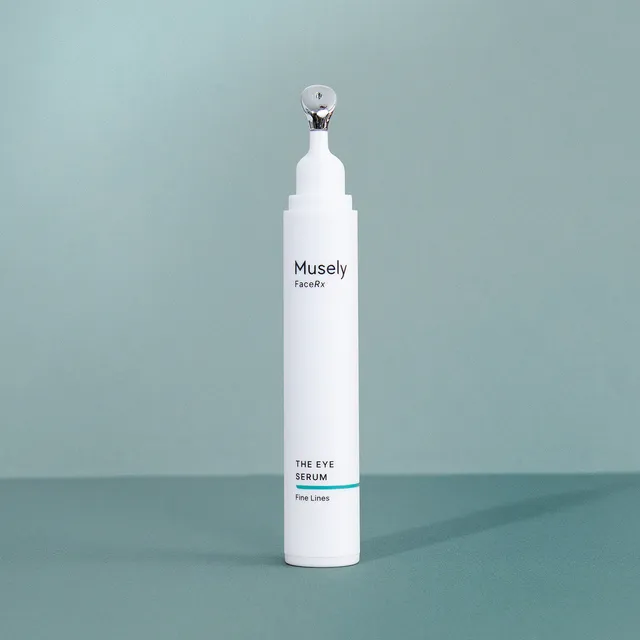
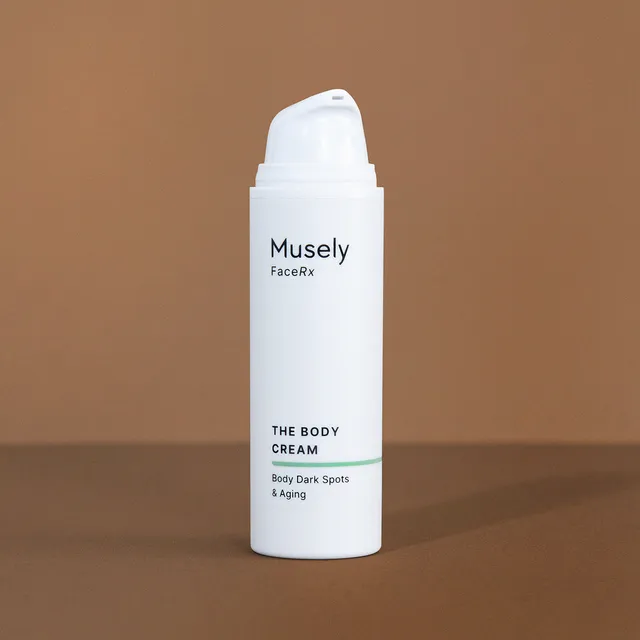
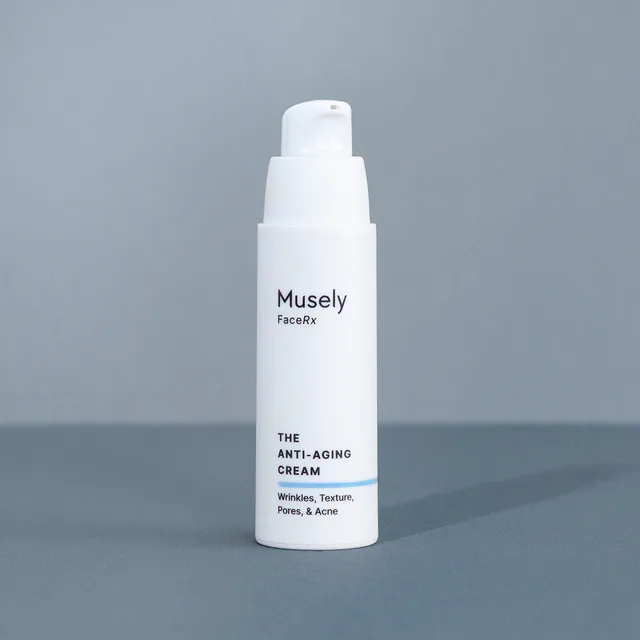
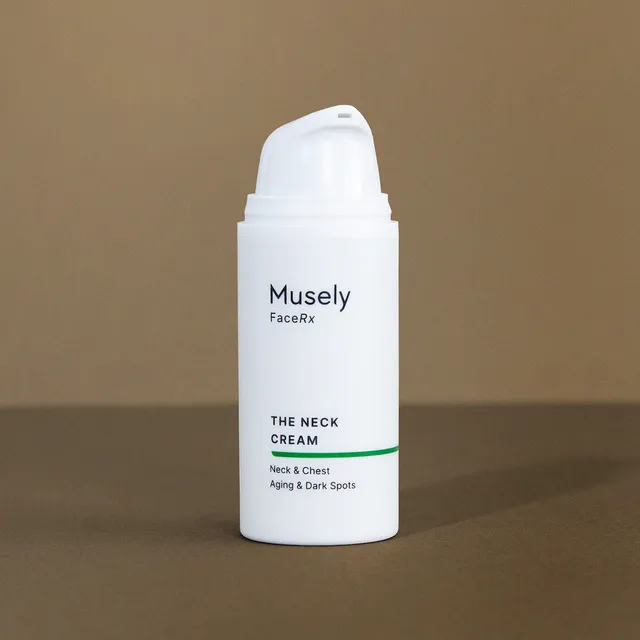
Products In This Tip
More tips like this

Anti-Aging
Melanie Face-Rx Testimonial

Anti-Aging
Stop The Clock On Your Skin Before It's Too Late
Anti-Aging
How Estriol Cream Restores Elasticity During Menopause

Anti-Aging
Tretinoin Basics: Step‑by‑Step Guide for Clearer Skin

Anti-Aging
Eradicate Years Of Wrinkles In 60 Days, Guaranteed!
Anti-Aging
5 Signs Your Skin Is Aging Faster Than You Are (And What You Can Do About It)

Anti-Aging
Exosome 101

Anti-Aging