The Science of Exosomes: How They Work & Why Musely Uses Them in Skincare

Skincare continues to improve with advances in regenerative medicine. One of the most exciting breakthroughs is the use of exosomes, microscopic messengers that enhance skin cell regeneration. Musely, a leader in science-backed skincare, has incorporated iPSC exosomes (derived from induced pluripotent stem cells) into The Cell Repair Serum to revolutionize skin rejuvenation.
What exactly are exosomes and how are they useful for healthy skin?
Exosomes are tiny extracellular vesicles secreted by cells, functioning as molecular couriers that transfer proteins, lipids, and RNA between cells. They support cell-to-cell communication in healing, tissue repair, and regeneration. In skincare, exosomes are reported to:
Stimulate collagen production and cell regeneration
Minimize inflammation and reduce cell damage.
Helps heal wounds repair skin barriers
How do exosomes work for skincare?
Exosomes work by delivering bioactive molecules directly to skin cells, activating natural regeneration. Exosomes are tiny messengers released by cells. Think of them as delivery packets that carry signals from one cell to another. In skincare, they are used to help support the skin’s natural repair process. That is why exosomes are often discussed in anti-aging skincare and skin rejuvenation.
Traditional skincare ingredients act on the skin’s surface while exosomes work below the skin’s surface which is more effective for anti-aging and improved skin health.
How do exosomes compare to popular skincare ingredients?


Exosomes vs retinol: what’s the difference?
Exosomes and retinol are not the same thing. Retinol is known for speeding up skin cell turnover at the surface. Exosomes are used to support cell communication and skin repair. Musely uses exosomes in The Cell Repair Serum, while The Anti-Aging Cream is Musely’s tretinoin-based anti-aging treatment. Some people may use both in the same routine because they do different jobs.
What is Musely’s exosome serum?
Musely’s exosome serum is The Cell Repair Serum, a prescription anti-aging treatment made with iPSC exosomes and rapamycin. In simple terms, exosomes are tiny messengers that help skin cells communicate. Musely uses them to help support skin renewal, healthy collagen, smoother texture, and a more refreshed-looking complexion.
Why does Musely use iPSC exosomes in The Cell Repair Serum?
Musely’s Cell Repair Serum uses iPSC exosomes because of their regenerative potential. These exosomes, combined with Rapamycin, create a formula designed to repair damaged skin and slow aging.
Key Ingredients & Their Benefits:
iPSC exosomes: Derived from induced pluripotent stem cells, these exosomes promote cell renewal and repair while also improving collagen production.
Rapamycin: A powerful anti-aging agent that slows cellular aging and improves skin elasticity.
This unique combination helps accelerate skin renewal, improve your skin’s texture, and help fine lines and wrinkles disappear.
How to use Musely’s The Cell Repair Serum
Use The Cell Repair Serum at night on clean, dry skin. Apply 1 full pump to the face, let it absorb, then follow with moisturizer or another Musely topical if your dermatologist recommends it.
Daily SPF 30+ is important while using anti-aging treatments. The Cell Repair Serum can pair well with The Anti-Aging Cream, The Aging Repair Cream, and The Spot Cream.
To achieve the best results:
Wash the treatment area with a gentle, fragrance-free cleanser and pat dry.
Use one full pump of The Cell Repair Serum and gently massage it into the skin.
Avoid sweating or using other skincare products immediately after use.
Use Musely’s Anti-Aging Cream, Aging Repair Cream, or Spot Cream to maximize results.
When can I expect results?
4 weeks: Visible improvements in skin hydration and texture
8 weeks: Full results, including reduced wrinkles and enhanced skin firmness.
Continued use is essential for maintaining results.
What are some additional considerations before trying exosome serum?
While exosome-based skincare is a promising advancement, it is important to consider potential risks and limitations. The use of exosomes in cosmetic formulations is still relatively new, and long-term studies on their efficacy and safety are ongoing. Consumers should be aware that the quality and effectiveness of exosome products can vary depending on their source and manufacturing process.
Key considerations include:
Purity and Quality: Ensuring that exosome formulations are free from contaminants and produced in regulated conditions is critical.
Regulatory Oversight: Exosome-based products are still under regulatory review in various regions, meaning guidelines and safety standards may evolve over time.
Suitability for All Skin Types: While generally well-tolerated, some individuals may experience irritation or allergic reactions, particularly if combined with other active ingredients.
Scientific Validation: Continued research is necessary to fully validate the long-term effects of exosome treatments on skin health.
Consumers should always consult with dermatologists before integrating advanced exosome-based products into their skincare routine.
What are some additional considerations before trying exosome serum?
While exosome-based skincare is a promising advancement, it is important to consider potential risks and limitations. The use of exosomes in cosmetic formulations is still relatively new, and long-term studies on their efficacy and safety are ongoing. Consumers should be aware that the quality and effectiveness of exosome products can vary depending on their source and manufacturing process.
Key considerations include:
Purity and Quality: Ensuring that exosome formulations are free from contaminants and produced in regulated conditions is critical.
Regulatory Oversight: Exosome-based products are still under regulatory review in various regions, meaning guidelines and safety standards may evolve over time.
Suitability for All Skin Types: While generally well-tolerated, some individuals may experience irritation or allergic reactions, particularly if combined with other active ingredients.
Scientific Validation: Continued research is necessary to fully validate the long-term effects of exosome treatments on skin health.
Consumers should always consult with dermatologists before integrating advanced exosome-based products into their skincare routine.
The future of exosomes in skincare
The future of exosomes in skincare is incredibly promising as research continues to uncover their full potential. Scientists are exploring new ways to harness exosomes for targeted treatments that go beyond traditional anti-aging and healing benefits. Emerging studies suggest that exosomes could be customized to address specific skin concerns, such as hyperpigmentation, acne scars, and even chronic inflammatory skin conditions like eczema and psoriasis.
Additionally, advancements in biotechnology are making exosome production more efficient and scalable, which could lead to broader accessibility and affordability in skincare products. Companies are also investigating the combination of exosomes with other cutting-edge technologies like nanotechnology and AI-driven personalized skincare to create highly tailored solutions for individual skin needs.
As research expands, regulatory bodies are beginning to establish guidelines for the safe and ethical use of exosomes in skincare so future formulations will be both effective and backed by scientific rigor. With continuous innovation, exosomes may soon become a staple in high-performance skincare, changing how we approach skin health and longevity. The use of exosomes in regenerative medicine is still expanding.
Musely’s Cell Repair Serum leverages the power of iPSC exosomes and rapamycin to deliver visible skin rejuvenation and long-term anti-aging effects. With consistent use, users can experience smoother, healthier, and more youthful skin.
Ready to work something new into your skincare routine? Try Musely’s Cell Repair Serum and discover the science of skin regeneration today!
FAQs
What is exosome serum?
Exosome serum is a skincare product containing exosomes, small extracellular vesicles, that improve cell communication. Using this serum will support skin repair, hydration, and anti-aging benefits.
Which Musely product has exosomes?
Musely’s exosome treatment is The Cell Repair Serum. It is a prescription serum made with iPSC exosomes and rapamycin to help support skin renewal and a smoother, more refreshed appearance. The Hair Solution - Modern and The Eye Serum formulations also include iPSC exosomes.
Is Musely’s exosome serum prescription only?
Yes. The Cell Repair Serum contains rapamycin, which requires a prescription.
Can I use The Cell Repair Serum with other Musely treatments?
Yes. Musely’s The Cell Repair Serum can be used with other topical Musely treatments, especially The Anti-Aging Cream, The Aging Repair Cream, and The Spot Cream.
How long does it take to see results from Musely’s exosome serum?
Results are not instant. Many patients should expect a timeline of about 6 to 8 weeks with consistent use.
Does Musely’s exosome serum need refrigeration?
No. Musely’s exosomes are freeze-dried and shelf stable, so refrigeration is not required.
Do exosomes in skincare actually work?
Yes! Clinical studies show that exosomes enhance collagen production, accelerate skin healing, and reduce inflammation, helpful for anti-aging and healthier skin.
Are exosomes better than retinol?
Exosomes and retinol serve different functions. Retinol accelerates cell turnover and exfoliation but can cause irritation. Exosomes repair and regenerate skin below the surface, offering anti-aging benefits without harsh side effects.
What is the best source of exosomes?
The best exosomes for skincare come from induced pluripotent stem cells (iPSCs), as they have superior regenerative properties. Musely’s Cell Repair Serum utilizes iPSC-derived exosomes for maximum effectiveness.
Is rapamycin available over the counter?
No, rapamycin is a prescription-only medication due to its potent effects on cellular aging and immune function. Musely’s Cell Repair Serum requires a prescription.
What is the closest supplement to rapamycin?
The closest natural alternatives to rapamycin include Resveratrol, Fisetin, and Spermidine, which also target aging pathways and support cellular health.
What are the natural sources of rapamycin?
Rapamycin is originally derived from a bacterium called Streptomyces hygroscopicus, found in soil on Easter Island. While there are no direct food sources, some compounds like polyphenols in plants mimic their effects.
Products In This Tip
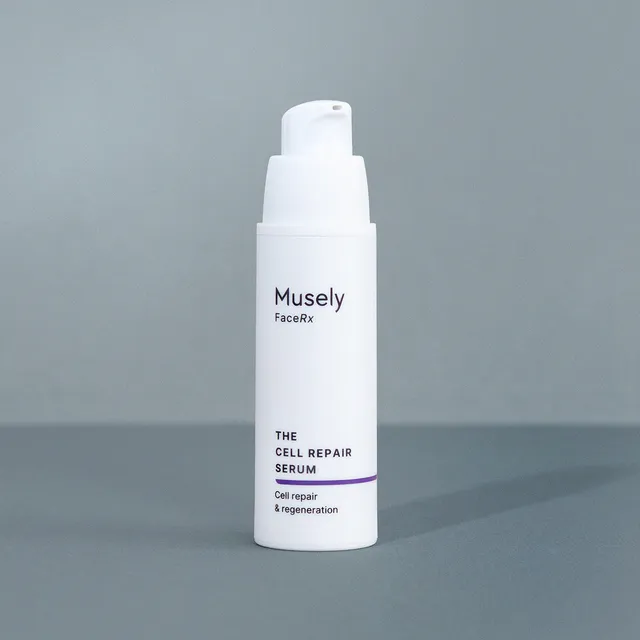
The Cell Repair Serum
Stimulates the body's natural regenerative properties and increases cell turnover with exosome infused serum
More tips like this

Anti-Aging
Melanie Face-Rx Testimonial
Anti-Aging
How Estriol Cream Restores Elasticity During Menopause

Anti-Aging
Stop The Clock On Your Skin Before It's Too Late

Anti-Aging
Tretinoin Basics: Step‑by‑Step Guide for Clearer Skin

Anti-Aging
Eradicate Years Of Wrinkles In 60 Days, Guaranteed!

Anti-Aging
5 Signs Your Skin Is Aging Faster Than You Are (And What You Can Do About It)

Anti-Aging
Exosome 101

Anti-Aging