Avoid Tretinoin Irritation: Tips, Strengths, and Scheduling

Tretinoin is one of the most powerful and well-researched ingredients in dermatology. It's a prescription retinol that treats acne, fades dark spots, smooths texture, and reduces the appearance of fine lines. But with great power comes the need for a smart approach. Many people hesitate to start tretinoin, worried about the infamous "purge," redness, and peeling.
The truth is, while some initial irritation is normal, it’s also highly manageable. Using your tretinoin cream correctly is the key to bypassing the worst of the side effects and achieving that sought-after glow. This guide will walk you through everything you need to know, from application to scheduling, so you can feel confident in your skincare journey.
How to Apply Tretinoin: A Step-by-Step Guide
Proper application is the first and most critical step in preventing irritation. Follow these steps every time you use your treatment at night.
1. Cleanse Gently: Wash your face with a mild, non-medicated cleanser. Avoid scrubs or harsh exfoliants.
2. Wait for Your Skin to Dry Completely: Pat your skin dry and wait at least 20-30 minutes. Applying tretinoin to even slightly damp skin can increase absorption and lead to significant irritation. Your skin should feel cool and completely dry to the touch.
3. Use a Pea-Sized Amount: This is non-negotiable. A pea-sized dab is enough for your entire face. Applying more won’t speed up results, but it will increase dryness and sensitivity. Dot the cream on your forehead, cheeks, and chin, then gently spread it in a thin, even layer.
4. Avoid Sensitive Areas: Be careful to avoid the corners of your eyes, nostrils, and mouth, as these areas are more prone to irritation.
5. Moisturize with the "Sandwich Method": To buffer your skin, our dermatologists recommend the "sandwich method." Apply a thin layer of a simple, hydrating moisturizer, let it absorb, apply your tretinoin, and then follow up with another layer of moisturizer. This technique doesn't reduce the efficacy of tretinoin but makes the experience much gentler.
How Often Should You Use Tretinoin?
When starting tretinoin, "low and slow" is the golden rule. Your skin needs time to adjust to the increased cell turnover, a process called retinization. Pushing your skin too hard, too soon, can damage its barrier and set you back.
Here is a sample schedule to build tolerance gradually:
Weeks 1-2: Use 2 nights per week (e.g., Monday and Thursday).
Weeks 3-4: If your skin feels calm, increase to 3 nights per week.
Weeks 5+: Gradually increase to every other night, and then nightly if tolerated.
Listen to your skin. If you experience significant stinging, peeling, or redness, take a break for a few nights and reduce your frequency. The goal is consistency over intensity. For many, using tretinoin every other night is a perfect long-term maintenance schedule.
Managing Common Side Effects: Irritation and Purging
Even with perfect use, you may experience some temporary side effects as your skin adapts.
The "Tretinoin Purge"
Tretinoin works by accelerating skin cell turnover, pushing underlying congestion to the surface. This can cause a temporary increase in breakouts, known as the "purge." While frustrating, it's a sign the medication is working. This phase typically lasts from two to six weeks. It's important to remember that this acne would have appeared eventually; tretinoin is just speeding up the process. Stick with your routine, and it will pass.
Dryness, Redness, and Peeling
These are the most common side effects and are usually signs of retinization. They can be managed by:
Using the sandwich method with a gentle, hydrating moisturizer.
Ensuring you use only a pea-sized amount.
Reducing your application frequency until your skin calms down.
Avoiding other harsh active ingredients on the nights you use tretinoin.
Most irritation is temporary and will subside as your skin builds tolerance over the first few weeks. If irritation becomes severe or painful, stop using the product and consult your dermatologist.
What Tretinoin Strength Is Right for Me?
Tretinoin comes in various strengths, typically from 0.025% to 0.1%. Starting with a lower concentration is often recommended to allow your skin to acclimate, but how you apply it matters just as much.
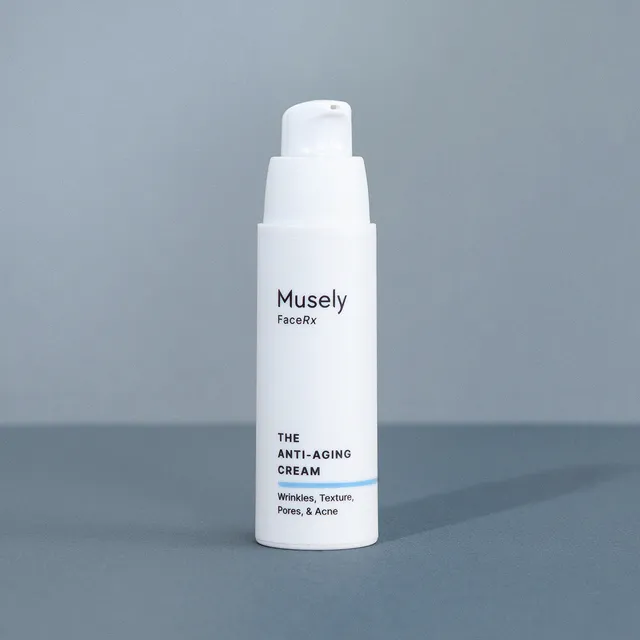
At Musely, we don't believe in a one-size-fits-all approach. We solve real problems with personalized care. Our dermatologists prescribe custom formulas tailored to your skin's needs. For example, The Anti-Aging Cream is available in three strengths—Gentle (0.025%), Balanced (0.05%), and Veteran (0.1%)—and includes complementary ingredients like niacinamide and hyaluronic acid to boost results and support your skin barrier.
How to Get a Prescription for Tretinoin Online
Tretinoin is a powerful medication that requires a prescription. Traditionally, this meant scheduling an in-person appointment, but today you can get an online dermatologist prescription safely and conveniently.
Musely offers prescription skincare, without the waiting room. Here’s how it works:
Complete a simple online questionnaire about your skin and medical history.
Upload photos of your skin for your doctor's review.
A board-certified dermatologist reviews your case and, if appropriate, prescribes a custom treatment.
Your formula is then compounded fresh for you and shipped directly to your door. With over 1 million patients treated and counting, we're focused on providing science-backed solutions that deliver long-term change.
Important Precautions When Using Tretinoin
To ensure your treatment is impactful, keep these rules in mind.
Sunscreen is non-negotiable. Tretinoin makes your skin more sensitive to the sun. You must apply a broad-spectrum sunscreen with SPF 30 or higher every single morning, even on cloudy days. This is a crucial step to protect your skin and your results.
Avoid certain ingredients. Do not use products containing benzoyl peroxide at the same time as tretinoin. It's also wise to avoid other exfoliants like glycolic acid (AHA) or salicylic acid (BHA) on the nights you apply tretinoin to prevent over-irritation.
Do not use if pregnant or breastfeeding. Retinoids are not safe for use during pregnancy or while nursing. Women of childbearing age should use effective contraception.
Frequently Asked Questions
How long until I see results with tretinoin?
Patience is key. While tretinoin starts working immediately, visible results typically take 6 to 8 weeks of consistent use. Some may notice initial improvements in as little as a few weeks, but full results for texture and dark spots can take several months. Explore the timeline of results.
Can I use Vitamin C or hyaluronic acid with tretinoin?
Yes! They make a great team. Apply Vitamin C in the morning (followed by sunscreen) to provide antioxidant protection. Hyaluronic acid can be layered at night before or after tretinoin to boost hydration and reduce dryness.
Do I need to wash tretinoin off in the morning?
Yes, it's best practice to gently cleanse your face each morning to remove any residual product before starting your morning skincare routine.
What are some alternatives to tretinoin?
If your skin is too sensitive for tretinoin or you are pregnant, there are other options. Retinaldehyde (retinal) is the strongest over-the-counter retinoid, and ingredients like azelaic acid can also improve tone and texture. However, tretinoin remains the gold standard for its proven efficacy. Musely offers a range of anti-aging skincare prescription solutions, some without tretinoin, to meet different needs.
Products In This Tip
More tips like this

Anti-Aging
Melanie Face-Rx Testimonial

Anti-Aging
How Estriol Cream Restores Elasticity During Menopause

Anti-Aging
Stop The Clock On Your Skin Before It's Too Late

Anti-Aging
Tretinoin Basics: Step‑by‑Step Guide for Clearer Skin

Anti-Aging
Eradicate Years Of Wrinkles In 60 Days, Guaranteed!

Anti-Aging
5 Signs Your Skin Is Aging Faster Than You Are (And What You Can Do About It)

Anti-Aging
Exosome 101

Anti-Aging