The Process: Tretinoin Before And After
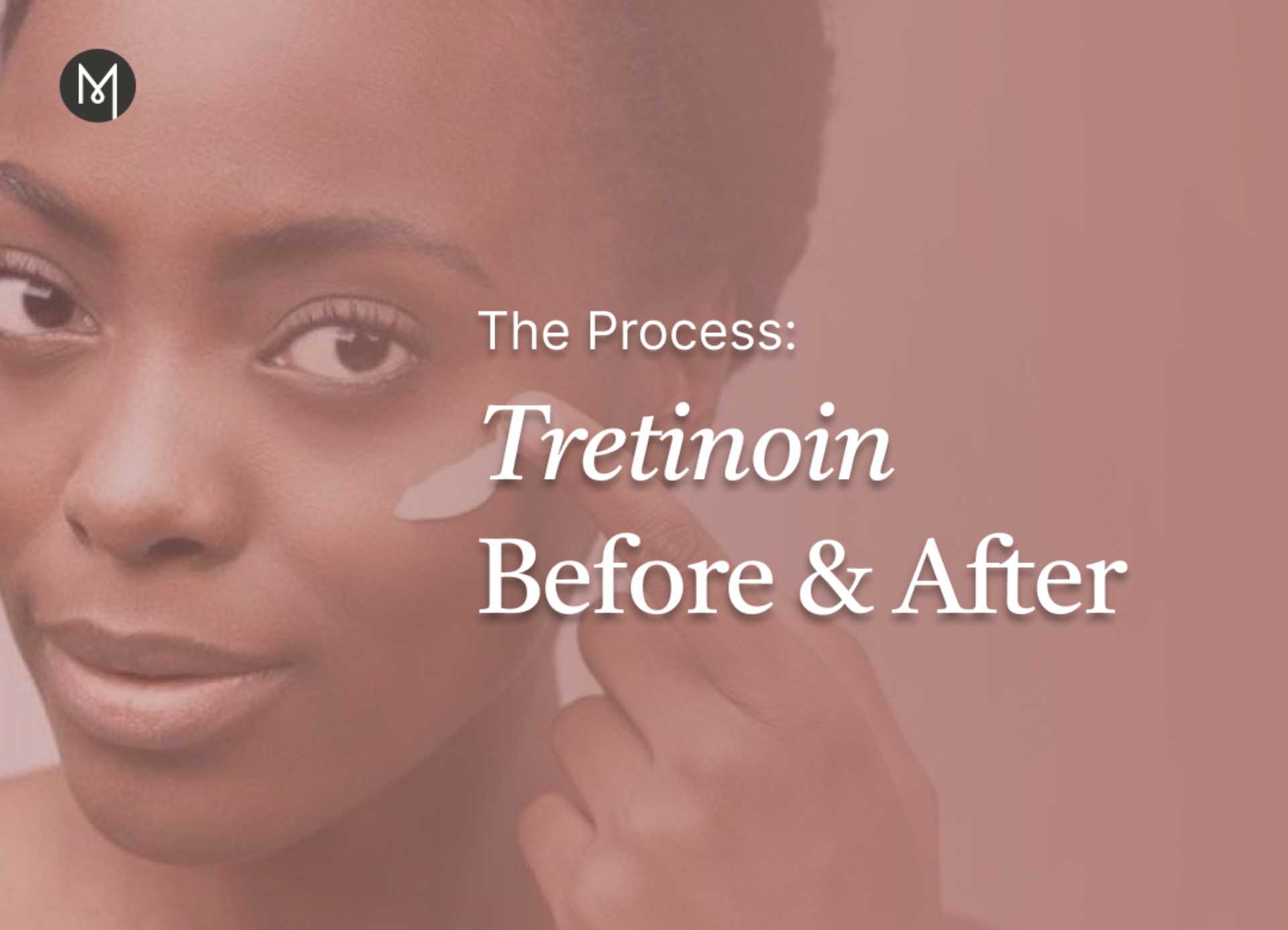
Did you know that your skin doesn’t have to age with you? As our skin cells are exposed to sunlight, over time it’s natural for the skin to start developing fine lines, wrinkles, sun spots, and other signs of aging. But there are plenty of ways that you can work towards preserving a youthful, healthy, and clear complexion!
Tretinoin is a powerful prescription skincare ingredient used as an anti-aging treatment for aging skin. It is a topical retinoid, commonly known as Retin-A, and is available by prescription. Tretinoin before and after results, along with clinical studies on topical retinoids, show why this prescription retinoid is often used for fine lines and wrinkles, uneven tone, and skin texture. But what is tretinoin, and what does it actually do?
What is tretinoin?
To better understand tretinoin, it helps to first understand retinoids. Retinoids are vitamin A derivatives used in different dermatology and skin care system applications. They include natural and synthetic forms such as retinol, retinal, retinoic acid, etretinate, acitretin, and tazarotene.
Topical tretinoin, sometimes referred to as Tretinoin Retin-A, is retinoic acid, a natural vitamin A derivative. Retin-A Micro is another tretinoin formulation, while Musely’s The Anti-Aging Cream uses tretinoin in a cream form customized to the patient’s skin goals. Tretinoin was first formulated for use as an acne treatment in the 1970s by Dr. Albert M. Kligman at the University of Pennsylvania. Tretinoin before and afters for acne showed very powerful results. Patients using tretinoin daily began to report general improvement in their skin aside from the reduction in frequency of acne breakouts, so Dr. Kligman and colleagues studied the effects of tretinoin on skin damaged by ultraviolet light (UV light), which causes skin damage such as wrinkles and fine lines. In the 1990s, tretinoin began to be utilized as an anti-aging treatment (Baldwin).
Since then, tretinoin has been referenced as a “gold standard” ingredient in skincare and anti-aging treatments in particular (McDaniel). Tretinoin is a powerful, prescription-only ingredient in the United States, so you’ll need to consult with a doctor and receive a prescription before using it.
How does tretinoin work?
Your skin is the largest organ in your body and is exposed daily to UV rays, pollution, and other environmental stressors. Over time, this exposure can trigger free radicals that contribute to visible skin aging, uneven tone, and rougher texture. Your skin cells are constantly regenerating and replacing old cells with new ones. In the average healthy adult, it generally takes about 28 days for the epidermis, the outer layer of skin cells, to be gradually replaced by new cells. This process is referred to as skin cell turnover or the skin cell cycle.
As we age, skin cell turnover slows down, leading to skin damage at a molecular level that causes changes in skin texture and the development of wrinkles to be more visible. The standard 28 day rate of skin cell turnover can increase by approximately 30% to 50% once you reach age 80 (Fore). Tretinoin speeds up your body’s production of new skin cells (McDaniel). The tretinoin causes the outermost layer of the skin to shed off more quickly, sometimes known as skin purging, and as a response, the skin underneath begins to produce more skin cells faster as well. This delays the aging process by speeding up the skin cell cycle, keeping the skin at the surface new and baby-soft, while treating the visible signs of age-related skin cell damage.
Tretinoin can also reduce the look of fine lines and wrinkles by supporting collagen production, which helps skin look more plump and elastic. This is why tretinoin before and after photos can be helpful: they show the gradual changes that can happen as dull surface cells shed and healthier-looking skin comes forward.
Are there other benefits to tretinoin?
Tretinoin was actually first used as an acne treatment before the other benefits of using this ingredient were discovered: anti-aging and generally improving the condition of UV-damaged skin (age spots) and uneven skin tone (Baldwin). Many dermatologists recommend tretinoin use before and after inflammatory acne vulgaris breakouts for reducing the severity of the breakouts and preventing future occurrences. This is because tretinoin reduces certain chemical reactions and inhibits inflammatory pathways in the skin known to be involved in the development of acne (Leyden).
How can I use tretinoin?
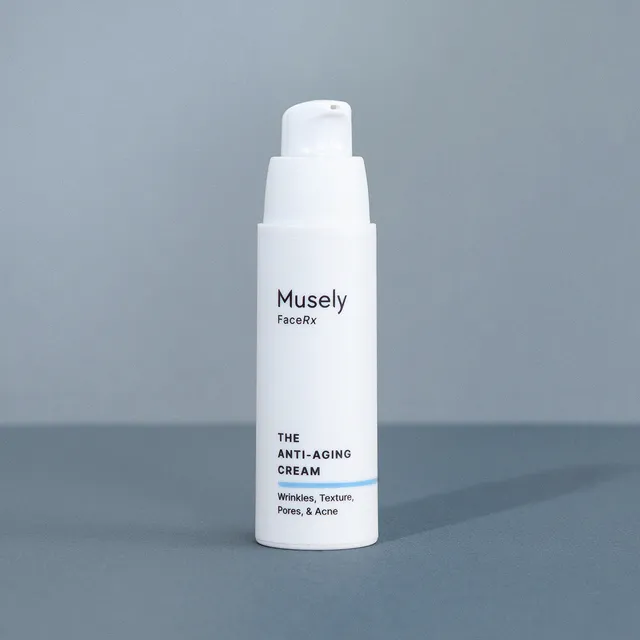
Interested in trying tretinoin yourself? Musely offers The Anti-Aging Cream, a prescription tretinoin cream formulated by board-certified dermatologists to treat fine lines and wrinkles, sun damage, and overall skin texture. The Anti-Aging Cream also includes hyaluronic acid, which draws moisture to the skin and works like a hydrating serum inside the formula, and niacinamide, which helps brighten the look of skin and support pores.
The Anti-Aging Cream is also available in multiple formulas, each with varying strengths of tretinoin, so that your treatment is personalized based on your skincare needs.
Because tretinoin is prescription strength, your skin needs time to adjust. Common side effects can include dryness, flaking, redness, itchiness, mild burning, and other signs of skin irritation. Start slowly, moisturize consistently, and follow your provider’s instructions so your skin barrier has time to adapt.
In addition, tretinoin can increase your skin’s sensitivity to sunlight, so daily sun protection is essential. Wear broad-spectrum sunscreen of at least SPF 30, limit direct sun exposure, and protect your face from UV rays with hats and shade when outdoors. One moisturizing sunscreen option is The Day Cream from Musely. This SPF 50 sunscreen has 5% titanium dioxide and 7% zinc oxide, creating a clinical-grade barrier against both UVA and UVB rays.
Tretinoin is available in multiple forms, such as tretinoin cream and tretinoin gel. Before and after applying tretinoin, be careful with other treatments on your face. Let tretinoin absorb before your skin touches another surface, like your pillow. Musely’s The Anti-Aging Cream uses tretinoin in cream form.
A Simple Tretinoin Skincare Routine
Tretinoin is one of the most studied vitamin A derivatives in skincare. Because it is strong, the best routine is simple.
Morning routine
1. Wash with a gentle cleanser.
2. Apply a vitamin C serum if your skin tolerates it well.
3. Apply moisturizer if needed.
4. Finish with broad-spectrum sunscreen every day.
Night routine
1. Wash with a gentle cleanser.
2. Let skin dry fully.
3. Apply a thin layer of tretinoin.
4. Wait a few minutes.
5. Apply moisturizer to help reduce skin irritation and support the skin barrier.
Choose your routine based on your skin type
Dry or sensitive skin: Start slowly and consider moisturizer before and after tretinoin.
Oily or acne-prone skin: Use a light, non-comedogenic moisturizer after tretinoin.
Combination skin: Moisturize more in dry areas and use a lighter layer in oily areas.
Avoid piling on too many strong skincare ingredients at once. A gentle cleanser, tretinoin, moisturizer, and sunscreen are enough for most beginners.
How long does tretinoin take to work?
Treating signs of aging is not a one-time fix. Skin cells shed and renew on a cycle, so results from topical tretinoin take time. Within six to eight weeks, some people may notice smoother skin texture, softer fine lines and wrinkles, and brighter-looking tone. If you’ve never used Retin-A before, your timeline may depend on your skin type, prescription strength, consistency, and how well your skin tolerates the adjustment period.
Long-term use of The Anti-Aging Cream may help maintain results when it is part of a consistent skin care system that includes moisturizer, daily sun protection, and provider guidance.
Tretinoin Results
Patience and consistency is key to seeing results with tretinoin. Check out some of our patients' tretinoin before and after results for wrinkles and more on their journey to youthful skin using The Anti-Aging Night Cream.

“I've been very pleased with the results of Musely’s FaceRx...It has eliminated the beginnings of crepe-like texture on my cheeks, and overall my face feels very smooth and hydrated.” - Mimi B.

“My skin is now super soft and the lines are not as deep.” - Natalie E.

“My skin tone is much more even!” - Leah C.
These patients all have at least one thing in common: using tretinoin or Retin-A, but how long it takes to see results can depend on other factors that influence your medical history or skin condition.
The Anti-Aging Cream is formulated to help address fine lines and wrinkles, skin texture, and visible sun damage as part of a consistent skincare routine. Start aging youthfully with FaceRx today!
What to Expect During the Tretinoin Before and After Process
Weeks 1 to 4: Initial adjustment
This is the stage where your skin is getting used to tretinoin. You may notice dryness, peeling, redness, tightness, or small breakouts. This early reaction does not always mean tretinoin is harming your skin. Often, it means your skin is adjusting to faster cell renewal.
Weeks 4 to 8: Early visible changes
You may start to notice smoother texture, less congestion, and brighter-looking skin. Some people also see fewer breakouts and softer-looking fine lines.Weeks 8 to 12: Stronger improvement
This is when many people see more even tone, better texture, clearer pores, and more visible before-and-after changes.3 to 6 months and beyond: Long-term results
With regular use, tretinoin may continue to improve rough texture, uneven tone, and the look of fine lines and wrinkles. Long-term use matters because collagen production, barrier support, and visible anti-aging results take time.
Tretinoin Before and After: Quick Answers
How long does it take to see results from tretinoin cream?
Most people start to notice early changes in 6 to 8 weeks, especially smoother texture, brighter-looking skin, and softer fine lines and wrinkles. If you are using tretinoin for acne, it can take 8 to 12 weeks or longer to see fuller improvement. Tretinoin is a prescription retinoid, so results build slowly and can keep improving with consistent use.
What are the signs that tretinoin is working?
Early signs can include dry skin, light peeling, mild redness, and other forms of skin irritation during the adjustment period. After that, common signs of progress are smoother texture, fewer clogged pores, more even tone, fading post-acne marks, and softer-looking fine lines. Tretinoin works by speeding up cell renewal, so change happens in stages, not overnight.
Can tretinoin make you look 10 years younger?
Tretinoin can help skin look smoother, brighter, firmer, and more even over time, which may make your skin look more youthful. But no skincare product can promise that every person will look “10 years younger.” A more accurate expectation is that tretinoin may help improve visible signs of aging like rough texture, sun damage, and fine lines with regular long-term use.
Do I moisturize before tretinoin or wait until after?
For most people, it is best to wash your face, let skin get fully dry, apply tretinoin, then apply moisturizer a few minutes later. If your skin gets irritated easily, you can use moisturizer first as a buffer, then apply tretinoin later. The goal is to protect your skin barrier while still getting the benefits of tretinoin.
Behind The Scenes: The FaceRx Story
Cherry, the wife of Musely CEO Jack Jia, struggled with melasma for years. She tried lasers and OTC treatments without the results she wanted. Then Musely received a tip from dermatologist Dr. Marie Jhin about prescription skin care. After seeing Dr. Jhin, Cherry’s dark spots improved and her wrinkles were visibly reduced in about two months. Her treatment included prescription ingredients such as tretinoin and hydroquinone. Jack was so impressed by Cherry’s results that he wanted to make prescription skin care treatments more accessible to the Musely community.
9 months later, FaceRx was born! Musely engineers built an online telemedicine platform. A dozen of the country’s top board-certified dermatologists joined Dr. Jhin to form what is now known as The Musely Medical Board. They developed special formulas that can be customized for each individual. A patient would receive a treatment prescribed and dispensed by their dermatologist and pharmacist just for them! Musely also developed eNurse, an extension to the existing Musely tips app, to allow the same doctor and pharmacist to support the patient during the 60-day treatment period.
Thanks to FaceRx, dermatologists can now oversee treatment for multiple patients at the same time from anywhere. Users can finish their doctor visit within minutes from the comfort of their home and receive their treatments at their doorstep within days.
With prescription skin care treatments designed to be affordable and accessible, FaceRx helps patients treat dark spots, aging concerns, and more with provider-guided care.
About Musely
Does Musely really work? Musely provides prescription skin care treatments through technology. The platform connects patients with dermatologists and pharmacists who can deliver and administer medical treatments for skin conditions online. Musely’s goal is to make science-backed skin care more accessible from home.
How to Utilize Tretinoin Long Term
Topical Tretinoin is widely used in dermatology, for skin concerns in anti aging and managing hormonal acne. Here's a guide on how to approach the continued use of Tretinoin over a long period of time.
Expect Gradual Improvements: One of the aspects of Tretinoin is its ability to continuously enhance your skin. Over time you can anticipate enhancements in terms of texture, firmness and overall appearance. This is because it stimulates collagen production and speeds up cell turnover.
Establishing a Maintenance Routine: Once you reach your skin goals, your provider may adjust your routine into a maintenance phase. This may involve reducing the frequency of tretinoin application based on how your skin reacts. The goal is to sustain results while minimizing skin irritation.
Incorporating Complementary Skincare Products: Alongside tretinoin, your provider may recommend products that support hydration and barrier comfort. These can include hyaluronic acid for hydration, niacinamide for skin barrier support, and antioxidants such as vitamin C. Add stronger actives, including Glycolic Acid or Azelaic acid, only when your skin is ready.
Adjusting Tretinoin Concentration: Depending on how your skin reacts, there will be a need to adjust the concentration of your cream or gel. It's important to strike a balance in order to find the strength that effectively addresses your skin concerns while minimizing any potential irritation.
Patience and Consistency: It's essential to keep in mind that Tretinoin is not a short term solution. Its full benefits are achieved over a prolonged period so it's crucial to work with it daily and re-apply.
Sources:
Alberts, Bruce. “Epidermis and Its Renewal by Stem Cells.” Molecular Biology of the Cell. 4th Edition., U.S. National Library of Medicine, 1 Jan. 1970.
Mukherjee, Siddharth, et al. "Retinoids in the treatment of skin aging: an overview of clinical efficacy and safety." Clinical interventions in aging 1.4 (2006): 327.
Leyden, James, et al. “Why Topical Retinoids Are Mainstay of Therapy for Acne.” Dermatology and Therapy, Springer Healthcare, Sept. 2017.
Figura, Laura. “What's so Special about Retin-A?” American Society of Plastic Surgeons, American Society of Plastic Surgeons, 5 Nov. 2019.
Baldwin, Hilary E. et al. “40 Years of Topical Tretinoin Treatment In Review.” Journal of Drugs in Dermatology, vol. 12, no. 6, 2013, pp. 638.
Rodan, Katie, et al. "Skincare bootcamp: the evolving role of skincare." Plastic and Reconstructive Surgery Global Open 4.12 Suppl (2016).
Bhawan MD, Jag. "Short‐and long‐term histologic effects of topical tretinoin on photodamaged skin." International journal of dermatology 37.4 (1998): 286-292.
McDaniel, David H, et al. “Efficacy and Tolerability of a Double-Conjugated Retinoid Cream vs 1.0% Retinol Cream or 0.025% Tretinoin Cream in Subjects with Mild to Severe Photoaging.” Wiley Online Library, John Wiley & Sons, Ltd, 1 Aug. 2017.
Zasada, Malwina et al. "Retinoids: active molecules influencing skin structure formation in cosmetic and dermatological treatments." Advances in Dermatology and Allergology/Postępy Dermatologii i Alergologii, vol. 36, no. 4, 2019, pp. 392-397. doi:10.5114/ada.2019.87443.
Fore, Jane. "A review of skin and the effects of aging on skin structure and function." Ostomy/wound management 52.9 (2006): 24-35.
Products In This Tip
More tips like this

Compounded Ingredients
Advil For Headaches, Face-Rx For Anti-Aging

Compounded Ingredients
Tretinoin In The News - Huffington Post

Compounded Ingredients
Why Can I Only Use Tretinoin At Night?

Compounded Ingredients
Packed With THESE Spot Fighting Ingredients!

Compounded Ingredients
What To Expect On Your Tretinoin Journey

Compounded Ingredients
What's The Difference Between Tretinoin And Over-The-Counter Retinol?

Compounded Ingredients
What Is Tretinoin Used For?

Compounded Ingredients