Everything You Need To Know About Male Pattern Baldness Or Baldness In Men

What exactly is male pattern baldness? Male pattern baldness is also known as androgenetic alopecia or hair loss and is an extremely common condition that affects a large percentage of men all over the world. This condition is characterized by a gradual loss of hair on the scalp, which can lead to a balding head or bald spots. Studies show that about 96%-100% of men experience some type of hair loss in their lifetime, with over 50% of men experiencing hair loss or a balding head by the age of 50. If you or someone you know is experiencing male pattern baldness, it is essential to weigh all the possibilities and become familiar with the treatment options available to you. Here is everything you need to know about baldness in men and how to effectively treat it:
What actually causes male pattern baldness?
There are various factors that can contribute to male pattern baldness and baldness in men, including age, genetics, and hormones. It is widely believed that the hormone Dihydrotestosterone (DHT) plays a major role in male pattern baldness and baldness in men. DHT derives from testosterone and can cause shrinking of hair follicles and produce thinner and shorter hair strands, which can cause a significant increase in hair loss and bald spots over time.
Can you prevent baldness in men? Can you treat male pattern baldness?
About 95% of men who experience hair loss have androgenetic alopecia, which is hereditary. However, there are ways to effectively treat hair loss to stop hair from falling out and encourage new hair growth. There are several treatments available for male pattern baldness with the top ingredients being dutasteride, finasteride, and minoxidil.
Minoxidil is a key ingredient used in hair loss treatments for men and women and can be used to treat the most common types of hair loss, male and female-pattern baldness, and men bald hair symptoms. Minoxidil is a potent ingredient that encourages new hair growth by opening up blood vessels in the scalp to allow oxygen, blood, and nutrients to flow to the hair follicles. This results in improved blood flow and can help to revitalize and restore the hair follicles and encourage hair growth.
Minoxidil can be used along with other hair-loss ingredients, such as dutasteride or spironolactone. Combining a powerful DHT blocker like dutasteride or finasteride with minoxidil can help to boost the overall effectiveness of the treatment.
Dutasteride is a common ingredient used to treat male pattern baldness or androgenic alopecia. It works by blocking the production of DHT, which can help to slow down or even stop hair loss and treat the symptoms associated with male bald hair. Both Finasteride and Dutasteride are 5-alpha reductase inhibitors that work as effective DHT blockers. However, studies show that Dutasteride is actually 3x more potent than finasteride and blocks a higher percentage of DHT, leading it to be more effective in treating hair loss.

What is the best treatment for hair loss?
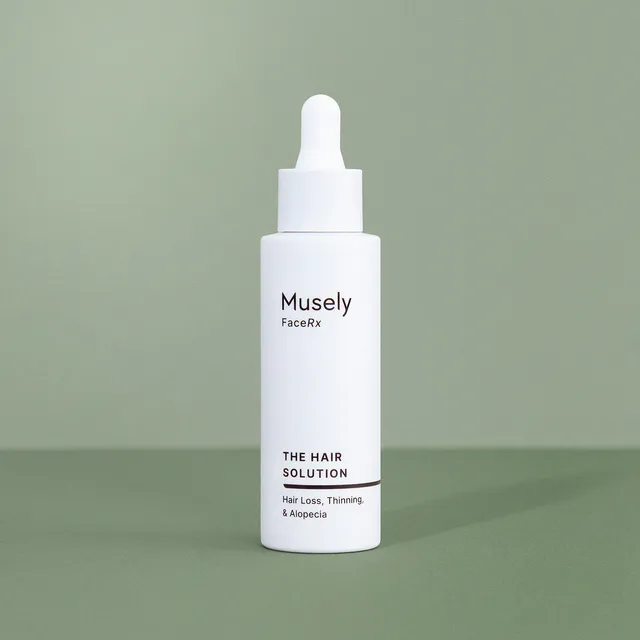
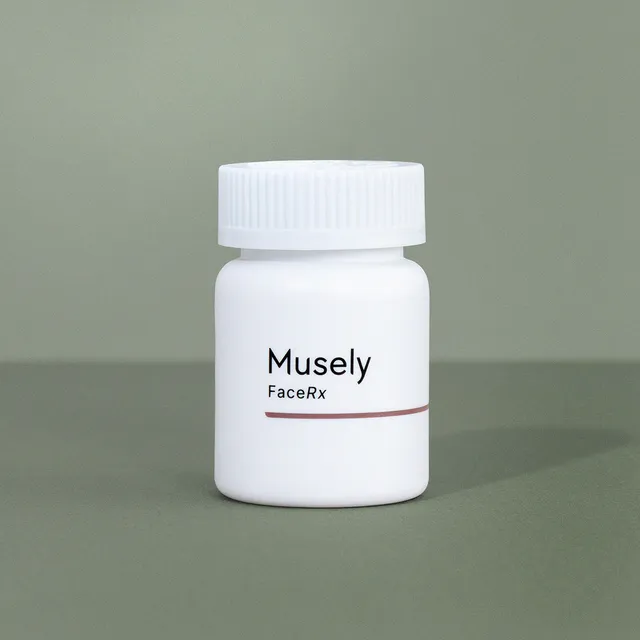
Musely offers various formulas of effective hair loss treatments for men, including The Hair Pill and The Hair Solution. The Hair Pill, an oral hair loss treatment is formulated with Minoxidil and Dutasteride to promote hair growth and stop hair loss. It also includes additional supplements such as Biotin, Zinc, Folic Acid and Vitamin C & D that help support healthier hair, skin and nails. The Hair Solution is a topical hair loss treatment that contains Minoxidil, Dutasteride and other prescription strength ingredients that are clinically proven to promote hair growth in men. The combination of ingredients in both treatments are designed to block the hormones that cause hair loss and help to encourage hair growth.
Male pattern baldness is a common genetic condition that affects the majority of men in the world, with most men reporting that hair loss drastically effects their self-esteem. However, the majority of men decide to opt out of trying hair growth treatments. Although, the condition is common and often left untreated, it is important for men to understand that there are ways to treat male hair loss and regrow hair. The Hair Pill and The Hair Solution are clinically proven to stimulate hair growth and prevent further hair fall in men with balding hair. Whether Musely’s hair growth treatments are the first or last thing to try for male bald hair, balding head or bald spots, it is worth it! Just look at the reviews.