Why Everyone’s Talking About Exosomes in Skincare Right Now
Walk into any dermatologist’s office or scroll through skincare TikTok, and chances are you’ll hear the word exosomes more than once. This buzzworthy skincare ingredient is gaining attention for its high-tech origins and impressive regenerative potential—and it’s not just hype. Backed by emerging science and real-world results, exosomes are poised to become the next big thing in anti-aging and skin rejuvenation.
But what exactly are exosomes, and why are they suddenly the talk of the beauty world? In this article, we’ll break down the science, explain why they matter, and help you decide if exosome-based products deserve a spot in your skincare lineup.
What Are Exosomes?
At a glance, exosomes might sound like another marketing buzzword. But in reality, they’re a powerful biological tool with roots in advanced medical research. Exosomes are microscopic vesicles (think tiny messengers) that are released by cells, particularly stem cells, to communicate with other cells in the body.
These nano-sized particles carry critical information in the form of proteins, lipids, and genetic material. In the context of skincare, their role is especially exciting: they can signal skin cells to regenerate, repair damage, and reduce inflammation. Think of them as the high-tech messengers that help your skin heal and renew from within.
Most skincare-grade exosomes are derived from human mesenchymal stem cells (MSCs), which are known for their healing and regenerative properties. When introduced to the skin in a topical product, these exosomes can promote healthier, younger-looking skin by mimicking the body’s natural repair signals.
Why Exosomes Matter in Skincare
If exosomes sound similar to other popular skincare ingredients like peptides or growth factors, it’s because they’re part of the same conversation, but with some critical differences. Exosomes don’t just introduce ingredients to your skin; they help direct how your skin behaves.
Here’s what makes them such a compelling addition to modern skincare:
Stimulate collagen and elastin production: These proteins are key to keeping skin firm, smooth, and youthful.
Accelerate wound and scar healing: Exosomes may help reduce the appearance of acne scars, fine lines, and skin trauma.
Improve skin texture and tone: By supporting cellular communication, exosomes can even out discoloration and boost brightness.
Calm inflammation: This makes them especially helpful for people dealing with sensitive skin or conditions like rosacea.
By facilitating communication between skin cells, exosomes essentially “coach” your skin to function more like it did when it was younger. That’s a major win for anyone dealing with age-related skin changes or stubborn skin conditions.
Clinical Benefits: What the Research Shows
Exosomes may be new to the skincare scene, but they’ve been studied extensively in regenerative medicine. Researchers have found that exosomes derived from MSCs can aid in tissue repair, immune regulation, and inflammation reduction, all of which translate beautifully into cosmetic applications.
In clinical settings, exosome treatments have been used for:
Post-laser recovery: Patients who applied exosome serums after laser resurfacing healed faster and experienced less redness and irritation.
Acne scar reduction: A 2020 study in the Journal of Clinical and Aesthetic Dermatology found that exosome-infused microneedling improved skin texture and minimized acne scars more effectively than microneedling alone.
Anti-aging: Exosomes have been shown to promote fibroblast proliferation, the cells responsible for producing collagen, which helps smooth wrinkles and restore elasticity.
Though more large-scale studies are needed, early findings support what many dermatologists and patients are already seeing: exosomes are a legitimate, science-backed addition to advanced skincare regimens.
Exosomes vs. Other Skincare Innovations
It’s easy to wonder how exosomes fit into a world already filled with potent actives like retinol, peptides, vitamin C, and beyond. The good news? You don’t have to choose one over the other. Exosomes aren’t a replacement; they’re a reinforcer.
Whereas:
Retinoids speed up cell turnover,
Vitamin C fights pigmentation and oxidative stress,
Peptides support hydration and repair,
Exosomes work more holistically, delivering signals that activate a wide range of regenerative processes. They help your skin use its own resources more efficiently. And because they’re derived from natural cellular functions, they’re often better tolerated even by sensitive skin types.
Think of exosomes as the conductor in an orchestra: while each instrument (or skincare ingredient) plays a role, exosomes help them work together in harmony for better overall results.
Are Exosomes Safe? What You Need to Know
With any new skincare innovation, safety is a top concern and rightly so. Fortunately, most exosome-based products used in skincare are non-viable (i.e., they don’t contain live cells), which reduces the risk of immune reactions or side effects. Still, it’s essential to be selective about the products you use.
Here’s what to keep in mind:
Sourcing matters: High-quality exosomes are derived from medical-grade stem cells in a controlled lab environment.
Regulatory oversight is evolving: While exosomes are not currently classified as drugs by the FDA when used topically, the industry is moving toward greater standardization.
Formulation is key: Just adding exosomes to a serum doesn’t make it effective. The delivery method, concentration, and supporting ingredients all influence results.
Because of these complexities, it’s best to use exosome products recommended by dermatologists or trusted skincare platforms, like Musely, where medical expertise backs every treatment plan.
Who Should Use Exosome-Based Products?
Not every skincare trend is worth following but exosomes may be an exception for many people. They’re especially beneficial for those who are:
Experiencing early signs of aging (fine lines, dullness, sagging)
Dealing with uneven texture or acne scars
Recovering from in-office treatments like microneedling or lasers
Managing sensitive skin or rosacea, thanks to their anti-inflammatory effects
That said, exosome skincare is typically considered a more advanced, “booster” step in a routine. If you’re just starting out or have minimal skin concerns, you may not need them yet. But for anyone serious about skin rejuvenation or looking to elevate their regimen, exosomes could be a worthwhile addition.
Where to Find Quality Exosome Skincare
With rising interest comes a growing number of products claiming to contain exosomes. Not all are created equal. Look for:
Clinical backing: Are the products tested or supported by dermatologists?
Transparent sourcing: Are the exosomes derived from safe, reputable stem cell sources?
Proven results: Do they offer before-and-after images or clinical study references?
At Musely, we take pride in offering dermatologist-prescribed treatments that deliver visible results. While we continue to explore the most advanced and effective skincare ingredients, including innovations like exosomes, our focus remains on safety, science, and real skin transformation.
If exosome therapy becomes part of our offerings, you can trust that it will meet the highest standards of medical-grade skincare.
Final Thoughts: Fad or the Future of Skincare?
Skincare trends come and go, but the science behind exosomes suggests they’re here to stay. As our understanding of cellular communication deepens, so does our ability to harness that knowledge in powerful, skin-renewing ways. Whether you’re looking to reduce signs of aging, fade scars, or give your skin a youthful boost, exosomes might just be the next breakthrough your routine needs.
Curious if exosomes are right for your skin goals? Connect with a Musely dermatologist to get personalized guidance and discover what truly innovative skincare looks like.
Products In This Tip
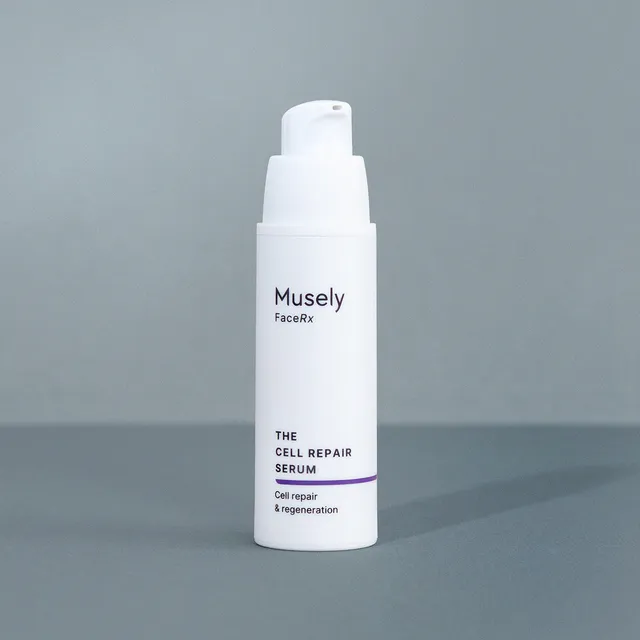
The Cell Repair Serum
Stimulates the body's natural regenerative properties and increases cell turnover with exosome infused serum