When Does Perimenopause Begin? Ages, Signs, and Timeline
If you’ve started noticing changes—like your sleep is off, your moods are unpredictable, or your periods have a mind of their own—you might be wondering if perimenopause has begun. It’s a question many people ask, often feeling confused about whether their symptoms are due to stress, aging, or hormones.
The truth is, perimenopause doesn’t start on a specific date. It’s a gradual transition leading up to menopause, and the journey is unique for everyone. While most people begin to notice shifts in their 40s, the signs can appear earlier or later.
Let's break down the typical age, early signs, and timeline of perimenopause so you can navigate this phase with clarity and confidence.
What is Perimenopause?
Perimenopause means "around menopause" and is the natural transition your body makes before your periods stop for good. During this time, estrogen and progesterone levels begin to shift and fluctuate, sometimes unpredictably. These hormonal changes can affect your menstrual cycle and cause a wide range of physical and emotional symptoms. These hormone levels can fluctuate unpredictably, leading to a wide range of symptoms long before you reach menopause.
Menopause is officially diagnosed when you have gone 12 consecutive months without a menstrual period. The average age for menopause in the U.S. is 52, but the perimenopause transition can start years earlier.
When Does Perimenopause Usually Start?
There is no single "perimenopause age." While most people begin noticing changes in their mid-to-late 40s, it's not uncommon for symptoms to appear in your late 30s or early 50s.
Several factors can influence when perimenopause begins for you:
Genetics: Your family history can offer clues. If you can, ask your mother or older sisters when they began their transition.
Lifestyle: Smoking has been linked to an earlier onset of menopause.
Medical History: Certain surgeries, like a hysterectomy, or past medical treatments can affect your timeline.
Early Signs of Perimenopause You Might Miss
The first signs of perimenopause are often subtle and easy to dismiss as stress or just a part of getting older. Many people feel like something is a little "off" but can't quite put their finger on it.
Here are some of the most common early perimenopause symptoms:
Changes in your period: This is often the first clue. Your cycle might become shorter or longer, your flow heavier or lighter, or you may experience more intense PMS.
Sleep problems: You might have trouble falling asleep, wake up frequently during the night, or feel less rested in the morning. Night sweats can also begin to disrupt your sleep.
Mood shifts: Increased irritability, anxiety, or feelings of sadness that seem to come out of nowhere can be tied to fluctuating hormones.
Brain fog: Difficulty concentrating, forgetfulness, and a feeling of mental cloudiness are common complaints.
Skin changes: Hormonal shifts can affect your skin's collagen production, leading to dryness, fine lines, or a loss of firmness. For women over 30 experiencing these signs, a prescription estriol cream may help boost collagen and combat hormonal aging.
Common Perimenopause Symptoms
As you move further into the transition, your symptoms may become more noticeable. It helps to understand them in clusters.
Hot Flashes and Night Sweats
These are the most well-known symptoms of perimenopause. You might feel a sudden, intense wave of heat spreading through your body, sometimes accompanied by a flushed face and sweating. When they happen at night, they're called night sweats and can seriously disrupt your sleep.
Sleep and Mood Changes
Trouble sleeping is a hallmark of perimenopause, often made worse by night sweats and anxiety. Hormone fluctuations can directly impact the brain chemicals that regulate mood, leading to increased irritability, sadness, and brain fog.
Body and Skin Changes
You might notice your body changing, even if your diet and exercise habits haven't. Some people experience joint aches, bloating, or a shift in weight distribution, often around the abdomen. Your skin may also feel drier or less elastic due to lower estrogen levels. If your primary concern is aging skin versus systemic menopause symptoms, you may want to learn more about the difference between The Aging Repair Cream and The Estrogen Boost.
Vaginal and Urinary Health
Declining estrogen can cause the tissues in your vagina and urinary tract to become thinner, drier, and less elastic. This can lead to vaginal dryness, discomfort during sex, and an increased risk of urinary tract infections (UTIs). These symptoms are very common and treatable.
The Perimenopause Timeline
Perimenopause doesn't follow a neat, predictable path, but it can be broken down into two main phases.
Early Stage
In the beginning, your menstrual cycle is still relatively regular, but you may notice it’s a few days shorter or longer than usual. Symptoms like mood swings, sleep issues, or subtle hot flashes may come and go. Many people in this stage attribute their symptoms to other causes, like stress.
Late Stage
As you get closer to menopause, your periods become much more irregular. It’s common to go 60 days or more between periods. During this time, symptoms like hot flashes may become more frequent and intense as your estrogen levels continue to decline.
How Long Does Perimenopause Last?
On average, perimenopause lasts for about four years, but for some, it can be as short as a few months or as long as a decade. The transition can range from two to eight years before periods stop completely.
Because the duration varies so widely, there's no way to predict your personal timeline. The good news is that you don’t have to just "wait it out." Treatments are available to help you manage symptoms and feel like yourself again.
How is Perimenopause Diagnosed?
A doctor can typically diagnose perimenopause based on your age, symptoms, and menstrual cycle patterns. You may be surprised to learn that a single blood test can't definitively confirm perimenopause. That's because your hormones can fluctuate dramatically from day to day.
However, your doctor may order blood tests to rule out other conditions with similar symptoms, like a thyroid disorder.
Getting a clear diagnosis is the first step toward relief. Through Musely’s telehealth platform, eligible patients can complete an online medical consultation and receive a personalized menopause treatment plan from a licensed medical provider, without the waiting room.
Best Treatment for Perimenopause
The best treatment is one that is personalized to your symptoms, health history, and preferences. We don't chase trends—we solve real problems with science-backed solutions.
Hormone Replacement Therapy (HRT)
Hormone replacement therapy is widely considered the most impactful treatment for many perimenopause symptoms, including hot flashes, night sweats, vaginal dryness, and sleep disturbances. HRT works by replacing the estrogen your body is no longer producing consistently.
Musely offers modern, bioidentical HRT options that are formulated by U.S. dermatologists and compounded fresh for you. These can help with everything from hot flashes and sleep disruptions to skin and hair changes. Options include:
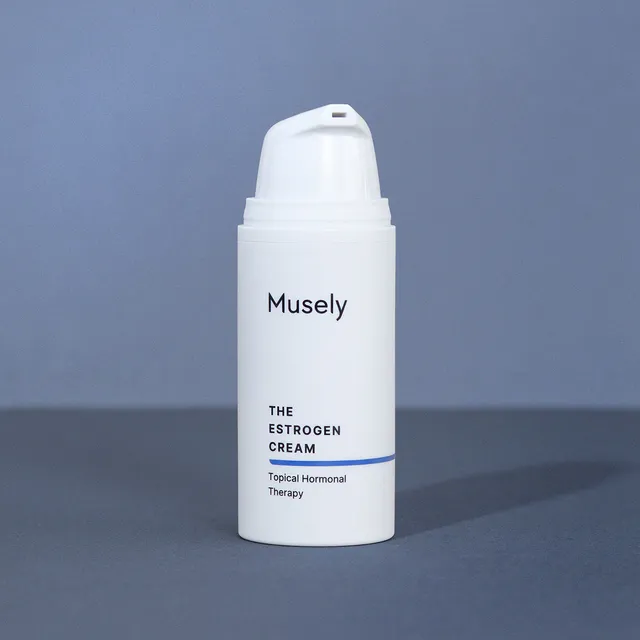
The Estrogen Cream: A topical cream applied to the skin to relieve a wide range of symptoms.
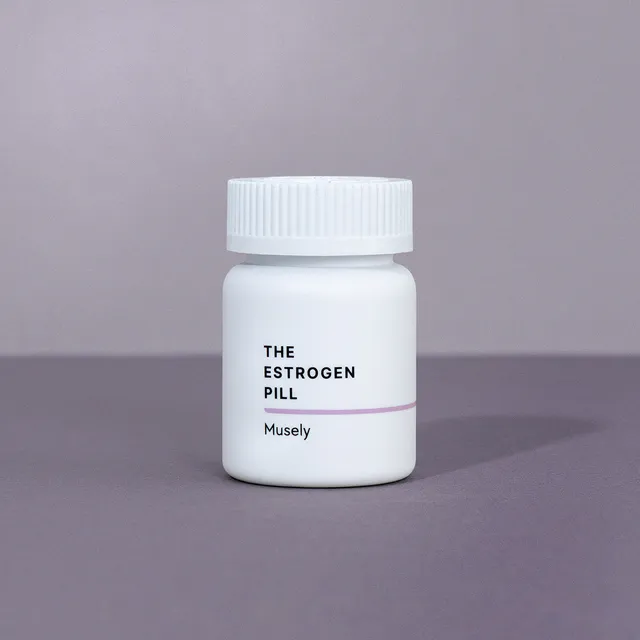
The Estrogen Pill: An oral HRT for women to relieve 25 common perimenopause and menopause symptoms.
While widely studied, HRT is not right for everyone. A thorough consultation with a doctor is essential to weigh the benefits against your personal risks. For example, HRT is not recommended for those with a history of certain cancers, blood clotting disorders, or who are over 60 and more than 10 years past menopause. Answering your questions about estrogen and your unique health profile is the first step in creating a plan that works for you.
Non-Hormonal Options
If HRT isn't right for you, other prescription medications, such as certain antidepressants, can help manage hot flashes and mood symptoms. Talk to your doctor to explore what might work best for you.
Lifestyle Adjustments
Simple lifestyle changes can make a big difference in managing your symptoms:
Prioritize Sleep: Stick to a consistent sleep schedule and create a cool, dark, and quiet bedroom environment.
Eat Balanced Meals: Focus on protein and fiber to keep your blood sugar stable and help manage weight changes.
Move Your Body: Regular exercise, especially strength training, can help with mood, sleep, and maintaining muscle mass.
Manage Stress: Practices like yoga, meditation, or deep breathing can help calm your nervous system and reduce anxiety.
When to Talk to a Doctor
You don’t have to wait until your symptoms are severe to seek help. Being proactive allows you to find solutions sooner. We've treated over 1 million patients and counting, and Musely’s team of experts is here to provide guidance and personalized care.
Be sure to seek prompt medical attention if you experience:
Very heavy bleeding (soaking a pad or tampon in an hour)
Bleeding between periods or after sex
Periods that suddenly stop, especially if you are under 40
Severe symptoms that interfere with your daily life
These can sometimes signal other health issues that need to be addressed.
Key Takeaways
Perimenopause typically begins in your mid-40s, but it can start earlier or later.
Early signs are often subtle, including changes in your period, sleep, mood, and skin.
The transition is marked by fluctuating hormones and can last anywhere from a few months to a decade.
A doctor usually diagnoses perimenopause based on your symptoms, not a single blood test.
Hormone replacement therapy (HRT) is a beneficial treatment for many symptoms, and lifestyle changes can also provide significant relief.
You don't have to navigate this alone. Expert help is available to create a personalized treatment plan for you.
Frequently Asked Questions (FAQs)
What are the first signs of perimenopause starting?
The earliest signs often include subtle changes to your menstrual cycle (like shorter or longer cycles), more intense PMS, sleep disruptions, and new or worsening mood swings or anxiety.
What is the average age for perimenopause?
Most people start perimenopause in their mid-to-late 40s. However, the age range is wide, and it's influenced by genetics, lifestyle, and medical history.
How do you know if a woman is in perimenopause?
A healthcare provider will typically diagnose perimenopause based on your pattern of symptoms, age, and changes in your menstrual cycle. It is a clinical diagnosis, not one based on a single lab test.
Can you still get pregnant during perimenopause?
Yes. As long as you are still having periods, even if they are irregular, you are still ovulating some of the time. If you do not wish to become pregnant, you should continue using contraception until you have gone 12 full months without a period.
Products In This Tip
More tips like this
Menopause Care
Comprehensive Menopause Care: HRT, Hair, Sleep & Mood

Guide to HRT/MHT
Does HRT Cause Cancer?

Menopause Care
The Perfect Rx Pair For Menopause
Menopause Symptoms
Estriol Face Cream: Menopause Skin Fix?
Menopause
Progesterone 101: What It Does, Normal Levels & How It Fits Into HRT

Menopause Symptoms
3 Common Skin Changes During Menopause

Menopause
Perimenopause Skin Care Tips: Combat Dryness & Fine Lines

Menopause Symptoms