Why Stubborn Hyperpigmentation Needs More Than OTC Brightening
Persistent dark spots, whether from melasma, sun exposure, or post-inflammatory hyperpigmentation, often resist the over-the-counter (OTC) brightening creams you’ll find on drugstore shelves. Ingredients like kojic acid, azelaic acid, and cysteamine can help fade mild discoloration over time, but for deeper or more stubborn pigment, their results tend to plateau.
This is where prescription hydroquinone stands apart. Dermatologists have long regarded it as the gold standard for targeted pigment correction. Unlike surface-level brighteners, hydroquinone works directly at the enzymatic level, suppressing tyrosinase, the enzyme responsible for melanin production. The result is a more reliable and faster fading of dark spots when used appropriately.
However, not all hydroquinone creams are created equal. The strength of the formula, the presence of supporting actives like tretinoin or hydrocortisone, and consistent dermatologic oversight all influence both the safety and success of treatment. For those who have tried OTC solutions without seeing meaningful change, it may be time to consider a prescription-strength option backed by clinical insight.
Hydroquinone 101: Science, Safety, and Why Strength Matters
Hydroquinone is one of the most extensively studied skin-lightening agents in dermatology, and for good reason: it works. Its mechanism is simple yet powerful: it inhibits tyrosinase, the rate-limiting enzyme in the production of melanin. By disrupting this step in the pigmentation pathway, hydroquinone slows or stops the formation of new pigment, allowing existing discoloration to fade with continued use.
Why Concentration Matters
Hydroquinone is no longer available over the counter in the U.S. All formulations now require a prescription due to FDA regulations. Prescription strengths typically range from 4% up to 12%, with higher concentrations providing a more aggressive treatment plan.
For example, Musely offers compounded prescriptions with up to 12% hydroquinone. This high potency is particularly effective for resistant hyperpigmentation, such as melasma or longstanding post-inflammatory marks, and can help patients who have plateaued on lower-strength treatments achieve further improvement.
Balancing Efficacy with Safety
Like any potent therapy, hydroquinone must be used with care. Higher concentrations can increase the risk of side effects such as dryness, irritation, or, in rare cases, rebound pigmentation. This is why supportive ingredients like topical corticosteroids (e.g., hydrocortisone) and barrier-restoring agents like niacinamide are often included in well-designed compounded formulas. These reduce inflammation and improve tolerability without compromising results.
Another critical factor is sun protection. Hydroquinone sensitizes the skin to UV damage, so diligent use of broad-spectrum sunscreen is non-negotiable. Without it, not only can progress be reversed, but new pigmentation can develop.
A Treatment, Not a Lifestyle
Hydroquinone is not meant for indefinite use. Dermatologists typically recommend using it in defined cycles, often no more than 3–6 months at a time. Then, it’s followed by maintenance with alternative brighteners or rotating to hydroquinone-free formulations. This approach minimizes long-term risks while preserving results.
In short, hydroquinone remains one of the most effective tools we have for hyperpigmentation but it requires the right strength, supportive ingredients, and clinical supervision to work safely and effectively.
Meet Musely’s The Spot Cream: High-Strength Hydroquinone, Personalized Formulas, and Digital Dermatology Oversight
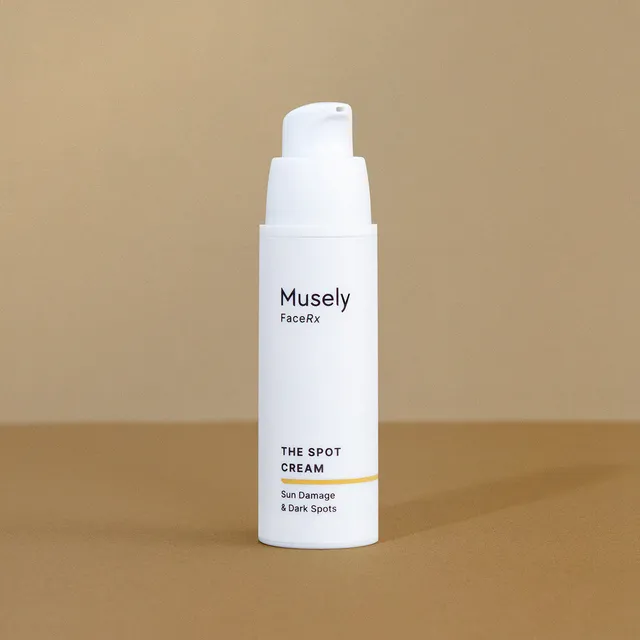
When it comes to prescription hydroquinone creams, not all formulas are equal and Musely’s Spot Cream stands out as a prime example of modern, patient-centered treatment. Designed specifically for patients struggling with stubborn dark spots, Musely’s formulations combine high-strength hydroquinone with supportive ingredients, personalized compounding, and continuous dermatologic care. And it’s all managed through an easy-to-use telehealth platform.
Potent Prescription Strengths: Up to 12% Hydroquinone
Musely’s dark spot remover has two core formulations:
Erase / M+: Features 12% hydroquinone, the highest concentration widely available via prescription. It also includes 2% niacinamide, with optional tretinoin 0.05% and hydrocortisone.
Nurture: A gentler option with 6% hydroquinone, plus 1% vitamin C and 2% niacinamide for added antioxidant and brightening support.
By offering strengths up to 12%, Musely addresses a key limitation of other providers, many of whom cap out at 4–8%. For patients with deeply rooted melasma or long-standing sun damage, this higher concentration can be the difference between partial fading and real clearance.
Not One-Size-Fits-All
Unlike mass-produced HQ creams, Musely compounds each prescription per patient. This allows for step-down treatment plans starting with high-dose hydroquinone and transitioning to HQ-free formulas once the spots fade. This personalized approach minimizes the risk of overuse while giving patients a path to long-term maintenance.
Built-In Tolerance Support
One of the most common reasons patients discontinue hydroquinone is irritation (redness, dryness, and peeling) can derail even the most promising regimen. To address this, Musely includes hydrocortisone in the first two months of treatment to counter inflammation and improve skin comfort. Ingredients like niacinamide also help calm the skin barrier and reduce sensitivity.
Virtual Dermatologist Oversight
Musely’s digital platform allows patients to consult with board-certified dermatologists and licensed providers from home. Beyond the initial prescription, Musely requires 60-day check-ins through their app to monitor progress, adjust treatment if needed, and ensure safety. This follow-up care is a crucial differentiator, helping reduce misuse and increase adherence, especially for a drug as powerful as hydroquinone.
Affordable, Guaranteed Results
Priced at $36/month (billed every 60 days), Musely’s Spot Cream offers a compelling cost-to-potency ratio. For those who are skeptical after past treatment failures, Musely even includes a “Results Guarantee”: if 90% of spots haven’t lightened within 60 days (per their terms), patients can request a refund.
In short, Musely isn’t just offering a product, it’s offering a full treatment experience, with personalized care, high-potency options, and built-in dermatologic guidance.
The Competitive Landscape: What Other Players Offer and Where They Fall Short
While Musely sets a high bar with its potent hydroquinone options and integrated dermatologic care, it’s not the only player in the skin-lightening space. Several teledermatology platforms and over-the-counter (OTC) brands offer products aimed at fading dark spots. However, key differences in hydroquinone strength, personalization, and follow-up support distinguish these alternatives and often reveal their limitations.
Musely vs. Agency (Curology)
Agency, a brand by the creators of Curology, offers customized dark spot formulas that often include hydroquinone (typically in the 4–8% range), along with ingredients like azelaic acid, kojic acid, resveratrol, and tretinoin. Patients receive personalized blends and can message a dermatologist between refills.
Where it falls short: Agency’s formulas max out at 8% HQ and are not tailored for those needing stronger intervention.
Musely vs. Nurx
Nurx keeps it simple offering a 4% hydroquinone cream shipped every three months for around $30/month. It’s a no-frills option for those looking for basic access to prescription HQ.
Where it falls short: Nurx’s formula lacks supporting ingredients (like niacinamide or hydrocortisone), personalization, and any meaningful progress tracking. It may work for mild hyperpigmentation but isn’t built to manage complex or stubborn cases.
Musely vs. Miiskin
Miiskin offers a one-time photo consult ($59), after which users can pick up a hydroquinone prescription (2–4%) at a pharmacy of their choice. It’s a flexible, pay-as-you-go model.
Where it falls short: Miiskin’s hydroquinone concentrations are limited to a maximum of 4%. There’s also no integrated care plan or ongoing dermatologist oversight, which may be challenging for users new to prescription skincare. In contrast, Musely offers a $20 online doctor visit, personalized formulations up to 12% hydroquinone, and direct delivery to your door—combining medical guidance with maximum convenience.
Musely vs. Obagi Nu-Derm
Obagi’s Nu-Derm Clear Rx is a trusted name in clinical dermatology and contains 4% hydroquinone. It’s available only through physician offices as part of a broader system, often including cleanser, toner, and exfoliants.
Where it falls short: At $129 for 2 oz, Obagi is the most expensive option and requires an in-person visit to purchase. It also lacks virtual support and doesn’t offer customized blends or application oversight.
Musely vs. OTC Alternatives
Brands like Urban Skin Rx and Dear Brightly market themselves as gentler, melanin-inclusive, or texture-focused options. They rely on retinol, kojic acid, and vitamin C, rather than hydroquinone, making them popular among consumers seeking pregnancy-safe or barrier-friendly routines.
Where they fall short: These OTC formulas are slower to work and less effective for deep melasma or post-inflammatory pigmentation. Without tyrosinase inhibition from HQ, they offer incremental improvements rather than clinical fading especially in more severe cases.
Patient Proof: 60-Day Guarantee and Before/After Evidence
In clinical dermatology, we always ask two key questions before recommending any treatment: Does it work? And is it tolerable long enough for patients to stay the course? Musely answers both with a compelling combination of real-world results and patient-centered safeguards.
Visibly Noticed: Before and After Client Results
Musely’s patient gallery offers clear visual proof of its Spot Cream’s effectiveness. These before-and-after photos highlight a diverse range of patients, different ages, skin tones, and pigment patterns, all showing visible fading of melasma, sun spots, and post-acne hyperpigmentation. Importantly, most photos reflect a typical 60-day treatment period, not cherry-picked outliers after months of use.
Unlike many brands that rely on ideal lighting or filters in marketing photos, Musely’s documentation is consistent and transparent. Patients are encouraged to track their own progress using the Musely app, creating a feedback loop between the user and their provider. This visibility empowers users to continue with confidence or make informed adjustments if needed.
A Money-Back “Results Guarantee”
One of the most unique aspects of Musely’s program is its 60-Day Results Guarantee. If your dark spots haven’t lightened by at least 90% in that time (per their provider-evaluated guidelines), you may be eligible for a full refund—a rare safety net in the world of prescription skincare.
To qualify, patients must follow the protocol outlined in the Musely app, including applying the product as directed, uploading progress photos, and completing the required check-ins. This built-in accountability reinforces healthy treatment habits and improves outcomes across the board.
Real-World Adherence with Virtual Oversight
Adherence is one of the most underestimated factors in treatment success. Many patients stop using hydroquinone too early, either because of irritation or loss of motivation, when results take time. Musely addresses both challenges with:
Hydrocortisone in the first 2 months to soothe irritation.
Dermatologist follow-ups at 60 days to evaluate progress and make any needed adjustments.
This model mimics the care of an in-office dermatology practice: only it happens privately in your own comfortable space.
Action Steps: Who Is (and Isn’t) a Candidate for Hydroquinone-Based Therapy
Hydroquinone is a powerful tool for treating stubborn pigmentation but it’s not appropriate for everyone. As board-certified dermatologists, we assess both the pigment type and the patient profile before prescribing high-strength HQ creams like Musely’s Spot Cream.
Ideal Candidates for Hydroquinone
You’re likely a good fit for hydroquinone if:
You have melasma, sun spots, or post-inflammatory hyperpigmentation (e.g., from acne or eczema).
You’ve tried OTC products (vitamin C, kojic acid, azelaic acid) with limited results.
You are not pregnant or breastfeeding.
You can commit to daily sunscreen use and a short-term treatment plan (typically 8–12 weeks).
You prefer medical-grade results and are open to virtual dermatology care.
Patients with medium to deep skin tones may benefit significantly from hydroquinone, but they also require careful monitoring to avoid irritation. That’s where platforms like Musely, with dermatologist oversight and customized formulas, can make a real difference.
Who Should Avoid Hydroquinone?
Hydroquinone should be avoided or delayed in the following situations:
Pregnancy and breastfeeding: Although data on topical use is limited, most dermatologists recommend erring on the side of caution.
Active eczema or broken skin in the treatment area: This increases absorption and risk of irritation.
History of allergy to hydroquinone or chronic sensitivity to strong topicals.
Inability or unwillingness to use daily sunscreen. UV exposure during HQ use can worsen pigmentation and increase the risk of rebound discoloration.
In these cases, gentler alternatives like azelaic acid, licorice root extract, or retinoids may be better suited especially if the goal is maintenance or mild fading over time.
Sunscreen Is Non-Negotiable
No matter how effective your treatment plan is, it will fail or backfire without rigorous sun protection. Hydroquinone sensitizes the skin and disrupts pigment formation. Without broad-spectrum SPF, UV rays can undo your progress or create new discoloration.
Dermatologists recommend:
SPF 30 or higher, broad-spectrum.
Daily application even on cloudy days or when indoors near windows.
Physical blockers like zinc oxide or titanium dioxide for sensitive skin types.
Adding antioxidants (e.g., vitamin C serum in the morning) can further protect against UV-induced pigmentation and support brighter skin overall.
Start Your Treatment with Musely: Final Thoughts and Clinical Considerations
For patients struggling with dark spots that don’t budge, despite diligent use of over-the-counter serums or natural remedies, prescription hydroquinone may finally offer the clarity they’re looking for. Musely’s Spot Cream not only delivers up to 12% hydroquinone, but does so in a way that’s safe, personalized, and guided by dermatology professionals.
Why Choose Musely?
High-efficacy formulas: Musely is one of the only providers to routinely compound hydroquinone at 12%, delivering more aggressive treatment than standard 4% creams.
Custom compounding: Each prescription is tailored with active boosters like tretinoin, niacinamide, and hydrocortisone.
Dermatologist oversight: From your initial virtual consult to your required 60-day follow-up, you’re never left to figure things out on your own.
Results-backed confidence: With a unique 60-day money-back guarantee, Musely stands behind its outcomes something few prescription providers offer.
Caution for Certain Populations
While hydroquinone is FDA-approved and widely used, it’s not suitable during pregnancy or breastfeeding, and should be avoided in patients with a known sensitivity or who cannot commit to daily sunscreen use. Fortunately, Musely’s providers will help guide those patients to safer alternatives or maintenance regimens.
Your Next Step
If you’ve plateaued with your current routine or you’re starting to feel the toll of lingering pigmentation, it’s worth consulting with a dermatologist. Musely offers an easy, affordable way to access professional-grade treatment from the comfort of your home.
👉 Start your online consult with Musely. Just answer a few questions, upload photos, and a licensed provider will guide your care from day one.
Products In This Tip
More tips like this
Dark Spots & Melasma
Hydroquinone 12% vs 2%: What Concentration Does the Science Support?

Dark Spots & Melasma
It Works- The Spot Cream
Dark Spots & Melasma
Fast Hydroquinone Rx Online: Clear Dark Spots in Weeks

Dark Spots & Melasma
Clearer Skin: Getting Rid of Dark Spots

Dark Spots & Melasma
How To Get Rid Of Dark Spots And Hyperpigmentation

Dark Spots & Melasma
60 Days Later ..
Dark Spots & Melasma
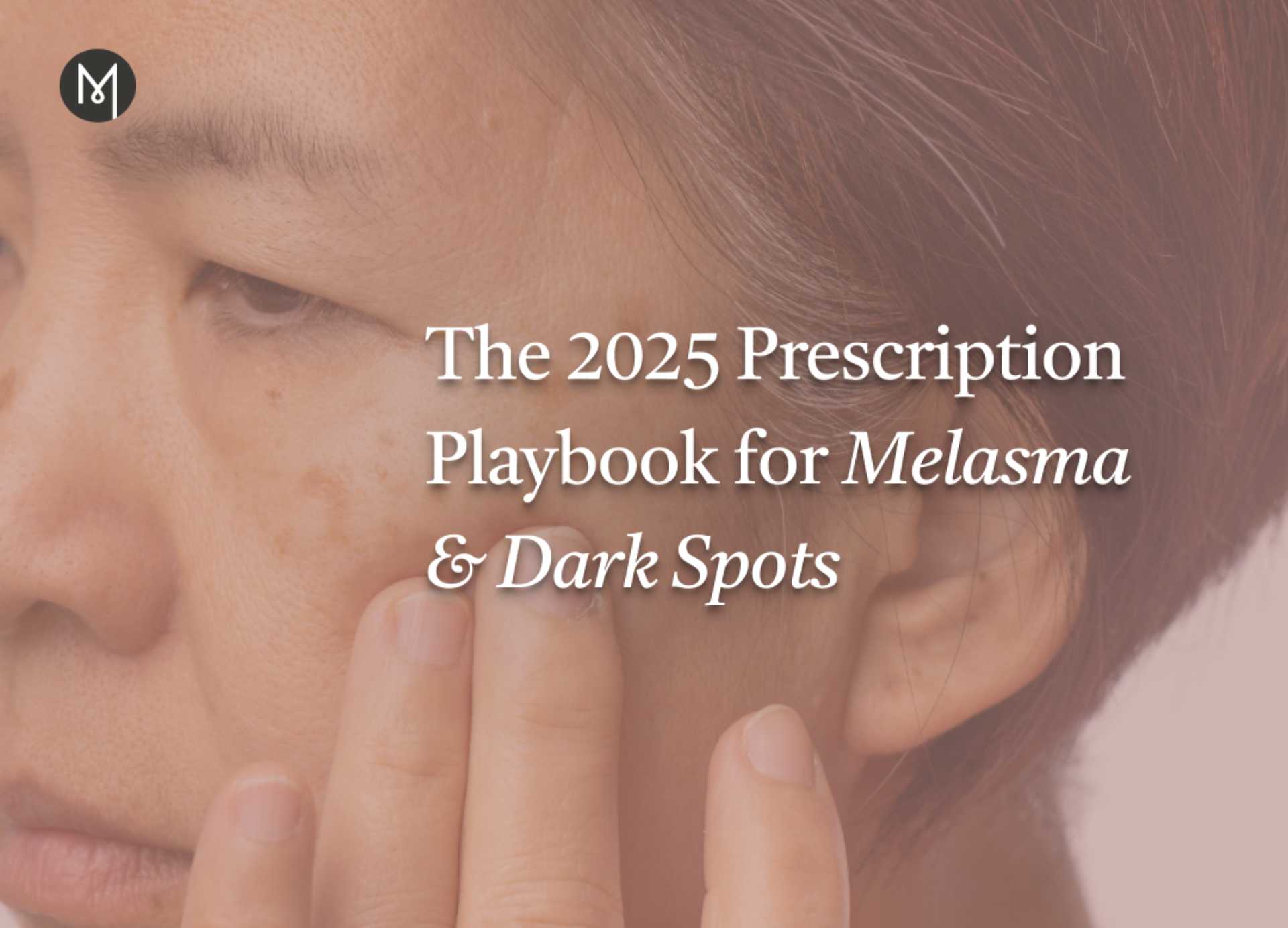
The 2025 Prescription Playbook for Melasma & Dark Spots

Dark Spots & Melasma