Tretinoin or Retinol? Decoding the Best Option for Anti-Aging and Acne
Article Summary
Tretinoin and Retinol are Vitamin A derivatives with overlapping benefits, but their potency, usage, and results vary, making it crucial to choose the right option for your skincare needs.
Tretinoin: Prescription-strength, faster results, ideal for severe acne, advanced aging, and pigmentation issues, but may cause irritation.
Retinol: Gentler, over-the-counter, suitable for sensitive skin, beginners, and gradual anti-aging improvements.
Shared Benefits: Both stimulate collagen, improve skin texture, treat acne, and reduce hyperpigmentation.
Choosing the Right Option: Consider your skin type, concerns, and tolerance for side effects; consult a dermatologist for tailored advice.
Pro Tip: Use sunscreen and moisturizers alongside retinoids to maximize benefits and minimize irritation.
Few ingredients have stood the test of time like retinoids for anti-aging skincare. Tretinoin and retinol are two of the most popular and effective retinoids available. While both are derived from Vitamin A and share many similarities, knowing how they are different is critical to find out which one will be more effective for your skin’s unique needs. Whether it’s acne, signs of aging, or having a more radiant complexion, understanding how tretinoin and retinol work can help you make an informed choice.
The following explains the strengths of each ingredient, what they are best suited for, and how they compare in delivering transformative skin results.
What Is Tretinoin?
Tretinoin, also known as all-trans retinoic acid, is a prescription-strength retinoid that has been a cornerstone of dermatology for decades. It is a potent active ingredient that works by increasing skin cell turnover, stimulating collagen production, and improving the overall quality of the skin. Unlike retinol, which must be converted into retinoic acid by the skin before becoming active, tretinoin is already in its active form, making it faster and more effective.
“Tretinoin is the only form of topical vitamin A that is officially clinically indicated for addressing aging from the sun and improving the appearance of wrinkles.” (Source: National Library of Medicine, A Clinician’s Guide to Topical Retinoids, July 2021)
Tretinoin was initially developed for treating acne, and it remains a go-to solution for dermatologists addressing moderate to severe acne cases. Over time, its powerful anti-aging benefits—such as reducing fine lines, wrinkles, and hyperpigmentation—have made it equally popular for those looking to maintain youthful skin. However, its strength comes with potential side effects, including redness, dryness, and peeling, particularly in the early stages of use. For this reason, it’s typically prescribed and monitored by a healthcare professional.
What Is Retinol?
Retinol is a milder, over-the-counter retinoid that has gained immense popularity for its accessibility and versatility. Like tretinoin, it is derived from Vitamin A and offers similar benefits: smoother skin, improved tone, and reduced signs of aging. However, retinol requires conversion into retinoic acid within the skin to become active, which makes it less potent and slower to deliver results compared to tretinoin.
Because of its gentler nature, retinol is an excellent choice for those new to retinoids, individuals with sensitive skin, or those looking for a less aggressive approach to skincare. It’s widely used in serums and creams marketed for anti-aging, brightening, and acne prevention. While results take longer to become noticeable, retinol remains an effective and reliable option for improving skin health over time.
When should I use tretinoin in my skincare routine?
Tretinoin shines as a powerhouse ingredient for addressing more severe or advanced skin concerns. Its prescription-strength formulation makes it highly effective, but this also means it requires careful use and patience as your skin adjusts.
If you have moderate or severe acne
Tretinoin is one of the most effective treatments for moderate to severe acne. By speeding up skin cell turnover, it prevents dead skin cells from clogging pores, a key factor in the development of acne. It also helps reduce inflammation, leading to clearer skin over time. For those struggling with persistent or cystic acne, tretinoin is often part of a comprehensive treatment plan.
You want a more advanced anti-aging treatment
Tretinoin’s ability to stimulate collagen production makes it an unparalleled choice for combating deeper wrinkles and significant sun damage. It works at a cellular level to repair and renew the skin, making it ideal for those with visible signs of aging, such as pronounced fine lines, uneven texture, and loss of elasticity. Clinical studies consistently show that tretinoin improves skin’s firmness and minimizes the appearance of age-related changes.
Experiencing hyperpigmentation and melasma
For stubborn discoloration, including melasma and dark spots, tretinoin’s exfoliating properties help fade pigmentation by encouraging the growth of new, evenly pigmented skin cells. It is often combined with other treatments like hydroquinone for maximum effectiveness in treating hyperpigmentation.
When you just want faster results
Due to its potency, tretinoin delivers visible results more quickly than retinol. Many users notice improvements in skin texture and tone within six to eight weeks of consistent use, although full results can take several months.
When should I choose Retinol for skincare?
Retinol offers a gentler, more accessible alternative to tretinoin, making it ideal for individuals with sensitive skin or those who prefer to ease into a retinoid routine. While it may not deliver results as quickly as tretinoin, its benefits are still substantial when used consistently.
When you’re first getting started with retinoids
Retinol is the perfect starting point for anyone new to retinoids. Its lower potency minimizes the risk of side effects such as peeling and irritation, which are common with stronger formulations. This makes it an excellent choice for individuals with sensitive or reactive skin who want to experience the benefits of retinoids without the initial discomfort.
You want gradual anti-aging improvements
While retinol works more slowly than tretinoin, it is still effective in reducing fine lines, improving skin tone, and boosting collagen production. For those in their 20s or early 30s looking to address the first signs of aging, retinol is a great preventative measure that’s both effective and gentle enough for long-term use.
For general skincare maintenance
For individuals who have used tretinoin in the past and want to transition to a less intense routine, retinol can serve as a maintenance option. It helps sustain the results achieved with stronger treatments while being easier to incorporate into daily skincare.
What are tretinoin and retinol both useful for in skincare?
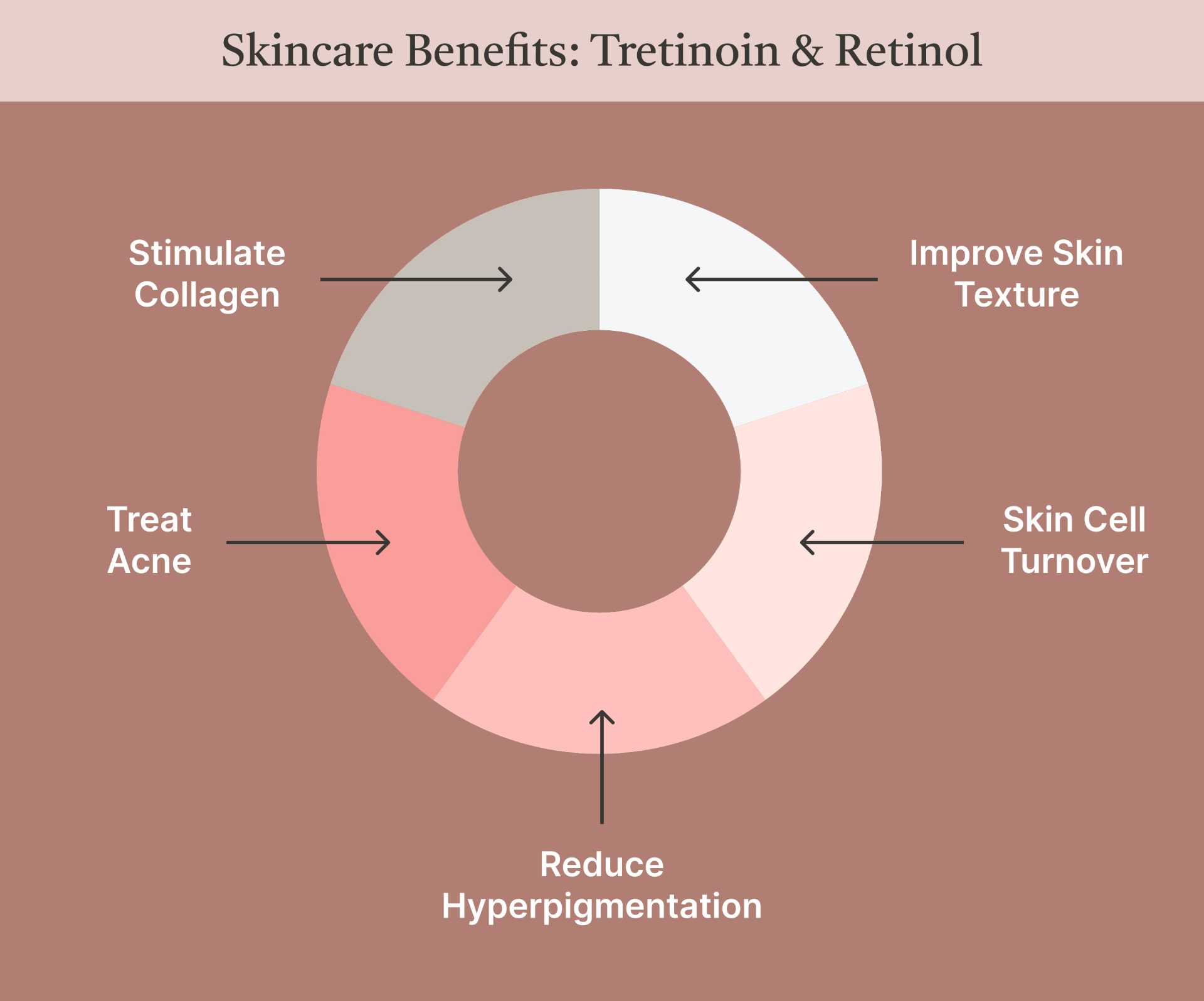
Despite their differences, tretinoin and retinol share many overlapping benefits that make them invaluable in skincare. Both work by stimulating collagen production, increasing skin cell turnover, and improving the skin’s overall health and appearance.
Stimulating collagen
Both tretinoin and retinol are proven to enhance collagen synthesis, which helps reduce the appearance of fine lines and wrinkles. This makes them key players in any anti-aging skincare routine.
Turning over skin cells
By accelerating the shedding of dead skin cells, both ingredients promote a brighter and smoother complexion. They help clear pores, reduce rough texture, and encourage the growth of fresh, healthy skin.
Treating acne
Both retinol and tretinoin are effective in treating acne, although tretinoin is more suited for severe cases. By unclogging pores and regulating skin cell turnover, they help prevent breakouts and reduce existing blemishes.
Reducing hyperpigmentation and uneven skin tone
Both ingredients can fade dark spots, sun damage, and discoloration, leading to a more even skin tone with consistent use. While tretinoin is faster at delivering these results, retinol remains a reliable option for gradual improvement.
Improving your skin’s texture
Whether you’re dealing with rough patches, enlarged pores, or dullness, both tretinoin and retinol help refine the skin’s texture and leave it feeling smoother and softer.
Can I Use Tretinoin and Retinol Together?
While both tretinoin and retinol are highly effective skincare ingredients, using them together is generally not recommended due to their similar mechanisms of action and the potential for increased irritation. Since both promote skin cell turnover and collagen production, layering them could lead to excessive dryness, redness, and peeling, especially for individuals with sensitive skin.
That said, there are scenarios where alternating their use might be beneficial. For example, some individuals choose to use tretinoin on specific days of the week and retinol on other days to minimize irritation while still benefiting from the properties of both. This approach can be especially helpful for those transitioning from retinol to tretinoin or for those looking to maintain results with a milder option on days they’re not using tretinoin.
If you’re considering incorporating both into your routine, it’s essential to consult with a dermatologist. They can help design a regimen tailored to your skin’s needs and tolerance levels. Additionally, always pair retinoids with a good moisturizer and broad-spectrum sunscreen to protect and hydrate your skin.
How do I pick between Tretinoin and Retinol for my specific skin type and conditions?
The choice between tretinoin and retinol ultimately depends on your skin’s needs, your tolerance for side effects, and your skincare goals. If you’re dealing with severe acne, advanced signs of aging, or stubborn pigmentation, tretinoin’s potency might be worth the initial adjustment period. However, if you’re just starting out with retinoids or have sensitive skin, retinol offers a gentle yet effective introduction to these powerhouse ingredients.
By understanding the unique uses for and strengths of tretinoin and retinol, you can best choose the one that’s suited for your journey to healthier, more radiant skin. When you work with Musely, one of our board-certified dermatologists will guide you on the right formulation for your specific needs.
Regardless of which option you choose, consistency is key. Both tretinoin and retinol require regular use over several months to deliver their full benefits. Pairing them with a good moisturizer and diligent sun protection will also help minimize side effects and protect your skin as it renews itself. Follow the guidance of your medical professional.
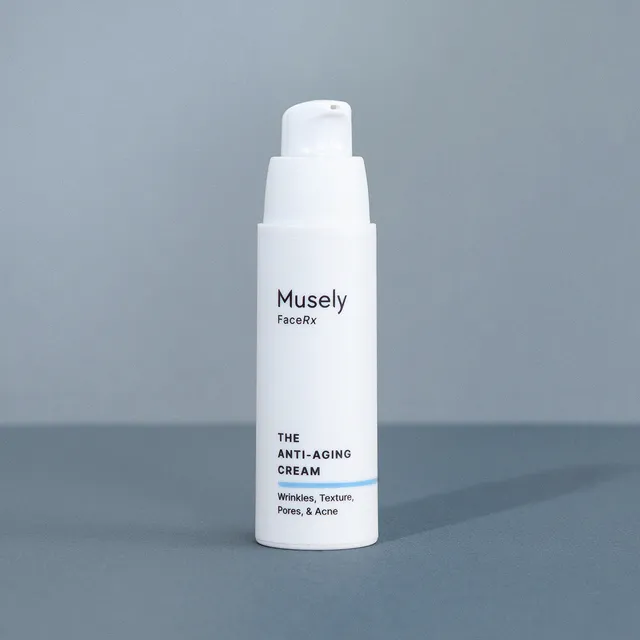
Products In This Tip
More tips like this

Anti-Aging
Melanie Face-Rx Testimonial

Anti-Aging
Stop The Clock On Your Skin Before It's Too Late

Anti-Aging
Tretinoin Basics: Step‑by‑Step Guide for Clearer Skin

Anti-Aging
Eradicate Years Of Wrinkles In 60 Days, Guaranteed!
Anti-Aging
5 Signs Your Skin Is Aging Faster Than You Are (And What You Can Do About It)

Anti-Aging
An Anti-Aging Skincare Guide For Women After 30

Anti-Aging
Exosome 101

Anti-Aging