The Science of Skincare for Skin of Color

Reviewed by Dr. Marie Jhin,
Board Certified Doctor
Written by Musely Editorial Team
Posted on
Why Science‑Backed Advice Matters
Skin is not one-size-fits-all. Skin of color skincare requires a thoughtful, evidence-based approach - especially for Fitzpatrick types IV–VI, which include individuals with African, Latin, Asian or Middle Eastern heritage.
Yet dermatology has historically underrepresented these skin tones in clinical trials and professional education. That gap can lead to ineffective—or even harmful—advice when managing pigmentation, sensitivity, or scarring in melanin-rich skin.
Understanding the science of skin of color skincare is the first step toward safer, more effective treatment plans tailored to the needs of diverse skin types.
Melanin-Rich Skin Biology 101
The biology of darker skin tones differs in subtle but meaningful ways from lighter complexions. These differences impact how skin reacts to inflammation, UV exposure, and certain ingredients.
Key Differences:
Stratum corneum thickness: Skin of color typically has a more compact outer layer, offering natural UV resistance but also increasing the risk of clogged pores.
Transepidermal water loss (TEWL): Higher TEWL rates are common, which can make hydration and melanin-rich skin barrier support especially important.
Fibroblast and mast cell density: More active fibroblasts mean a higher risk of scarring and pigmentation after injury or inflammation.
These factors explain why seemingly routine treatments can lead to post-inflammatory hyperpigmentation treatment needs when applied without customization.
Top Concerns for Skin of Color
People with melanin-rich skin often experience unique or exaggerated versions of common skin concerns.
1. Hyperpigmentation & Post inflammatory Pigmentation
By far the most common concern, hyperpigmentation in skin of color can develop from acne, bug bites, eczema, or even minor irritation. Because melanin production is more reactive, inflammation easily leads to persistent dark marks.
2. Melasma
Hormone-driven melasma is common in all skin types but often more visible and harder to treat in skin of color. It requires long-term management with strict sun protection and brightening agents.
3. Acne Keloidalis
This chronic form of folliculitis often affects the back of the neck and scalp, mostly in men with curly hair. Improper shaving and inflammation can worsen scarring.
4. Sensitivity to Lasers & Peels
Many cosmetic procedures were originally tested only on light skin. Without proper adjustments, lasers and strong acids can trigger rebound pigmentation in patients with deeper skin tones.
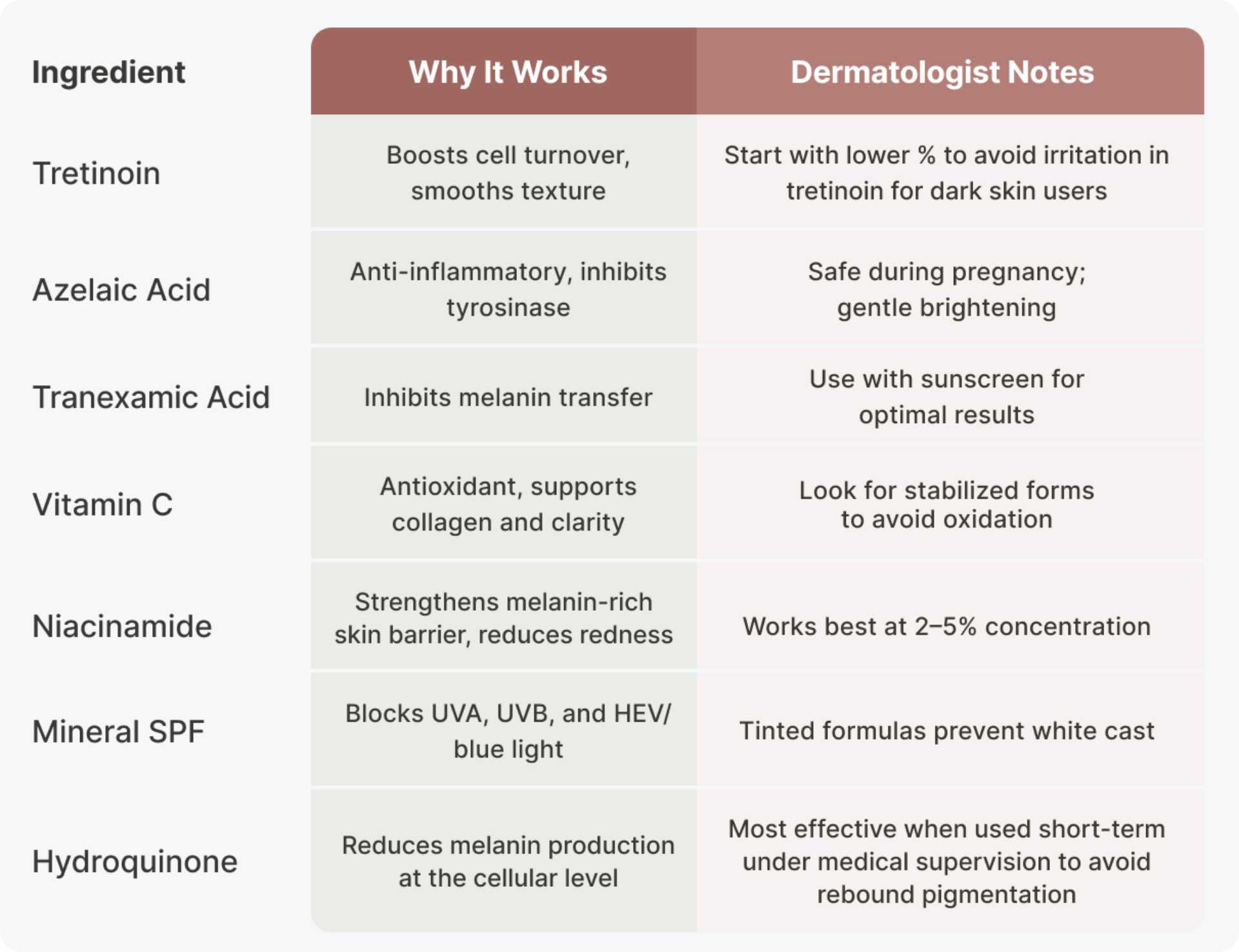
Ingredient Deep‑Dive
Myths & Misconceptions
Misinformation can undermine progress—especially in skin of color skincare. Let’s debunk a few persistent myths:
“Darker skin doesn’t need sunscreen.”
False. Melanin offers some UV protection, but it’s not enough to prevent melasma or PIH. Broad-spectrum SPF is critical.
“All dark spots are the same.”
False. Post-acne pigmentation, melasma, and sun damage may look similar but require different treatment approaches.
“Harsh products work faster.”
False. Aggressive acids and peels can backfire in skin of color, triggering rebound pigmentation or even permanent scarring.
Best‑Practice Routine Framework
A science-backed routine for skin of color skincare should focus on minimizing irritation while maximizing efficacy:
Cleanser: Gentle, non-stripping formulas to preserve the lipid barrier
Treatment serum: Target hyperpigmentation with ingredients like tranexamic acid or azelaic acid
Moisturizer: Hydrating but non-comedogenic, with niacinamide or ceramides
Tinted mineral SPF: Protects against UVA, UVB, and visible light without leaving a white cast
Weekly exfoliation tip: Use enzyme-based or low % AHAs no more than once or twice per week, and never combine with retinoids the same night.
Choosing the Right Concentrations & Formulations
Formulation matters just as much as the ingredient list—especially when treating sensitive, pigment-prone skin.
Always patch test new products for 48 hours
Avoid high-percentage AHAs or prescription retinoids without dermatologist guidance
Consider slow-release (encapsulated) formulas when available
Patients using post-inflammatory hyperpigmentation treatment products should also layer antioxidants and barrier-supporting ingredients to prevent setbacks.
How Musely’s Dark Spot Care Addresses Skin of Color
Musely’s telehealth model was designed to deliver personalized dermatology at scale—and that includes skin of color skincare.
Key Features:
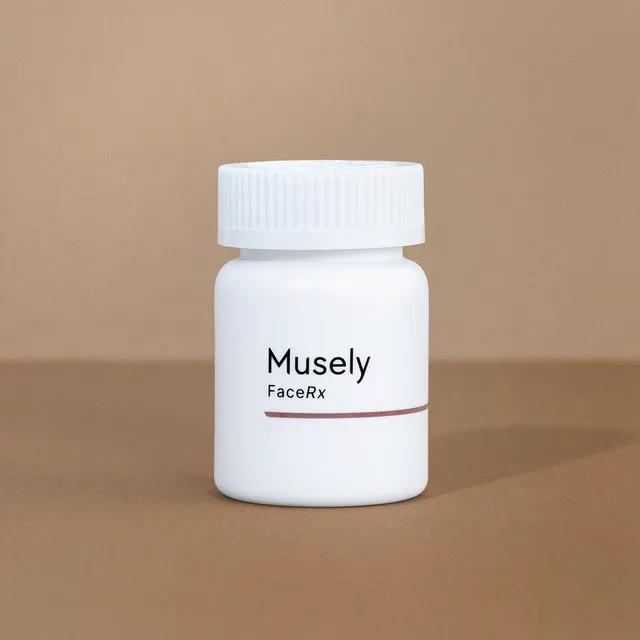
Custom dark spot therapies with physician-selected strengths of hydroquinone, tretinoin for dark skin, niacinamide, and tranexamic acid
Musely’s dark spot therapy formulations that consider skin tone, pigmentation type, and sensitivity
A physician-reviewed consult process that includes photo uploads so your treatment is based on real, visible concerns
Tinted sunscreen options and clear follow-up instructions to support long-term skin health
Q&A With Dr. Marie Jhin, Board Certified Dermatologist
Q1: Can tretinoin make hyperpigmentation worse before it gets better?
Sometimes. This “retinization” phase can cause temporary darkening. Start low and go slow under dermatologic supervision.
Q2: Is hydroquinone safe for skin of color?
Yes—when used correctly. Prescription strength (under medical guidance) is more effective and less risky than DIY approaches.
Q3: What’s the best sunscreen for skin of color?
Look for tinted mineral SPF with iron oxides. It protects against visible light and avoids a white cast.
Q4: How do I know if I have melasma or PIH?
A dermatologist can help distinguish them via photo review. Treatment may differ slightly based on cause and location.
Q5: Where can I learn more about treating melasma?
Visit our Melasma Treatment and Prescription Hydroquinone Alternatives pages for deeper insights.
True progress in skin of color skincare starts with understanding—your skin type, your triggers, your ingredients. At Musely, we combine science, dermatology, and personalization to deliver real results.
Ready to treat dark spots safely and effectively?
Start your online consultation today—and get prescription-strength care designed for your skin tone.
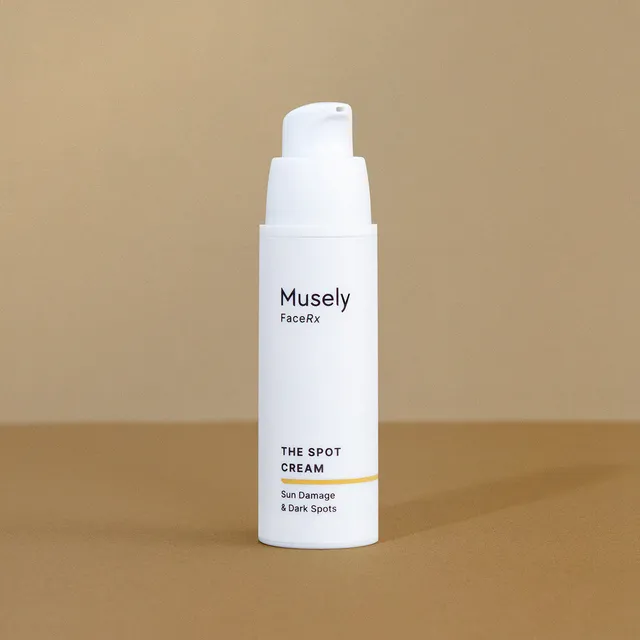
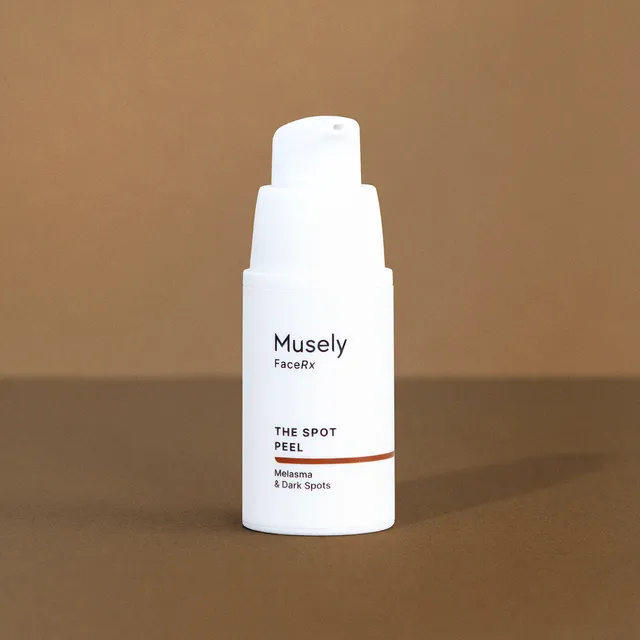
Products In This Tip
More tips like this

Anti-Aging
Melanie Face-Rx Testimonial

Around The Eyes
This Is The Right Time To Apply Eye Cream

Sun & UV Safety
Are These Chemicals Lurking In Your Sunscreen?

Dark Spots & Melasma
Tranexamic Acid for Hyperpigmentation: Topical vs. Oral, Explained by Dermatologists

Body Care
How To Get Rid Of Dark Spots On Your Elbows And Knees

Other
The Top 5 Skincare Ingredients Dermatologists Use On Themselves

Other
5 Shower Mistakes That Are Ruining Your Skin

Dark Spots & Melasma