The 2025 Prescription Playbook for Melasma & Dark Spots
Melasma, dark spots, and photodamage are some of the most common skin concerns people face today. Though not harmful to physical health, they can significantly affect self-confidence and emotional well-being. These conditions all involve some form of excess pigmentation — meaning the skin produces more melanin than it should, leading to uneven tone and discoloration.
Melasma is a chronic skin condition that causes brown or grayish patches, most often on the cheeks, forehead, nose, or upper lip. It is especially common among women and is often triggered by hormonal changes, sun exposure, or a combination of both. Dark spots, sometimes called sun spots or age spots, tend to develop gradually from years of UV exposure or following inflammation from acne or injuries. Photodamage refers to the broader spectrum of skin aging and pigmentation caused by sun exposure over time — including fine lines, loss of elasticity, and uneven skin tone.
Recently, there’s been a noticeable shift in how people approach treating these conditions. Many are moving beyond over-the-counter solutions and seeking out prescription-grade treatments backed by dermatology and real results. This change reflects both growing awareness of what’s possible with modern skincare alongside a growing frustration with products that don’t deliver on their promises.
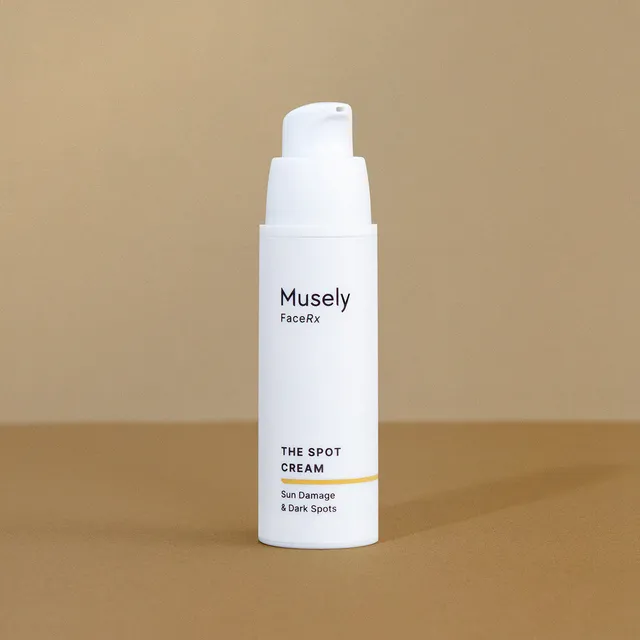
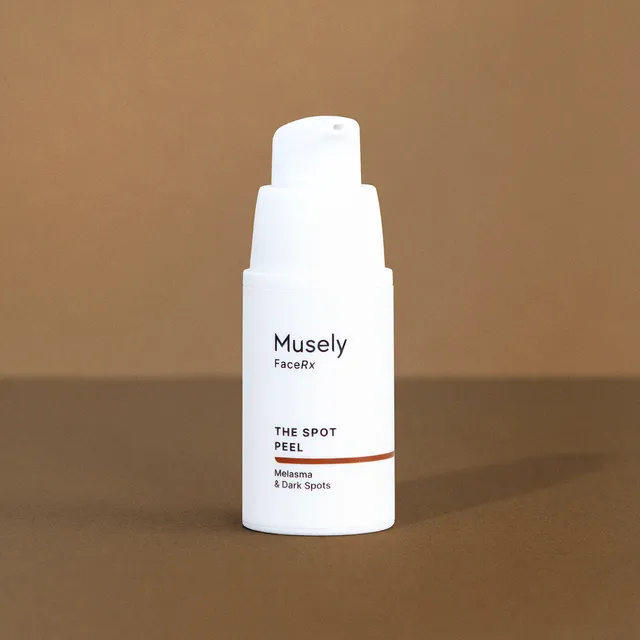
One standout solution leading this movement is Musely’s Spot Cream — a personalized, prescription-strength formula designed specifically to target melasma and stubborn dark spots. By combining clinically proven ingredients like hydroquinone, tretinoin, and tranexamic acid into custom blends for each patient, Musely offers a level of potency and personalization not found in drugstore products.
This playbook explores everything you need to know about treating melasma and dark spots in 2025. We’ll cover both long-standing dermatology gold standards and emerging treatment trends, explain how prescription treatments like Musely’s Spot Cream work, and break down common myths.
The following guide will help you understand your options and make an informed choice.
Understanding the Root Causes of Melasma and Dark Spots
To effectively treat melasma and dark spots, first you need to understand what causes them. While they all involve overproduction of melanin — the pigment that gives skin its color — the underlying triggers can vary widely from person to person. Identifying your triggers helps guide treatment choices and improve long-term results.
Hormonal Changes
One of the most well-documented causes of melasma is hormonal fluctuation. This is why melasma is particularly common during pregnancy (often referred to as the “mask of pregnancy”) and among people taking birth control pills or undergoing hormone replacement therapy. Hormones like estrogen and progesterone can increase melanocyte activity (the cells responsible for producing melanin), especially when combined with sun exposure. Many people notice melasma developing or worsening during times of hormonal shift.
UV Exposure and Photodamage
Ultraviolet (UV) radiation from the sun is a major driver of both melasma and other types of dark spots. UV rays not only stimulate melanocytes to produce more pigment, but they also cause long-term structural damage to the skin — known as photodamage. Over time, this leads to sun spots, uneven tone, and a breakdown of collagen. Importantly, UV exposure can make existing pigmentation significantly worse, even if treatment is underway. This is why sunscreen is non-negotiable in any treatment plan.
Inflammation and Post-Inflammatory Hyperpigmentation (PIH)
When the skin experiences inflammation — from acne, eczema, injuries, or cosmetic procedures — it can respond by producing excess pigment as it heals. This is known as post-inflammatory hyperpigmentation (PIH). PIH can occur in any skin tone but is especially common in medium to deep skin tones, where inflammation often triggers more intense pigment production. Unlike melasma, PIH is not linked to hormones or sun in the same way, but it can be just as stubborn.
Genetic Predisposition and Skin Type
Your genetic makeup plays a major role in how your skin reacts to both internal and external factors. People with darker skin tones (Fitzpatrick skin types IV to VI) have more active melanocytes and are naturally more prone to pigmentation issues like melasma and PIH. Genetics can also influence how easily your skin develops discoloration, how quickly it heals, and how it responds to treatment. While pigmentation issues can affect all skin types, certain populations are more likely to experience chronic or recurring forms that require long-term management.
Long-Standing Clinical Recommendations
When it comes to treating melasma and stubborn dark spots, dermatologists have relied on a handful of well-established prescription ingredients for decades. These therapies are backed by clinical trials, long-term safety data, and real-world results. While newer treatments are gaining attention, these tried-and-true options remain the foundation of most medical protocols — especially for moderate to severe cases.
Hydroquinone: The Gold Standard
Hydroquinone is widely regarded as the gold standard topical agent for reducing hyperpigmentation. It works by inhibiting tyrosinase, the enzyme responsible for melanin production in the skin. By slowing down melanin synthesis, hydroquinone helps lighten existing dark spots and prevent new ones from forming.
Typical use cases include moderate to severe melasma, sun spots, and post-inflammatory hyperpigmentation (PIH). Hydroquinone is not available over the counter, but with a prescription, you may access treatments with strengths that range from 4% up to 12%, like those found in Musely’s Spot Cream. At higher concentrations, hydroquinone is significantly more potent — but also requires provider supervision and adherence to a treatment plan to prevent irritation or overuse.
While effective, hydroquinone is not intended for indefinite use. Dermatologists typically recommend treatment cycles of 8 to 16 weeks, followed by a break or a switch to maintenance therapies.
Retinoids (e.g., Tretinoin): Boosting Cell Turnover and Collagen
Retinoids are vitamin A derivatives that accelerate skin cell turnover. Tretinoin, the prescription version of a retinoid, is the most researched and potent form. In fact, it is up to 20x stronger than over-the-counter retinol. By encouraging new skin cells to rise to the surface, tretinoin helps fade dark patches faster and enhances the effectiveness of other topicals, especially hydroquinone.
Tretinoin also stimulates collagen production and improves skin texture — making it a dual-benefit treatment for those with signs of aging alongside pigmentation. However, it can cause dryness, flaking, or irritation, especially in the first few weeks. Dermatologists often start patients on lower concentrations and slowly increase amounts as the skin adjusts.
Corticosteroids: Calming Inflammation in Triple Combinations
Prescription-strength corticosteroids like hydrocortisone or fluocinolone are not typically used alone for pigmentation, but they can be essential in combination formulas for some patients. When used alongside hydroquinone and tretinoin, a mild corticosteroid helps reduce inflammation and soothe the skin. This combination is often referred to as a “triple therapy” and has been shown in multiple studies to be more effective — and better tolerated — than using hydroquinone or tretinoin alone.
Dermatologists usually recommend triple therapy for short-term use, typically 8 to 12 weeks, to prevent side effects like skin thinning or rebound pigmentation.
Azelaic Acid and Kojic Acid: Gentler Alternatives
If you have sensitive skin or cannot tolerate hydroquinone, azelaic acid and kojic acid are well-respected alternatives. Azelaic acid has both pigment-reducing and anti-inflammatory properties, making it ideal for patients who also struggle with acne or rosacea. Kojic acid, derived from fungi, inhibits tyrosinase much like hydroquinone but is generally milder.
These ingredients are often used in maintenance regimens or as part of combination formulas to reduce irritation risk. While results may take longer to appear compared to stronger agents, they offer a good balance of efficacy and tolerability for long-term care.
Evidence-Based Protocols: Cycles, Duration, and Supervision
One of the most important aspects of treating melasma and dark spots is timing. Even the best ingredients can backfire if misused. That’s why dermatologists often use cyclical protocols — for example, 12 weeks on a triple combo followed by a 4-week break or transition to maintenance products like azelaic acid or vitamin C.
Consistent sun protection is a must throughout any treatment period. Patients are also advised to follow up with a dermatologist or prescribing provider to adjust formulations and monitor for side effects.
This strategic, supervised approach is what separates treatment success from the trial-and-error frustration many patients face with over-the-counter products. It’s also part of what makes services like Musely valuable — combining prescription-strength ingredients with personalized treatment plans that are designed, adjusted, and monitored by board-certified dermatology providers. Plus, patients have around-the-clock access to their care team for support every step of the way.
2025 Trends in Prescription Skin Care for Dark Spots
As science and technology continue to evolve, so do the options for treating melasma and dark spots. In 2025, patients are no longer limited to a handful of traditional formulas or DIY remedies. New ingredients, delivery systems, and care models are reshaping how people approach hyperpigmentation. The emphasis is shifting from simply fading discoloration to preventing recurrence, enhancing skin regeneration, and personalizing every step of the journey.
Tranexamic Acid: A New Hero Ingredient
Originally used to reduce bleeding during surgeries, tranexamic acid (TXA) has emerged as a breakthrough treatment for melasma. It works by inhibiting plasminogen activation in the skin, which reduces inflammation and helps stabilize melanocyte activity — ultimately decreasing excess pigment production.
In 2025, TXA is widely available in both topical and oral formulations, offering flexible treatment options. A growing body of research supports its use: a study published in the Journal of Dermatological Treatment showed significant melasma improvement after 12 weeks of topical TXA use, with fewer side effects than hydroquinone-based therapies (source).
Musely incorporates TXA in two innovative ways — as part of custom-blended Spot Cream prescriptions for topical application, and in The Spot Pill, an oral TXA treatment designed for patients with more persistent or hormonally driven melasma. For those with hydroquinone sensitivity or deeper, systemic triggers, oral TXA offers an effective alternative or complement to topical therapies — expanding the possibilities for personalized, results-driven care.
Exosomes and Growth Factors: Regenerative Dermatology
The use of exosomes — small extracellular vesicles derived from stem cells — is gaining momentum in dermatology. These biologically active messengers promote tissue repair, stimulate collagen, and help regulate pigmentation. Though exosome-based treatments are still relatively new, early studies suggest they may reduce signs of photodamage and support more even skin tone when used in conjunction with other therapies like chemical peels or microneedling.
In 2025, exosome serums are increasingly being paired with prescription treatments to accelerate healing and improve texture, especially for patients undergoing more intensive skin renewal regimens.
Compounded Telederm Solutions
Personalized, prescription skincare is no longer confined to dermatology offices. Services like Musely have helped pioneer the rise of compounded telederm solutions — customized blends of clinical-strength ingredients delivered directly to patients after a virtual consultation.
This model offers a major advantage: instead of one-size-fits-all prescriptions, patients receive precisely tailored treatments based on their skin type, pigmentation level, medical history, and tolerance to active ingredients. Formulas can include hydroquinone, tretinoin, corticosteroids, niacinamide, and tranexamic acid in varying strengths, often with the option to adjust over time.
In addition to customization, these platforms improve adherence and education by providing digital instructions, refill reminders, and progress-tracking tools.
AI-Guided Dermatology and E-Prescriptions
Artificial intelligence (AI) is playing a growing role in how skin conditions are diagnosed and treated. AI-powered tools can now analyze uploaded photos to assess pigmentation severity, track changes over time, and suggest modifications to treatment regimens.
Teledermatology services are integrating AI features into their platforms to enhance speed, accuracy, and personalization. While a licensed provider still makes the final call, AI helps support decisions — especially in assessing response to treatment and optimizing the timing for formula adjustments or refills.
Musely’s proprietary eNurse system is at the forefront of this shift — using AI to deliver real-time insights on patient progress, flag potential side effects, and provide personalized reminders to stay on track. While a Board Certified physician still makes all clinical decisions, eNurse helps optimize outcomes by guiding patients through every stage of their treatment with digital support and smart feedback.
Combined with Musely’s streamlined e-prescription process, patients can access dermatologist-designed skincare faster than ever — without waiting for in-person visits or navigating pharmacy delays. The result is a smarter, more responsive way to treat melasma and dark spots.
From Reactive to Preventive Skin Care
Historically, treatment for melasma and dark spots has been reactive — people would start looking for solutions only after pigment appeared. But in 2025, dermatologists and skincare brands are emphasizing preventive care and long-term maintenance as essential to lasting results.
This includes strategies like:
Using low-dose hydroquinone or tranexamic acid intermittently to prevent recurrence
Supporting the skin barrier with niacinamide and ceramides
Incorporating antioxidants (like vitamin C and E) to defend against environmental triggers
Maintaining strict sun protection year-round
With better tools, smarter formulations, and more informed patients, long-term pigmentation control is now a more realistic and sustainable goal.
Spotlight on Musely Spot Cream
In the crowded world of skincare, few products have generated as much patient interest— and provider enthusiasm — as Musely’s Spot Cream. Launched as part of Musely’s teledermatology platform, this prescription-only treatment has become a leading solution for melasma, sun spots, and other forms of hyperpigmentation. What sets it apart is the combination of medical-grade ingredients, personalized formulations, and an easy-to-use digital treatment experience.
Prescription-Only Strength That Delivers
Unlike drugstore products, which are limited to cosmetic-grade ingredients, Musely’s Spot Cream contains prescription-only hydroquinone — available in strengths up to 12%, far exceeding anything offered over the counter.
In addition to hydroquinone, Musely’s formulas may include prescription tretinoin, corticosteroids, tranexamic acid, and niacinamide — all customized to your unique skin concerns. Each treatment is freshly compounded by a partner pharmacy and shipped directly to your door after a virtual consultation. Compared to traditional dermatology visits and pharmacy pickups, Musely offers a more affordable and accessible alternative — without compromising on clinical strength. By combining personalized care with the convenience of telemedicine, Musely makes dermatologist-grade treatment more attainable than ever.
How It Compares to OTC and Other Rx Options
Most over-the-counter dark spot correctors can only include low-potency ingredients. These are usually vitamin C, niacinamide, or botanical extracts. While these may help with skin health and prevent mild discoloration, they are, by definition, unable to penetrate deep enough to address entrenched pigmentation like melasma.
Even traditional prescription options, like 4% hydroquinone creams or triple combo products, often come as fixed, one-size-fits-all formulas. Musely’s key advantage is customization. A Board Certified Dermatologist evaluates your skin, determines your ideal ingredient combination and strength, and then prescribes a treatment plan designed specifically for you. That’s a level of personalization rarely found in traditional dermatology — and almost never in OTC products.
Formulation Breakdown: What’s Inside and Why It Works
Musely’s Spot Cream is available in several variations, tailored to your unique skin type and pigmentation issues. A typical formulation may include some combination of:
Hydroquinone (up to 12%) – Decreases melanin production at the source, fading existing spots and preventing new ones.
Tretinoin (retinoid) – Speeds up cell turnover and enhances ingredient penetration, while improving texture and tone.
Hydrocortisone or fluocinolone (corticosteroids) – Reduces inflammation and helps the skin tolerate active ingredients with less irritation.
Tranexamic acid – Targets melanocyte activity and inflammation, particularly helpful in melasma-prone skin.
Niacinamide – Strengthens the skin barrier and reduces redness while supporting pigment correction.
Vitamin C – Offers antioxidant protection and helps brighten the skin naturally.
Each ingredient plays a role, and the specific mix is adjusted based on your unique needs — for example, someone with sensitive skin might receive lower hydroquinone and more anti-inflammatory support, while someone with stubborn melasma might be prescribed the highest strength available.
Application Process and Patient Experience
Musely’s treatment journey starts with a brief online consultation. Patients submit photos and complete a detailed skin questionnaire. Within 24 hours, a board-certified provider reviews the case and prescribes a custom formula - no need for a video call or phone call. The product is compounded by a partner pharmacy and shipped directly to the patient’s home.
One of Musely’s biggest strengths is its companion mobile app, which offers reminders, instructional videos, and access to your prescribing provider. This helps patients stay consistent and troubleshoot side effects quickly — two of the most critical factors for successful outcomes.
Patients are instructed to apply the cream once nightly to clean, dry skin, followed by a moisturizer. Daily sunscreen is mandatory, and many users are also advised to use complementary daytime products like antioxidant serums or barrier creams.
Consumer Study Results and User Testimonials
Musely’s internal data shows that over 80% of patients report visible improvement in dark spots within 60 days, with continued progress over 90 to 120 days of consistent use. Patient reviews reflect high satisfaction, especially for those who have tried and failed with OTC products in the past. Common praise includes:
Noticeably brighter, more even skin tone in a few weeks
Fading of stubborn melasma patches that resisted years of other treatments
Easy-to-follow instructions and personalized care
Positive experiences with customer support and prescription refills
While some users report mild irritation early on, this is expected with active ingredients like tretinoin and typically subsides with continued use, sun safety, and proper moisturization.
Common Myths About Treating Melasma & Dark Spots
Despite the growing availability of effective treatments, myths and misinformation about hyperpigmentation are still widespread. These misconceptions can delay proper care, lead to ineffective DIY remedies, or even cause further skin damage. Let’s address some of the most common myths and explain the science behind what’s actually true.
“Hydroquinone is dangerous”
Hydroquinone has developed a controversial reputation, especially due to concerns about overuse and skin damage. However, when used under medical supervision and for appropriate treatment durations, hydroquinone is both safe and highly effective.
Multiple clinical studies have confirmed its safety profile. In fact, hydroquinone is still considered the gold standard by dermatologists worldwide for treating melasma and hyperpigmentation. A 2020 review in the Journal of Dermatological Treatment concluded that while rare side effects like exogenous ochronosis (bluish skin discoloration) can occur, they are almost always associated with unregulated or prolonged use in high concentrations, particularly in unmonitored markets (source).
In regulated settings, such as prescription platforms like Musely, hydroquinone is prescribed at appropriate strengths and used in well-defined treatment cycles. Patients are also closely monitored to minimize side effects and maximize results.
“Dark spots will fade on their own”
It’s true that some post-inflammatory hyperpigmentation (PIH) can fade over time — especially in lighter skin tones — but this process is usually slow and unpredictable. Melasma, on the other hand, rarely goes away on its own and often worsens with sun exposure, heat, or hormonal changes.
Without active treatment, most dark spots persist and may deepen with age. Dermatologists recommend early intervention to reduce pigment buildup, shorten the lifespan of discoloration, and prevent recurrence.
“You can’t use these products on darker skin tones”
This myth is not only incorrect — it’s harmful. People with darker skin (Fitzpatrick skin types IV to VI) are more likely to experience hyperpigmentation, and therefore more likely to benefit from prescription-strength treatments. The key is using the right formulation, in the right way, under professional supervision.
In fact, dermatologists often design special regimens for patients with melanin-rich skin that include lower starting concentrations, anti-inflammatory agents like niacinamide, and barrier-supporting ingredients. Musely’s customized approach is particularly helpful for this population, since formulations can be adjusted based on your tolerance and skin history.
A 2019 study published in Cutis confirmed that triple combination therapy (hydroquinone, tretinoin, corticosteroid) is both safe and effective in darker skin tones when used appropriately (source).
“Natural treatments are safer and more effective”
There’s nothing wrong with using gentle, plant-based ingredients — many, like niacinamide and licorice root, may have real benefits. But it’s a mistake to believe that natural always means better. Most natural remedies lack the potency to significantly reverse melasma or long-standing dark spots, especially when hormonal or UV-related triggers are involved.
Natural treatments may be suitable for mild discoloration or for use in between prescription cycles. But for deeper pigment issues, clinically proven ingredients like hydroquinone, tretinoin, and tranexamic acid consistently outperform natural options in controlled trials.
“You don’t need sun protection with spot treatments”
This is perhaps the most damaging myth of all. Regardless of which products you’re using, sun protection is absolutely essential. UV radiation triggers melanin production and can undo weeks or months of progress in a matter of hours.
Wearing a broad-spectrum SPF of 30 or higher every day — even on cloudy days or indoors near windows — is one of the most important steps you can take to prevent pigmentation from getting worse. Many dermatologists also recommend reapplying every 2–3 hours when outdoors and using hats or physical barriers for extra protection.
Prescription treatments like hydroquinone and tretinoin actually increase the skin’s sensitivity to sunlight, which makes SPF use even more critical during active treatment cycles.
Navigating the Treatment Timeline
Treating melasma and dark spots is a process, not a quick fix. Even the most effective prescription regimens require time, consistency, and realistic expectations. Understanding what to expect during each phase of treatment can help you stay motivated, identify normal side effects, and know when to adjust your plan.
Weeks 1–4: The Adjustment Period
The first few weeks are often the most challenging — not because results appear, but because your skin is adjusting to powerful active ingredients like hydroquinone and tretinoin. During this phase, you may notice:
Redness or mild inflammation
Peeling or flaking
Slight tingling or stinging after application
Skin feeling more dry or sensitive than usual
These symptoms are normal and expected. They are signs that the treatment is actively increasing cell turnover and targeting melanocyte activity. This is also when many people are tempted to stop using the product, but with the right moisturizers and gentle skin care, these side effects are usually temporary and manageable.
To minimize discomfort, dermatologists recommend applying a rich moisturizer 10–15 minutes after your prescription cream and using a gentle, non-foaming cleanser. Avoid exfoliants, strong acids, or harsh treatments during this period.
Weeks 5–12: Active Fading and Visible Progress
By the second month, most patients begin to notice visible improvements in pigmentation. Dark spots may start to soften or break up, the overall skin tone looks more even, and the texture may feel smoother. Tretinoin enhances cellular renewal while hydroquinone reduces melanin production, leading to:
Reduced size and depth of dark patches
Improved clarity and tone
Less frequent new discoloration
Most clinical studies report that the greatest visible changes occur between weeks 8 and 12, especially when daily sunscreen is used and irritation is properly managed. At this point, your provider may recommend adjusting the formulation — either increasing strength for resistant spots or tapering to a maintenance dose.
After 12 Weeks: Maintenance Mode vs. Rebound Risk
Once pigmentation is significantly improved, treatment enters the maintenance phase. This phase is just as important as active treatment — especially with melasma, which tends to recur with sun exposure or hormonal changes.
Maintenance might involve:
Reducing hydroquinone usage to 2–3 times per week
Switching to gentler ingredients like azelaic acid, kojic acid, or niacinamide
Continuing tretinoin at a lower concentration
Relying on daily antioxidant serums and sunscreen
The goal is to preserve the results you’ve achieved while minimizing the risk of side effects from long-term use.
When to Pause or Switch Treatments
Even well-designed regimens may need to be paused or adjusted. Common reasons to take a break include:
Skin becoming overly sensitive or inflamed
Pigmentation lightening to desired levels
Signs of plateau, where the skin stops responding
Risk of rebound melasma from prolonged hydroquinone use (beyond 16 weeks)
Dermatologists typically recommend cycling off high-strength hydroquinone every 3–4 months to give the skin a break. During this time, maintenance ingredients and diligent sun protection are key to preventing relapse.
If melasma does return — often triggered by sun, heat, or hormonal changes — it’s usually milder and more responsive the second time around, especially if you resume treatment early.
Safety, Side Effects & Who Should Avoid Prescriptions
Prescription skincare is powerful — and with that power comes responsibility. While treatments like hydroquinone and tretinoin can deliver dramatic improvements in melasma and dark spots, they aren’t right for everyone. Safe, successful use depends on selecting the right candidates, using products correctly, and knowing when to consult a medical provider.
Who Is and Isn’t a Candidate for Hydroquinone or Tretinoin-Based Treatments
Most adults with moderate to severe hyperpigmentation are good candidates for prescription-strength regimens. However, certain conditions or skin types require extra caution or alternative treatments.
Good candidates typically include:
People with persistent melasma or sun damage
Those with post-inflammatory hyperpigmentation from acne or eczema
Patients who have tried OTC options without success
Individuals willing to commit to consistent sunscreen use and follow-up care
Use with caution or avoid entirely if you are:
Pregnant or breastfeeding (tretinoin and hydroquinone are not recommended)
Prone to severe skin sensitivity or allergic reactions
Experiencing active eczema, rosacea, or open wounds on treatment areas
Using other prescription treatments that may conflict or irritate the skin
Unable or unlikely to maintain daily sun protection, which is essential for safe use
A consultation with a medical provider — like the ones offered through Musely’s platform — can help determine whether a hydroquinone-based blend is appropriate, or if a gentler route (like azelaic acid or kojic acid) is better suited.
Managing Irritation, Dryness, and Purging
One of the most common challenges when starting a prescription regimen is irritation. This can show up as:
Dryness and flaking
Redness or itching
A burning or stinging sensation
Mild breakouts (sometimes called “purging”) as pores clear out
Most of these side effects are temporary and a normal part of the adjustment process. They typically peak within the first 2 to 3 weeks and subside as your skin builds tolerance. However, they can be uncomfortable enough to make people quit prematurely.
To reduce irritation:
Apply moisturizer 10–15 minutes after your prescription cream
Use a gentle, non-stripping cleanser twice daily
Avoid other exfoliants or active serums (like AHAs or BHAs) unless approved by your provider
Start by using the treatment every other night, then work up to nightly application
If symptoms become severe — including painful burning, swelling, or worsening pigmentation — stop use and contact your provider for guidance.
Why SPF and Barrier Repair Are Non-Negotiable
Using strong actives without protecting your skin barrier is like fixing a roof but leaving the windows open in a storm — it undermines the whole process.
Daily broad-spectrum SPF 30 or higher is essential. Tretinoin and hydroquinone both make your skin more sensitive to UV rays, which can trigger rebound pigmentation or worsen discoloration if not properly shielded. Sunscreen should be applied every morning, with reapplication every 2–3 hours if you’re spending time outdoors.
In addition to SPF, barrier-supporting products help the skin stay resilient. Look for moisturizers that contain:
Ceramides
Hyaluronic acid
Niacinamide
Glycerin
These ingredients lock in hydration, reduce inflammation, and help skin tolerate active treatments more comfortably.
When to Consult a Board-Certified Dermatologist
For most people, teledermatology platforms like Musely provide safe, science-backed, and convenient access to board-certified dermatologists — eliminating the need for in-person visits in the vast majority of cases. Through photo evaluations, detailed questionnaires, and continuous virtual follow-up, Musely’s physicians are able to diagnose, treat, and monitor conditions like melasma and dark spots with clinical precision.
That said, there are a few situations where in-person care may still be necessary — particularly if a biopsy or procedural treatment is required. You should consider seeing a dermatologist in person if:
You have complex skin conditions (e.g., lupus, vitiligo, or uncontrolled eczema)
You’ve experienced allergic reactions to skincare products in the past
You have severe or recurring pigmentation that doesn’t respond to standard treatment
You’re planning to combine topical prescriptions with in-office treatments like peels, microneedling, or laser therapys
For most pigmentation concerns, Musely’s telehealth platform offers direct access to licensed dermatologists who can customize your treatment, adjust formulas as your skin evolves, and provide expert guidance — all without leaving home.
Alternatives for Sensitive Skin or Non-Prescription Seekers
Prescription treatments aren’t for everyone. Some people have skin that’s too reactive, or simply prefer to start with gentler options. Fortunately, there are several non-prescription ingredients and over-the-counter (OTC) products that can help fade dark spots and even skin tone — especially when used consistently and supported by sun protection.
While results are typically slower and less dramatic than with prescription formulations, the right non-prescription routine can still make a visible difference, particularly for mild pigmentation or as a follow-up to prescription cycles.
Niacinamide, Arbutin, and Licorice Root
These ingredients are staples in many derm-recommended OTC serums and creams because of their low irritation risk and proven pigment-regulating properties:
Niacinamide (Vitamin B3) strengthens the skin barrier, reduces inflammation, and slows melanin transfer to the skin’s surface. It’s well-tolerated by almost all skin types, including those prone to redness or acne.
Arbutin is a natural derivative of hydroquinone that inhibits tyrosinase, the same enzyme responsible for melanin production. It’s significantly gentler than hydroquinone and often used in brightening serums marketed for sensitive skin.
Licorice root extract contains glabridin, which has anti-inflammatory and melanin-suppressing effects. It can also help calm redness and irritation, making it a great choice for inflamed post-acne spots.
These ingredients are often found in combination in products designed for daily use, and they’re excellent options for long-term maintenance or for layering beneath sunscreen during the day.
Vitamin C Serums
Vitamin C is one of the most well-studied antioxidants in skincare. It neutralizes free radicals caused by UV radiation and pollution, which in turn reduces oxidative stress — a key trigger for melanin production. At concentrations of 10% or higher, L-ascorbic acid (the most active form of vitamin C) can also inhibit tyrosinase and help fade pigmentation.
It’s best used in the morning under sunscreen for both protective and brightening benefits. People with sensitive skin may prefer stabilized derivatives like sodium ascorbyl phosphate or magnesium ascorbyl phosphate, which are gentler but still effective over time.
OTC Products with Derm-Level Ingredients
While over-the-counter (OTC) products don’t match the potency of prescription treatments, many still contain well-researched ingredients that can support skin tone evening — especially for mild discoloration or maintenance between prescription cycles. Look for the following active ingredients on product labels:
10% azelaic acid (available OTC in some countries or via online retailers)
Kojic acid
Alpha hydroxy acids (AHAs) like glycolic or lactic acid for exfoliation
Tranexamic acid (in newer OTC spot correctors)
While these products typically work more gradually than prescription formulas, they can be a helpful option for those with sensitive skin, mild hyperpigmentation, or for maintaining results after prescription use. Always follow with daily SPF, as these ingredients can increase sun sensitivity.
Pros and Cons vs. Prescriptions
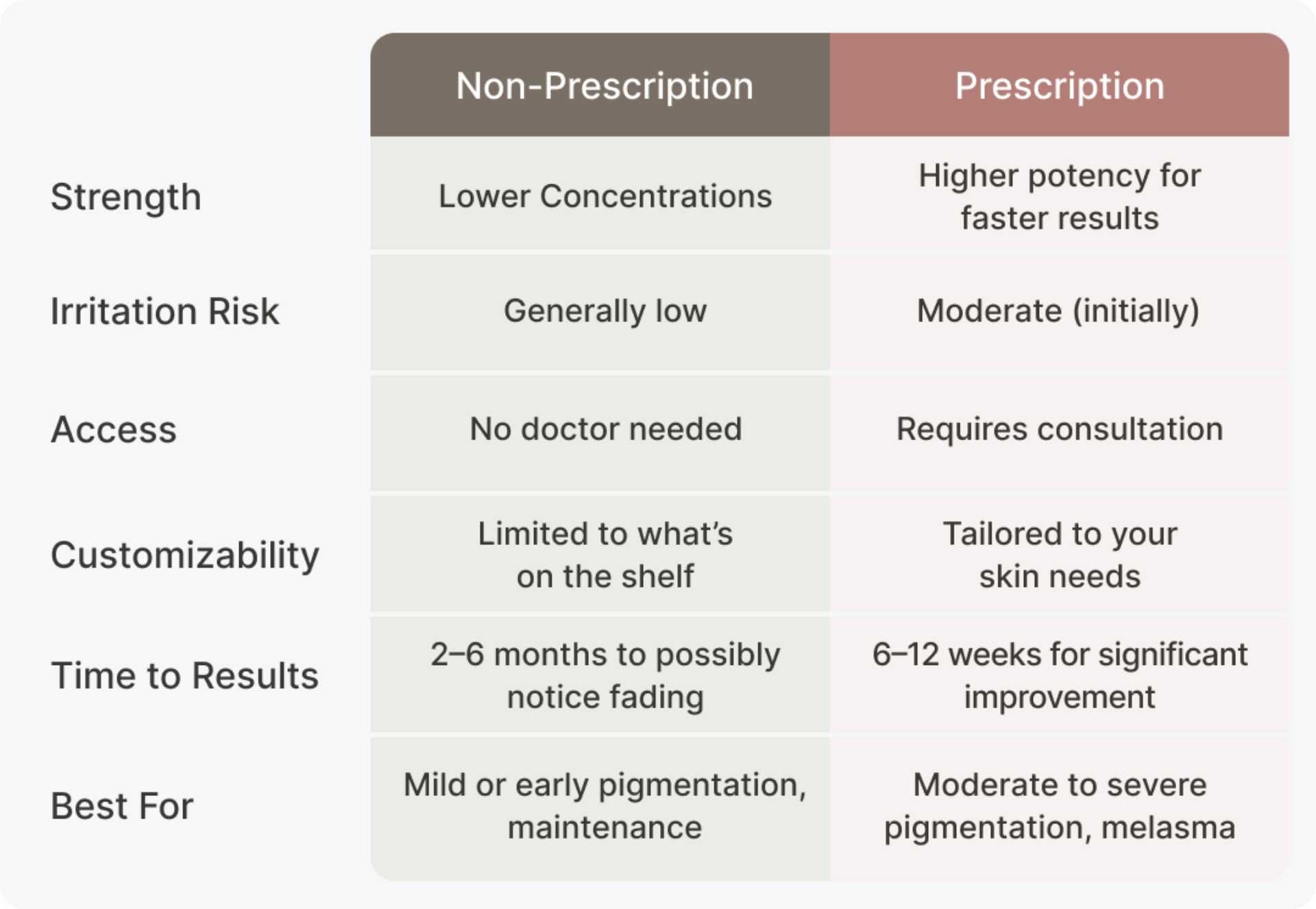
If you’re not ready for a prescription, or you’ve completed a prescription cycle and want to maintain results, these alternatives are excellent tools — especially when paired with daily SPF and a consistent routine.
How to Choose the Right Treatment for You
There’s no one-size-fits-all solution for melasma or dark spots. The right treatment depends on several personal factors, including your skin tone, the severity of your pigmentation, your access to care, and how aggressively you want to treat the condition. Here’s how to think through your options and find a plan that fits your needs.
Skin Tone and Fitzpatrick Scale Considerations
Your natural skin tone plays a major role in both how pigmentation develops and how it should be treated. Dermatologists often use the Fitzpatrick scale to categorize skin by its response to sun exposure:
Types I–III (lighter skin tones) may develop freckles, sun spots, or post-acne marks that fade more easily but are prone to UV-induced relapse.
Types IV–VI (medium to deep skin tones) are more likely to experience melasma and post-inflammatory hyperpigmentation, but also face a higher risk of irritation and rebound pigmentation from harsh treatments.
For deeper skin tones, treatment plans often start with lower-strength actives, incorporate anti-inflammatory ingredients like niacinamide, and emphasize barrier repair and strict sun protection. Products must be chosen carefully to avoid worsening discoloration or triggering new pigment problems.
Severity and Type of Pigmentation
The kind of discoloration you have — and how long it’s been present — should guide your treatment intensity.
Mild post-acne marks or recent sun spots may respond well to over-the-counter brightening agents like vitamin C or arbutin.
Stubborn melasma, especially if it’s hormonally triggered or resistant to OTC solutions, often requires prescription-strength hydroquinone, tretinoin, or tranexamic acid.
Widespread or recurring pigmentation may call for a layered regimen: active fading treatments followed by long-term maintenance to prevent relapse.
The deeper and more diffuse the pigmentation, the more likely you’ll need a customized, clinical approach.
Budget, Convenience, and Type of Care
Access to treatment matters just as much as the formula itself. While in-person dermatology visits can be ideal for complex or unclear cases, they can be time-consuming and expensive — especially if multiple follow-ups are required.
Telehealth platforms like Musely offer a lower-cost, highly convenient way to access personalized, prescription-strength care without the wait. These services typically include:
Online consultations and photo evaluations
Customized formulations and personalized treatment plans
Direct-to-door shipping
Refill reminders and digital treatment tracking
Access to providers for questions or adjustments
Custom-Blended Prescriptions vs. Single-Ingredient Solutions
Many traditional products — both OTC and prescription — rely on a single active ingredient. While these can be effective, they often take longer and may not address all causes of pigmentation.
Custom-blended prescriptions like Musely’s Spot Cream combine multiple clinical-strength ingredients (e.g., hydroquinone, tretinoin, corticosteroids, tranexamic acid) into one formula, targeting pigment production, inflammation, and skin turnover at once. This multifactorial approach tends to produce faster, more noticeable results.
On the other hand, single-ingredient treatments like a standalone vitamin C serum can be easier to test for sensitivity and build into a routine gradually. They may be a better starting point for people new to skincare actives or with extremely reactive skin.
Conclusion & Key Takeaways
Treating melasma and dark spots effectively in 2025 isn’t about quick fixes or trendy serums — it’s about using the right combination of clinical-strength ingredients, personalized formulas, and consistent care over time. Whether you’re dealing with persistent melasma, sun damage, or post-inflammatory pigmentation, there are more options than ever — and better outcomes for those who take a strategic, well-informed approach.
Key principles to remember:
Clinical strength matters. Ingredients like hydroquinone, tretinoin, and tranexamic acid are backed by decades of research and deliver real results when used correctly.
Personalization is essential. Your skin tone, sensitivity, and specific type of pigmentation should shape your treatment plan.
Consistency drives progress. Even the best prescription will fall short if it’s not used regularly alongside sun protection and barrier repair.
Musely’s Spot Cream represents one of the most advanced, affordable and accessible solutions available today. By combining dermatologist-grade ingredients in custom-blended formulas and offering expert support through its telehealth platform, Musely is redefining what modern pigment treatment looks like — convenient, backed by science, and built around your needs.
If you’re frustrated with dark spots that won’t fade or looking for a more serious solution to melasma, now’s the time to act. Explore prescription options through a trusted platform like Musely or speak with a licensed provider to design a plan that’s right for your skin. With the right tools and guidance, a clearer, more even complexion is absolutely within reach.
Products In This Tip
More tips like this

Dark Spots & Melasma
Tranexamic Acid for Hyperpigmentation: Topical vs. Oral, Explained by Dermatologists
Dark Spots & Melasma
Hydroquinone 12% vs 2%: What Concentration Does the Science Support?

Dark Spots & Melasma
Clearer Skin: Getting Rid of Dark Spots

Dark Spots & Melasma
60 Days Later ..

Dark Spots & Melasma
Hydroquinone 101: Your Secret Weapon Against Summer Hyperpigmentation

Dark Spots & Melasma
My Fight With Hyperpigmentation Is Over!

Dark Spots & Melasma
It Works- The Spot Cream
Dark Spots & Melasma