Menopause Skin Routine: Estriol, Tretinoin & More Explained

Menopause is a significant transition, and the changes aren't just internal. Your skin, the body's largest organ, often reflects the hormonal shifts happening beneath the surface. If you're suddenly dealing with dryness, fine lines, or even acne, you're not alone. As estrogen levels decline, it's common to feel like your complexion is unrecognizable [6].
Navigating these changes can feel overwhelming, but it's also an opportunity to adapt your skincare routine to give your skin exactly what it needs. We're here to break down the science behind menopausal skin and guide you toward an expert-backed routine. We don't chase trends—we solve real problems with prescription-strength solutions formulated by U.S. dermatologists and compounded fresh for you.
Understanding Menopausal Skin Changes
During perimenopause and menopause, the drop in key hormones—primarily estrogen—triggers a cascade of changes in your skin's structure and function [7].
Hormonal Impact on Collagen and Elastin
Estrogen is a key player in signaling your skin cells to produce collagen and elastin, the proteins that keep skin firm, plump, and resilient. As estrogen levels fall, so does collagen production. In fact, your skin can lose up to 30% of its collagen in the first five years after menopause begins [2]. This leads to visible changes like:
Thinner, less elastic skin
Increased fine lines and wrinkles
Noticeable skin sagging or laxity
Increased Dryness and a Weakened Skin Barrier
Estrogen also helps your skin retain moisture by supporting the production of ceramides and hyaluronic acid. Without them, your skin's natural protective barrier weakens, making it harder to hold onto moisture and more susceptible to irritants [5]. This is why many women experience persistent dryness, tightness, and sensitivity for the first time during menopause. A staggering 64% of women report dry, itchy skin as a primary menopausal symptom [4].
Common Menopausal Skin Concerns
The combination of hormonal shifts and the natural aging process can lead to a variety of concerns. Slower cell turnover can cause dead skin cells to accumulate, resulting in a dull appearance. Meanwhile, the hormonal imbalance can sometimes trigger adult acne, even if you've had clear skin for years [1]. The good news is that every one of these concerns can be addressed with a targeted menopause skin routine.
Key Ingredients for Your Menopause Skin Routine
To combat these changes, your skincare should feature powerful, science-backed ingredients. Here are the essentials our dermatologists recommend.
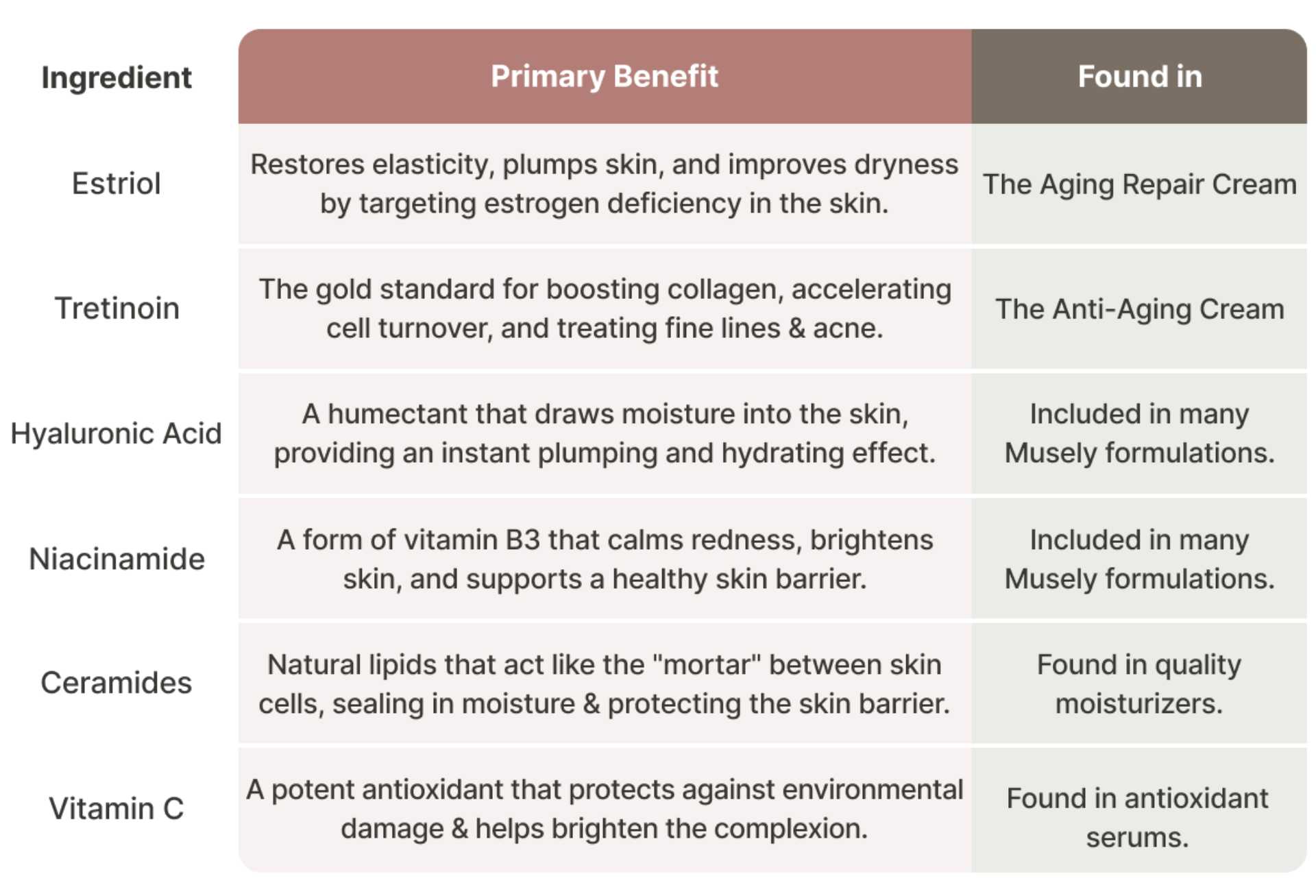
At Musely, we harness the power of prescription ingredients like estriol and tretinoin to create personalized treatments that deliver real, long-term results.
A Dermatologist-Designed Menopause Skin Routine
A complicated, 10-step routine isn't necessary. Consistency with a few powerful, evidence-based products will make the biggest impact. Here is a simple framework.
Morning Routine (AM)
Gentle Cleanse: Start with a mild, hydrating cleanser. Avoid harsh soaps or foaming formulas that can strip the skin's natural oils and disrupt its delicate pH balance.
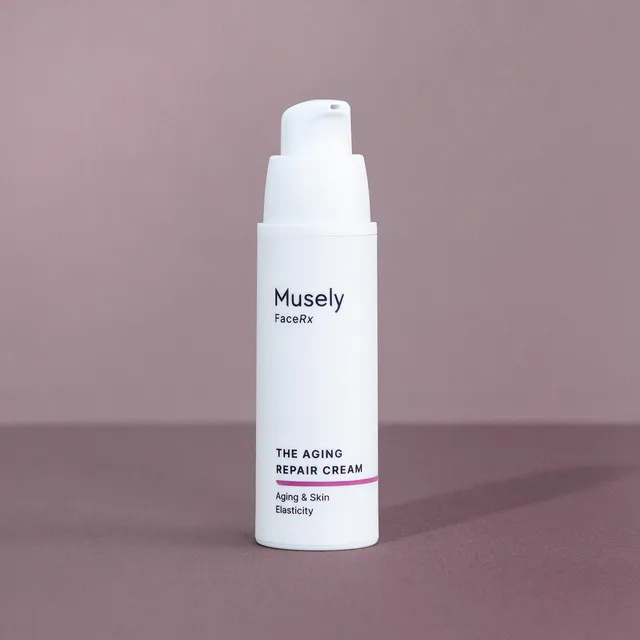
Topical Estrogen: After cleansing, apply a prescription estriol cream. The Aging Repair Cream is specifically formulated with bioidentical estriol to help restore elasticity, plump skin, and combat the dryness and dullness caused by hormonal changes.
Moisturize & Protect: Sunscreen is non-negotiable. Up to 80% of visible aging is caused by UV exposure [3]. Apply a broad-spectrum moisturizer with at least SPF 30 every single day to protect your collagen and prevent further damage.
Evening Routine (PM)
Gentle Cleanse: Wash away makeup, sunscreen, and impurities from the day.
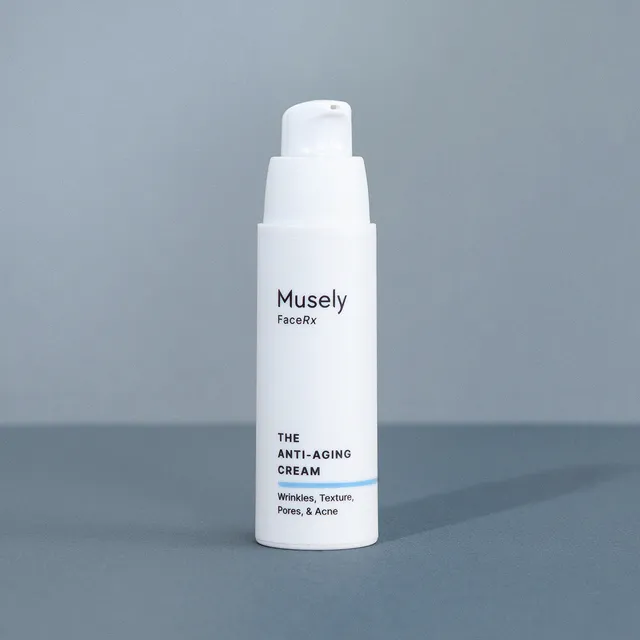
Prescription Retinoid: This is the powerhouse step. Tretinoin is a potent retinoid that works deep within the skin to stimulate collagen production and speed up cell turnover. It is highly impactful for reducing wrinkles, fading dark spots, and clearing hormonal acne. Our dermatologists recommend using a prescription treatment like The Anti-Aging Cream for best results.
Pro Tip: If you're new to tretinoin, start by applying it 2-3 nights a week and gradually increase to nightly use as your skin adjusts. Combining it with an estriol cream (tretinoin at night, estriol in the morning) creates a powerful anti-aging duo.
Nourishing Moisturizer: Follow your retinoid with a rich cream containing ingredients like ceramides and hyaluronic acid. This helps soothe the skin, buffer potential irritation from the tretinoin, and lock in essential moisture overnight.
Common Mistakes to Avoid During Menopause
How you care for your skin is just as important as what you put on it. Avoid these common pitfalls:
Over-Exfoliating: With tretinoin already accelerating cell turnover, there's no need for aggressive scrubs or daily use of other chemical exfoliants. This can damage the skin barrier, leading to redness and irritation.
Skipping Sunscreen: Failing to apply SPF daily undermines the progress made with active ingredients like tretinoin and estriol, which can make your skin more sensitive to the sun.
Ignoring the Neck & Décolletage: The skin on your neck and chest is also thin and prone to sun damage and signs of aging. Extend your entire routine—from cleansing to sunscreen—down to these areas.
Using a One-Size-Fits-All Approach: Your skin has unique needs. Instead of guessing with over-the-counter products, a personalized prescription approach ensures you're using the right ingredients at the right strength. That's why Musely offers prescription skincare, without the waiting room, tailored for you by a dermatologist.
Frequently Asked Questions (FAQs)
What do dermatologists recommend for menopausal skin?
Dermatologists focus on ingredients that address the root causes of menopausal skin changes. This includes prescription-strength tretinoin to rebuild collagen and topical estriol to help restore what hormones have depleted. A consistent routine built around these actives, plus diligent sun protection, is key.
What is the best face cream for menopause?
The best approach involves two types of creams. For daytime, a face cream with estriol, like The Aging Repair Cream, can help plump and hydrate the skin. For nighttime, a tretinoin cream like The Anti-Aging Cream is the gold standard for repairing signs of aging like wrinkles and loss of firmness.
What is the best thing for menopausal skin?
The single best thing is a consistent, personalized routine. This means using active, science-backed ingredients like tretinoin and estriol, moisturizing diligently to support your skin barrier, and protecting your skin with broad-spectrum SPF 30+ every day.
Navigating skin changes during menopause doesn't have to be a struggle. With the right knowledge and a targeted treatment plan, you can empower yourself to feel confident and radiant. If you're ready for prescription-strength solutions that are formulated by dermatologists and compounded fresh for you, explore Musely's personalized anti-aging treatments today.
Products In This Tip
More tips like this

Anti-Aging
Melanie Face-Rx Testimonial
Anti-Aging
How Estriol Cream Restores Elasticity During Menopause

Anti-Aging
Stop The Clock On Your Skin Before It's Too Late

Anti-Aging
Tretinoin Basics: Step‑by‑Step Guide for Clearer Skin

Anti-Aging
Eradicate Years Of Wrinkles In 60 Days, Guaranteed!
Anti-Aging
5 Signs Your Skin Is Aging Faster Than You Are (And What You Can Do About It)

Anti-Aging
Exosome 101

Anti-Aging