Longevity Pills: What They Are, the Evidence, and How Musely’s Age Well Pill Fits

A longevity pill is a daily supplement or medication formulated to support healthy aging by targeting hallmarks like energy production, oxidative stress, and inflammation. Common ingredients include CoQ10, nicotinamide riboside, fisetin, and calcium alpha-ketoglutarate. Research is promising but varies by ingredient and dose. These supplements support wellness, not disease treatment or prevention.
TL;DR Quick Facts
The most studied ingredients include CoQ10, nicotinamide riboside (NR), fisetin, and calcium alpha-ketoglutarate (Ca-AKG).
Evidence ranges from early lab studies to human trials, with mixed but encouraging results.
Metformin, a prescription diabetes drug, is being studied in the TAME trial as a benchmark in longevity science.
Musely’s Age Well Pill combines several evidence-backed ingredients into one formula, reviewed by clinicians.
Always review medications and health conditions with a clinician before starting new supplements.
Why They’re Trending:
Interest in longevity has surged in recent years. People want not just to live longer but to live better — maintaining energy, mobility, and mental sharpness into later decades. While lifestyle factors like diet, exercise, and sleep remain foundational, many are curious about supplements that may help the body’s own repair systems. Longevity pills sit at the intersection of wellness and science, offering targeted nutrients with early but intriguing evidence.
What’s in Musely’s Age Well Pill (and why)
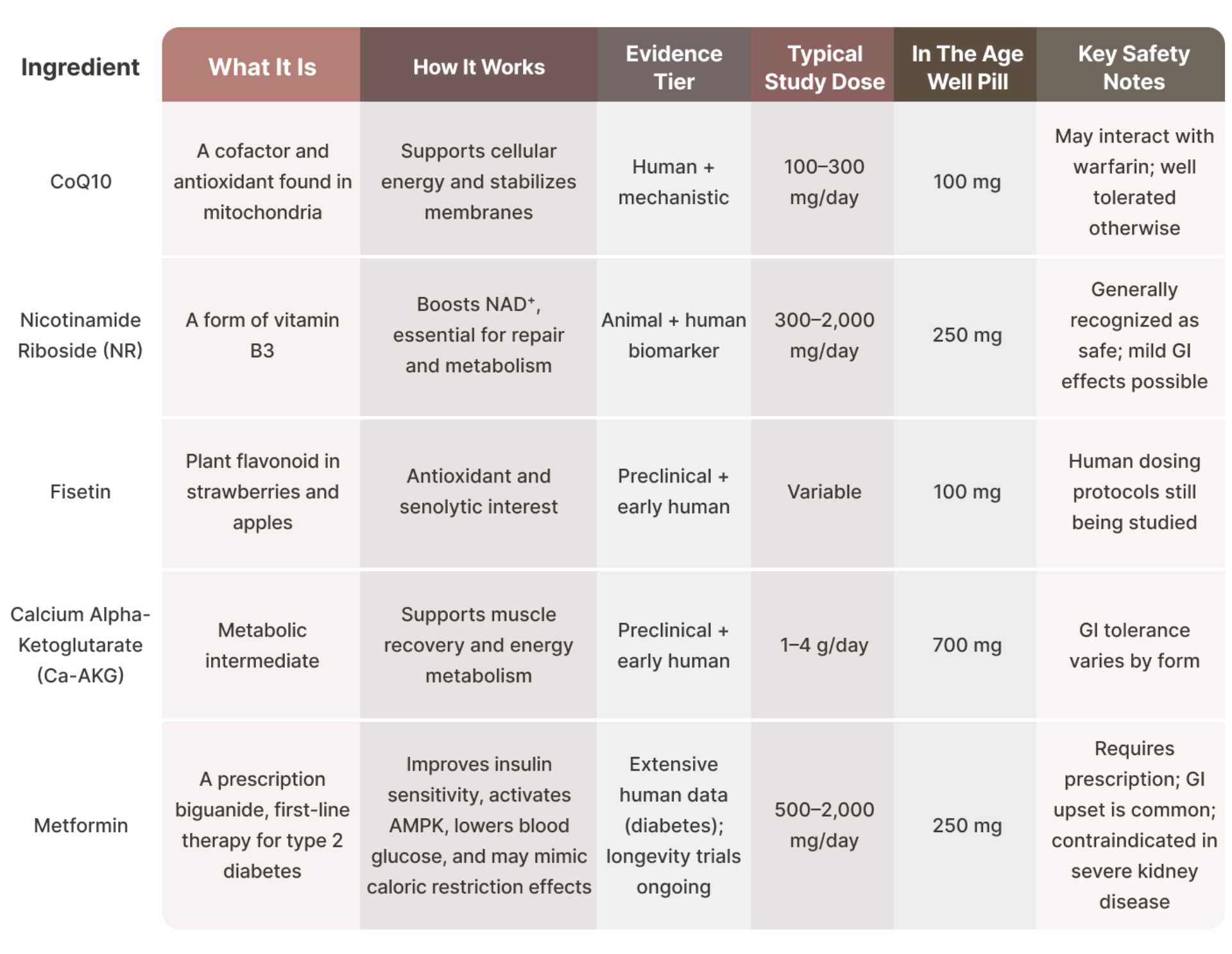
Musely’s Age Well Pill was designed to combine research-backed longevity nutrients into a single, convenient capsule. Instead of juggling multiple bottles and trying to calculate dosing on your own, the formulation brings together four key compounds that are commonly discussed in longevity science.
Why These Ingredients?
These five are not random choices. They represent different “hallmarks of aging”:
CoQ10 targets mitochondrial energy production.
NR boosts NAD⁺, a molecule central to metabolism and DNA repair.
Fisetin is being studied for its potential to clear out senescent (“zombie”) cells.
Ca-AKG supports cellular resilience and recovery.
Metformin slows aging by improving how the body uses energy.
Together, they offer a broad, complementary approach to supporting healthy aging.
Ingredient Deep Dives
The Age Well Pill isn’t built on hype alone, it draws on four compounds that scientists have studied for their potential roles in aging and cellular health. Each has a different job: one supports energy production, another boosts a key repair molecule, a third tackles oxidative stress, and the last helps maintain muscle and metabolic resilience. In the following sections, we’ll look at what each ingredient is, what the research actually shows, how people typically use it, and what safety notes matter most if you’re considering adding it to your routine.
Coenzyme Q10 (CoQ10)
What It Is:
CoQ10 is naturally produced in the body and found in almost every cell. Levels decline with age, which has led to interest in supplementation.
Quick Facts Callout:
Central to mitochondrial energy production.
Recycles vitamins C and E, helping antioxidant defenses. (Source: Review of CoQ10 in aging and disease)
Details:
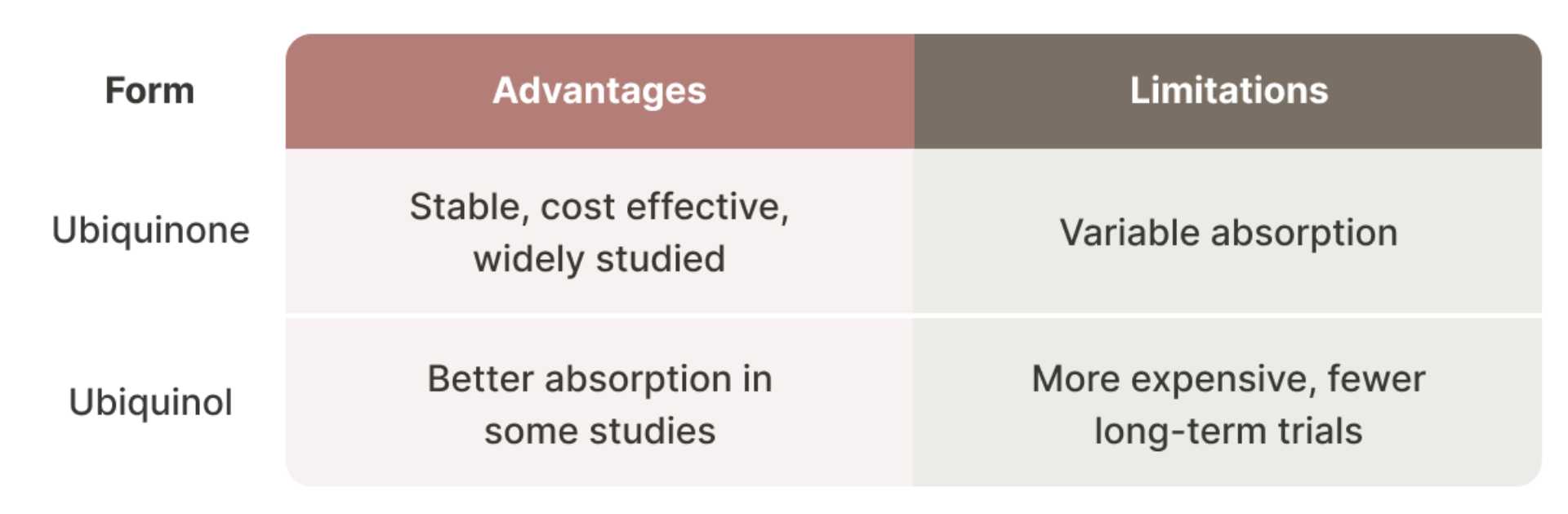
CoQ10 acts as an electron carrier in mitochondria and helps stabilize cell membranes. Human studies show benefits for cardiovascular health, with improvements in heart failure symptoms and some blood pressure outcomes. Forms differ in absorption: ubiquinone is widely studied, while ubiquinol may be more bioavailable but at higher cost. Generally safe up to 1,200 mg/day.
What the Evidence Says:
Human trials show CoQ10 can improve some markers of cardiovascular health, particularly in people with heart conditions.
It has been studied for fatigue, migraine prevention, and muscle recovery, with mixed results depending on dose and population.
Mechanistically, it improves electron transport in mitochondria and helps buffer oxidative stress.
Forms Compared:
Safety:
CoQ10 is generally safe up to 1,200 mg/day. Some people report mild digestive upset. It should be taken with food containing fat for better absorption. Patients on warfarin should be cautious, as CoQ10 can interfere with its effect.
Nicotinamide Riboside (NR)
What It Is:
NR is a form of vitamin B3 that acts as a direct precursor to NAD⁺, a molecule required for hundreds of metabolic processes. NAD⁺ levels decline with age, making this pathway a major focus in longevity research.
Quick Facts Callout:
NAD⁺ precursor supporting DNA repair and metabolism.
Increases NAD⁺ in blood and tissues in human studies. (Source: State-of-science review on NAD⁺ pathways and NR safety)
Details:
NR is a vitamin B3 derivative that bypasses bottlenecks in NAD⁺ synthesis. Evidence shows reliable increases in NAD⁺ levels, with some studies noting cardiovascular benefits. Results for insulin sensitivity are mixed. NR is better studied than NMN in humans and holds GRAS status. Typical dosing is 300–2,000 mg/day.
What the Evidence Says:
In humans, NR supplementation consistently raises NAD⁺ levels in blood and tissue.
Some studies suggest improvements in markers like blood pressure and arterial stiffness.
Clinical results on glucose metabolism and insulin sensitivity are mixed.
NR vs NMN:
NMN is another NAD⁺ booster that has gained attention, but it must be converted into NR before entering cells. NR is considered more direct and has stronger safety data at this time.
Safety:
Most people tolerate NR well. GI discomfort is the most common side effect. Typical trial doses range from 300 to 2,000 mg/day.
Fisetin
What It Is:
Fisetin is a flavonoid found in fruits and vegetables. It has antioxidant and anti-inflammatory properties and has been studied for its ability to target senescent cells, earning it the label “senolytic candidate.”
Quick Facts Callout:
Plant flavonoid studied for senolytic potential.
Preclinical data suggest benefits for oxidative stress and brain health. (Source: Review on fisetin’s antioxidant and senotherapeutic roles)
Details:
Fisetin is found in strawberries, apples, and onions. Animal studies suggest it reduces oxidative stress and inflammation while extending lifespan in some models. Human studies are still early. Compared with quercetin, fisetin shows stronger senolytic effects but has solubility challenges. Supplement protocols for senolytic use are under investigation.
What the Evidence Says:
Preclinical studies show fisetin reduces markers of oxidative stress and inflammation.
Animal studies suggest potential for brain health and lifespan extension.
Early human studies are ongoing, so conclusions about efficacy remain preliminary.
Fisetin vs Quercetin:
Both are flavonoids, but fisetin has shown stronger senolytic effects in lab studies. Quercetin is more bioavailable, but fisetin is drawing interest for longevity research.
Safety:
Generally safe at dietary levels. Supplement dosing protocols for senolytic effects are still under investigation.
Calcium Alpha-Ketoglutarate (Ca-AKG)
What It Is:
Ca-AKG is a metabolite in the Krebs cycle, the body’s central energy-producing pathway. It plays roles in muscle recovery, nitrogen balance, and mitochondrial health.
Quick Facts Callout:
Core metabolite in the Krebs cycle.
Studied for roles in muscle recovery and protein metabolism. (Source: 2024 narrative review on AKG and healthy aging)
Details:
Ca-AKG supports energy production and nitrogen balance. Research suggests potential benefits for endurance, recovery, and markers of biological aging, though more human data are needed. Distinct from AAKG, which is used in sports supplements, Ca-AKG is the form studied in aging. Safe at 1–4 g/day depending on form, with GI tolerance as the main consideration.
What the Evidence Says:
Preclinical studies show AKG supports protein synthesis and muscle maintenance.
Early human data suggest potential benefits for endurance and reduced markers of biological aging, though large trials are still lacking.
Interest has grown as animal studies suggest AKG may extend lifespan.
Ca-AKG vs AAKG:
AAKG (arginine alpha-ketoglutarate) is common in sports supplements. Ca-AKG, however, is the form used in longevity research due to better stability and relevance to aging.
Safety:
Doses vary by form. GI tolerance is the main concern. Current human studies suggest good safety at typical doses.
Metformin
What It Is:
Metformin is a prescription biguanide widely used as the first-line treatment for type 2 diabetes. Because of its effects on glucose metabolism, insulin sensitivity, and cellular energy pathways, it has become one of the most studied drugs in aging research.
Quick Facts Callout:
Improves insulin sensitivity and lowers blood glucose.
Activates AMPK, a nutrient-sensing pathway linked to longevity.
(Source: Landmark reviews on metformin and aging biology)
Details:
Metformin reduces hepatic glucose production and enhances insulin sensitivity in muscle and fat. Beyond diabetes, epidemiologic studies suggest metformin users may have lower rates of cardiovascular disease, cancer, and mortality compared to non-users, though confounding factors remain. In longevity research, metformin is being evaluated in the TAME (Targeting Aging with Metformin) trial, the first large-scale study testing whether a drug can delay multiple age-related diseases simultaneously. Typical doses for diabetes are 500–2,000 mg/day, with extended-release versions improving tolerance.
What the Evidence Says:
Large clinical experience (millions of patients worldwide) supports its safety and metabolic benefits.
Observational studies suggest reduced incidence of some cancers and cardiovascular events in people taking metformin.
Animal and cellular studies show activation of AMPK and reduced oxidative stress, mechanisms that overlap with calorie restriction.
Dedicated anti-aging trials (e.g., TAME) are ongoing; results are not yet available.
Metformin vs Other AMPK Activators:
Unlike supplements that indirectly influence AMPK, metformin has decades of clinical safety data and remains the most widely used pharmacologic activator of this pathway.
Safety:
Metformin is prescription-only. The most common side effect is gastrointestinal upset (diarrhea, nausea, abdominal cramping), usually improved with slow titration or extended-release forms. It is contraindicated in advanced kidney disease due to the rare risk of lactic acidosis. Long-term use can lower vitamin B12 levels, so monitoring is recommended.
Do Longevity Pills Work?
Longevity pills are not magic bullets, but the science behind them is steadily building. Several ingredients already have extensive human safety data and clear benefits in areas like energy, cardiovascular health, and metabolism. Others are newer to clinical study but show exciting promise in both lab and early human trials. Taken together, these compounds represent a supportive toolkit for healthy aging—safe, convenient, and grounded in evidence, even as research continues to unfold.
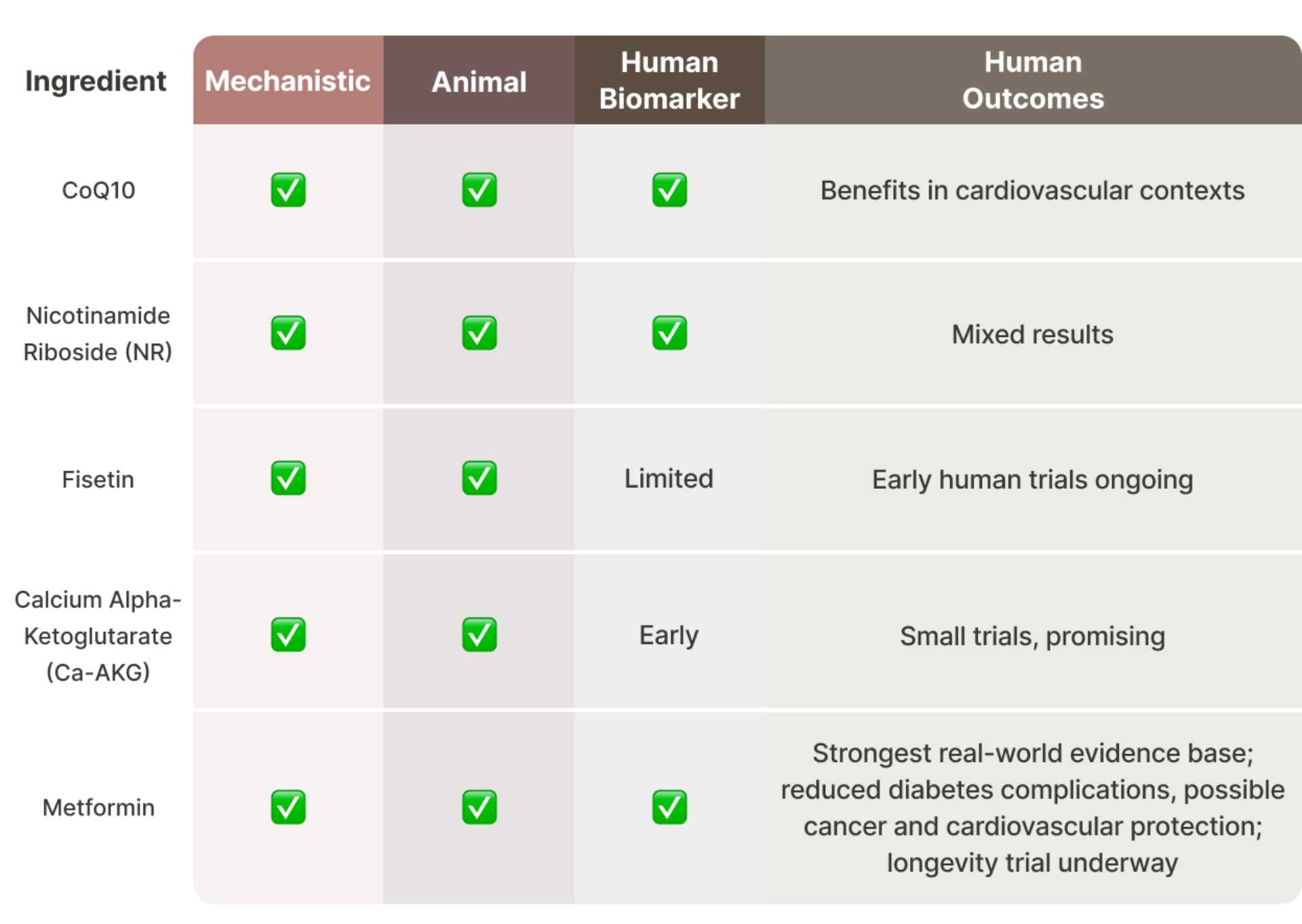
Evidence Interpretation:
CoQ10: Strongest human data, especially for heart and energy support.
NR: Raises NAD⁺ reliably, clinical outcomes less consistent.
Fisetin: Strong lab and animal data, human studies in progress.
Ca-AKG: Encouraging preclinical findings, early human data suggest potential but need confirmation.
Metformin: Decades of human use with strong safety record, robust evidence for metabolic health, and now being formally studied for longevity (e.g., TAME trial).
Safety, Interactions & Who Should Avoid Longevity Pills
Any time supplements or medications are discussed in the context of healthy aging, it’s important to pause and address safety. Longevity pills are not magic bullets, and while the ingredients in Musely’s Age Well Pill have been studied and are generally well tolerated, they are still active compounds that interact with the body in specific ways. Certain groups of people need to be especially careful. Some longevity ingredients can interact with prescription drugs, particularly blood thinners or diabetes medications. Others may pose challenges for people with chronic conditions like liver or kidney disease, where metabolic pathways are already under strain. Pregnant and breastfeeding women are another population where safety data are limited, and most experts recommend avoiding longevity pills altogether in these situations.
It’s also worth remembering that “more” is not necessarily “better.” Higher doses of compounds like NR or Ca-AKG don’t guarantee stronger benefits — in some cases, they may simply increase the chance of stomach upset or other side effects. Responsible use means following labeled dosing, paying attention to how your body responds, and checking with a qualified clinician if you have any existing health conditions or medications.
In short, longevity pills can play a supportive role, but they should be used thoughtfully and in context. The next section breaks down common scenarios — from medication use to life stages — where extra caution is warranted.
Considerations:
Drug Interactions: CoQ10 may interact with warfarin. Always check for supplement-drug conflicts.
Pregnancy/Breastfeeding: Data are limited. Most experts recommend avoiding these supplements during pregnancy unless specifically advised.
Chronic Conditions: Those with diabetes, liver disease, or kidney issues should seek medical guidance before starting.
Dosage Caution: More is not always better. Stick to label recommendations.
Can I take these with prescription meds?
Yes, with caution. Most people tolerate these ingredients well, but CoQ10 can interact with blood thinners like warfarin. Always confirm with your clinician.
Pregnant or breastfeeding?
No. There isn’t enough safety data for these ingredients during pregnancy or lactation. It’s best to avoid unless specifically cleared by your OB.
Chronic conditions?
Yes, with medical guidance. If you have diabetes, bleeding disorders, or kidney/liver disease, discuss with your doctor before starting longevity supplements.
Can I exceed the label dose for faster results?
No. Higher doses don’t necessarily mean greater benefits and may increase the chance of digestive upset or other side effects. Stick with recommended serving sizes.
Bottom Line: If you take medications or have chronic conditions, check with your doctor first.
How to Use the Age Well Pill
When to Take It:
Take with meals that contain some healthy fat (like avocado, nuts, or olive oil). Fat enhances the absorption of fat-soluble ingredients such as CoQ10. Splitting the dose with breakfast and dinner can also help reduce the chance of stomach upset.
How Long to Try It:
Supplements work gradually. Plan to assess results after 60–90 days. Track personal markers like energy, exercise recovery, or how refreshed you feel after sleep. These subtle shifts are more meaningful than expecting dramatic overnight changes.
Stacking with Other Supplements:
Avoid doubling up on NAD⁺ boosters if you’re already using NMN or NR separately. Similarly, steer clear of high-dose niacin in combination, as it also feeds into NAD⁺ pathways. Fisetin can be found in fruits and veggies, so supplementation is about going beyond diet-level intake, not replacing it.
Stacking Tips:
Avoid doubling NAD⁺ boosters if you already take NMN or NR products.
Keep high-dose niacin separate, as it also affects NAD⁺ metabolism.
Don’t treat supplements as a replacement for sleep, nutrition, and exercise.
Lifestyle Integration:
The Age Well Pill works best as part of a broader wellness routine. Adequate sleep, balanced nutrition, and regular movement remain the foundations of longevity. Think of supplements as amplifiers — they can support your biology, but they won’t overcome poor lifestyle habits. For optimal benefit, combine the Age Well Pill with consistent health practices.
See Musely’s Age Well Pill formula and dosing here →
FAQs
1. What is a longevity pill?
A supplement or medication designed to support healthy aging by targeting cellular energy, oxidative stress, and inflammation. Longevity pills are not prescription drugs and are intended to complement a healthy lifestyle.
2. Do individual longevity supplements work?
Evidence is mixed. CoQ10 has proven benefits in some human studies, while NR, fisetin, and Ca-AKG show early promise. Supplements can support wellness but should not be expected to prevent or cure disease.
3. What’s the difference between NR and NMN?
Both are NAD⁺ boosters. NR is a direct precursor and has more human safety data. NMN must convert into NR before use in the body.
4. Should I take ubiquinone or ubiquinol CoQ10?
Both raise CoQ10 levels. Ubiquinol may be absorbed better in some people but costs more. Ubiquinone is more affordable and well studied.
5. Is fisetin really senolytic?
Lab studies suggest fisetin can reduce senescent cells, but human dosing for this effect is not established. Current use should be considered experimental.
6. Why is Ca-AKG in longevity supplements?
Ca-AKG supports mitochondrial energy, protein metabolism, and muscle recovery. Early data suggest it may slow markers of biological aging, but large human studies are still needed.
7. Is metformin the “real” longevity pill?
Metformin is one of the most widely studied longevity candidates, with decades of safe use in diabetes and now under investigation in the large-scale TAME trial to see if it can delay multiple age-related diseases. Because the Age Well Pill is prescription-based, it includes metformin alongside other well-researched longevity nutrients. This makes it one of the few formulations that brings together both established prescription therapy and cutting-edge nutraceuticals in a single capsule—bridging the gap between supplements and evidence-backed medicine.
Closing Thoughts
Longevity pills represent a fast-growing area of wellness and medical research. While no pill is a fountain of youth, evidence-backed ingredients such as CoQ10, NR, fisetin, and Ca-AKG provide targeted support for energy, repair, and resilience. Adding metformin—one of the most studied longevity candidates with decades of safe use—elevates the Age Well Pill beyond a supplement and into a prescription-strength formula. By combining a proven prescription therapy with carefully selected nutrients, Musely’s Age Well Pill delivers a doctor-reviewed, convenient approach designed for those serious about healthy aging.
Disclaimer: This article is for educational purposes only and is not a substitute for professional medical advice. Always consult your physician before beginning new prescriptions or supplements.
Products In This Tip
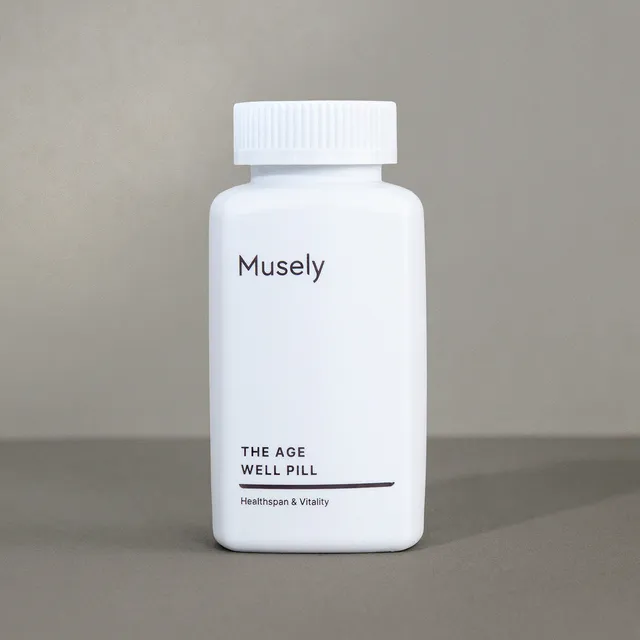
The Age Well Pill
A prescription pill with science-backed ingredients to boost energy, cell renewal, and longevity.
More tips like this
Healthy Living
Metformin as a Prescription Longevity Pill for Healthy Aging
Healthy Living
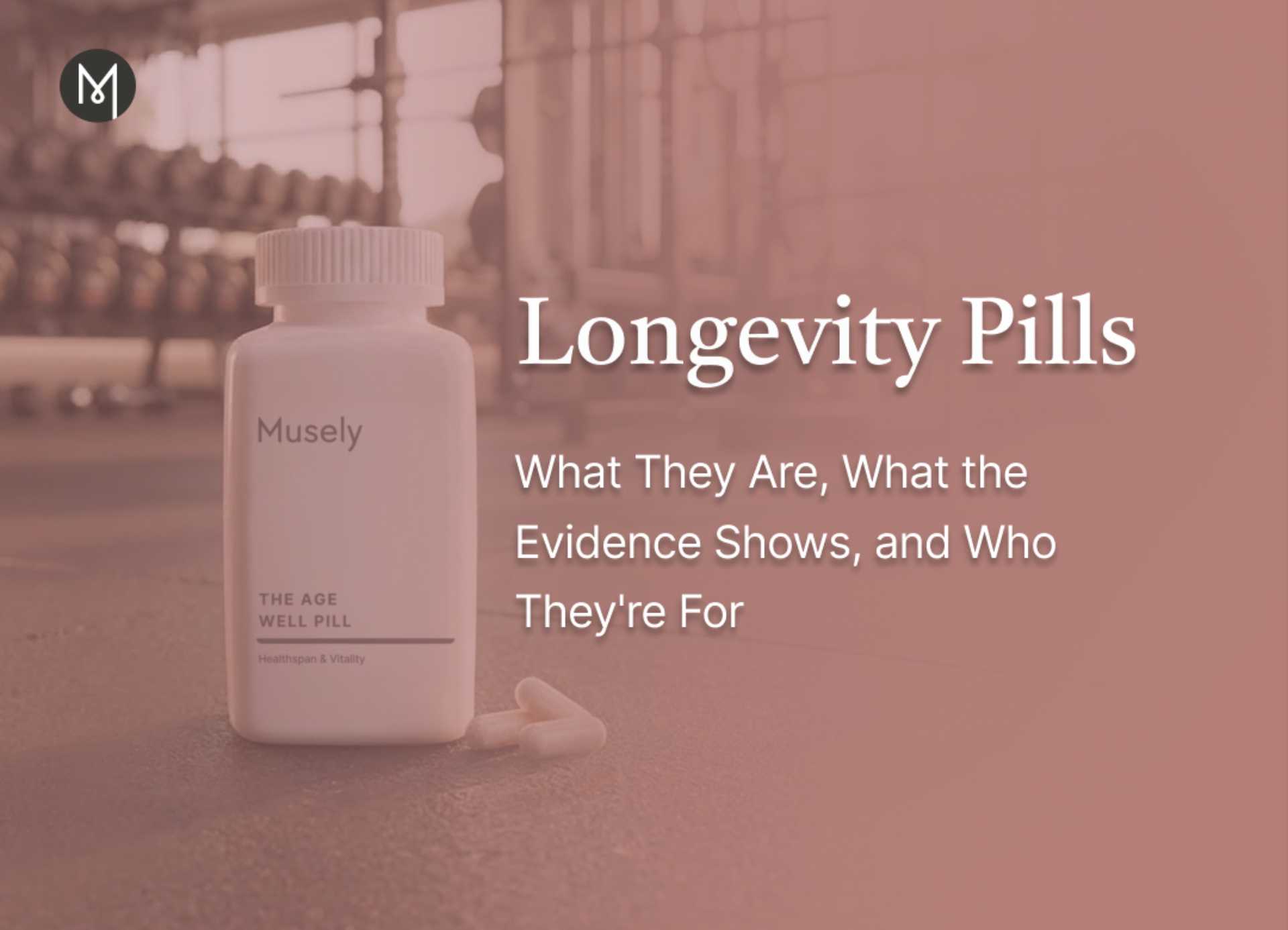
Longevity Pills: What They Are, What the Evidence Shows, and Who They're For
Healthy Living
Metformin for Longevity: Benefits, Safety, and How It Works

Healthy Living
The Age Well Pill vs. The Skin Pill: Which Treatment Is Right for Your Goals?

Exosomes
Why Everyone’s Talking About Exosomes in Skincare Right Now

Healthy Living
Everything You Need to Know About The Age Well Pill

Healthy Living