Exosomes in Skincare: How They Work & Why They Matter
Skincare is constantly evolving, with regenerative medicine shaping the next generation of treatments. While many products work on the skin's surface, newer breakthroughs are going deeper—literally. Among the most promising skincare innovations are exosomes: microscopic messengers that are revolutionizing how we approach skin repair and rejuvenation.
As a leader in science-backed skincare, Musely has harnessed this technology in products like The Cell Repair Serum. We don't chase trends—we solve real problems with solutions grounded in science. Let's break down what exosomes are, how they work, and what you need to know before adding them to your routine.
What Are Exosomes?
Exosomes are tiny nanoparticles, ranging from 30 to 150 nanometers in diameter, released by nearly all cells in your body. Think of them as microscopic envelopes carrying important messages—like proteins, lipids, and nucleic acids—from one cell to another. This communication is vital for processes like healing, inflammation control, and cellular maintenance.
When applied to the skin, exosomes act as potent signaling vehicles. They penetrate the skin's surface to deliver instructions directly to target cells, encouraging them to repair damage, produce more collagen, and function more youthfully. It's a way of upgrading your skin's own communication system to promote better health from within.
How Exosomes Benefit the Skin
Because they work at a cellular level, exosomes offer a range of benefits that address the root causes of skin aging and damage.
Enhanced Collagen & Elastin Production: Exosomes can signal fibroblast cells to ramp up the production of collagen and elastin, the proteins that give skin its firmness and elasticity. Studies show that exosomes can significantly increase Type 1 collagen synthesis, leading to firmer skin and a reduction in fine lines over time.
Reduced Inflammation and Redness: Many types of exosomes carry anti-inflammatory signals that can help calm irritated, sensitive, or post-procedure skin. This makes them beneficial for managing redness and supporting the skin's healing process.
Improved Skin Barrier and Hydration: By promoting healthier cellular function, exosomes help strengthen the skin's natural barrier. A stronger barrier is better at retaining moisture and defending against environmental aggressors.
Accelerated Skin Repair: Exosomes support the skin's natural repair mechanisms, helping to mend damage caused by UV rays, pollution, and aging. This can lead to improved skin texture and a more even tone.
Types of Exosomes & The Importance of Source
As exosome technology grows, it's crucial to understand that not all exosome products are created equal. The source of the exosomes plays a significant role in their quality, safety, and effectiveness.
Plant-Derived
Extracted from plants like Centella Asiatica or ginseng.
These are technically "exosome-like nanovesicles." They offer anti-inflammatory and antioxidant benefits but may not communicate with human cells to the same extent as human-derived exosomes.
Human-Derived (MSC)
Sourced from mesenchymal stem cells (MSCs), often from bone marrow or adipose tissue.
This has been a common source in research, but consistency and ethical sourcing can be concerns.
Human-Derived (iPSC)
Sourced from induced pluripotent stem cells (iPSCs).
This is a cutting-edge method that involves reprogramming adult cells (like skin cells) back to an embryonic-like state, then directing them to become a specific cell type for exosome production. This allows for a highly controlled, ethical, and consistent source of potent exosomes.
At Musely, we use iPSC-derived exosomes in The Cell Repair Serum. This choice reflects our commitment to providing the most advanced, science-backed solutions. The serum is formulated by U.S. dermatologists and compounded fresh for you, ensuring maximum potency and quality.
A Note on Regulation and Safety
It's important to be aware that the FDA has not approved any exosome products for the diagnosis, treatment, or prevention of any disease. The agency has issued safety warnings about unapproved exosome products being administered via injection or intravenously.
For topical cosmetic use, the landscape is different, but this underscores the importance of choosing products from a reputable provider. Musely’s prescription-based model ensures that your treatment is overseen by a dermatologist, providing a crucial layer of expert guidance.
How to Use Exosomes in Your Skincare Routine
Incorporating an exosome serum is straightforward. For optimal results, follow these steps:
Cleanse: Start with a clean face.
Apply Serum: Apply the exosome serum to slightly damp skin to enhance absorption. Use gentle pressing motions.
Layer Wisely: An exosome serum should be one of the first products you apply after cleansing. Follow with other treatments, a moisturizer, and—most importantly—sunscreen during the day.
Check Compatibility: Exosomes generally pair well with hydrating ingredients like hyaluronic acid and ceramides. If you use potent actives like retinoids or exfoliating acids, you may want to alternate their use with your exosome serum or consult your dermatologist for a personalized plan.
Frequently Asked Questions
Are exosomes safe for my skin?
When sourced responsibly and formulated for topical use by a reputable brand, exosomes are generally well-tolerated. Choosing a prescription product like Musely’s, which includes dermatologist oversight, ensures you are using a high-quality formulation appropriate for your skin.
How are exosomes different from retinol or vitamin C?
Think of them as working on different teams for the same goal.
Retinol focuses on accelerating cell turnover.
Vitamin C is a powerful antioxidant that protects from free radicals and brightens skin.
Exosomes work on cellular communication to orchestrate repair and regeneration. They can be used in the same comprehensive routine to address skin health from multiple angles.
When will I see results?
While some users notice improvements in hydration and calmness within a few weeks, the most significant benefits—like improved firmness and reduced fine lines—are the result of cellular changes that take time. With consistent use, visible results typically appear after 2-3 months.
Can exosomes be used for more than just facial skin?
Yes, the regenerative potential of exosomes is being explored for other concerns. For example, emerging research and treatments show promise for using exosomes for hair growth by stimulating and repairing hair follicles on the scalp.
The Future of Skincare is Cellular
Exosomes represent a significant leap forward in skincare, moving beyond surface-level fixes to support true cellular health. By facilitating communication between skin cells, they help restore youthful function and repair damage from the inside out.
The key is choosing a high-quality product backed by science and expert oversight. With over 1 million patients treated and counting, Musely provides prescription skincare, without the waiting room, giving you access to innovative treatments like iPSC-derived exosomes through a streamlined, physician-guided process.
Ready to see what cellular repair can do for your skin? Learn more about The Cell Repair Serum and start your online doctor's visit today.
Products In This Tip
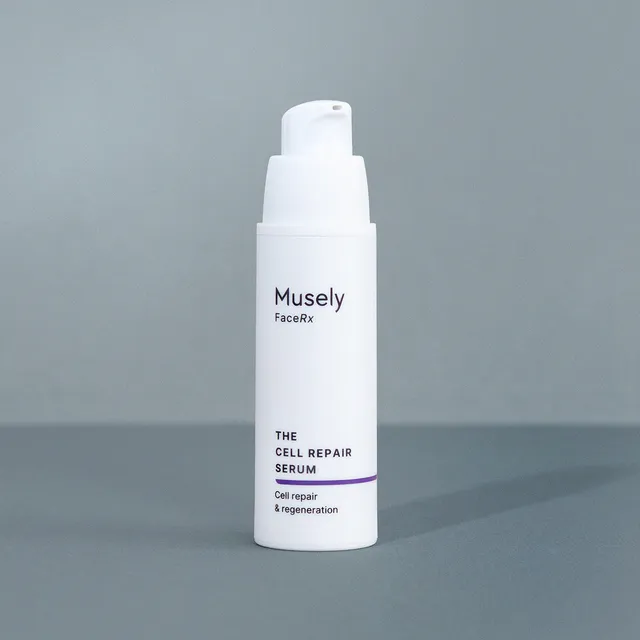
The Cell Repair Serum
Stimulates the body's natural regenerative properties and increases cell turnover with exosome infused serum
More tips like this

Anti-Aging
Melanie Face-Rx Testimonial
Anti-Aging
How Estriol Cream Restores Elasticity During Menopause

Anti-Aging
Stop The Clock On Your Skin Before It's Too Late

Anti-Aging
Tretinoin Basics: Step‑by‑Step Guide for Clearer Skin

Anti-Aging
Eradicate Years Of Wrinkles In 60 Days, Guaranteed!

Anti-Aging
5 Signs Your Skin Is Aging Faster Than You Are (And What You Can Do About It)

Anti-Aging
Exosome 101

Anti-Aging