Dermatologist Q&A: Which Hydroquinone Percentage is Right for You?
Ever wondered about the right hydroquinone percentage for your dark spots or melasma? Board-Certified Dermatologist and Medical Director for Musely, Dr. Ravi Ubriani, breaks down the essentials to guide you through this powerful skin-lightening agent, and the best prescription treatments.
Understanding Hydroquinone
Hydroquinone is a topical medication renowned for its skin-lightening prowess. By inhibiting melanin production, it effectively diminishes dark spots and hyperpigmentation. Dr. Ubriani emphasizes its benefits, including lightening skin tone, treating melasma, and fading age spots and sunspots. However, caution is key—it should be used under dermatological guidance, with breaks to sidestep potential side effects.
Hydroquinone cream / dosage form
Your prescription may come as a hydroquinone cream or gel. Follow the dosage form directions on your prescription label and the plan your dermatologist provides.
Hydroquinone reduces visible dark spots by slowing melanin synthesis in targeted areas—helpful for melasma, sunspots, and post-inflammatory hyperpigmentation (PIH). Because PIH and other hyperpigmentation syndromes vary by skin color, your care team will personalize strength and schedule for you.
Sun Protection Is Non-Negotiable
Limit sun exposure and avoid tanning beds. Daily SPF 30+ and protective clothing help prevent UV radiation–driven sun damage and rebound darkening. Tretinoin-containing formulas are night-only—use SPF every morning.
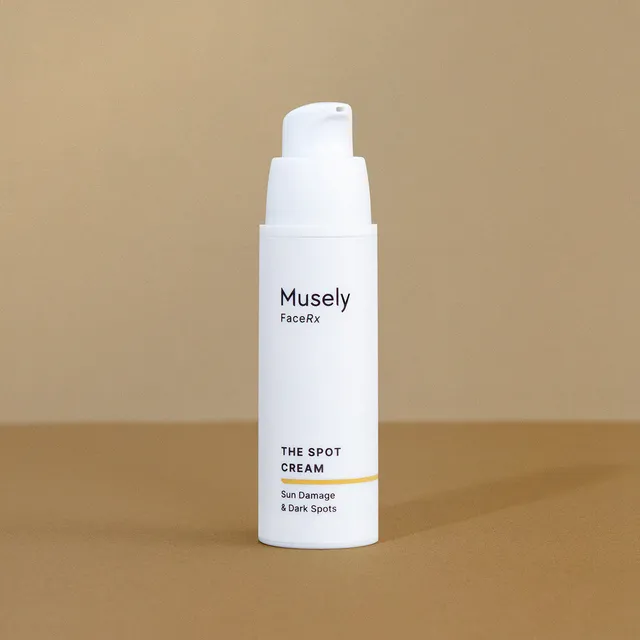
Musely's Formulas of The Spot Cream
Erase
Hydroquinone 12%, Niacinamide 2%, Hydrocortisone 1% (for Initial 2-month only)
Nurture
Hydroquinone 6%, Vitamin C 1%, Niacinamide 2%
HQ Free+
Tranexamic Acid 6%, Azelaic Acid 10%, Niacinamide 2%
M+
Hydroquinone 12%, Tretinoin 0.05%, Niacinamide 2%, Hydrocortisone 2.5% (for Initial 2-month only)
Hydroquinone 12%, Niacinamide 2%, Hydrocortisone 1% (for Initial 2-month only)
Hydroquinone 6%, Vitamin C 1%, Niacinamide 2%
Tranexamic Acid 6%, Azelaic Acid 10%, Niacinamide 2%
Hydroquinone 12%, Tretinoin 0.05%, Niacinamide 2%, Hydrocortisone 2.5% (for Initial 2-month only)
Compounded Formulas
Compounding hydroquinone with other ingredients offers benefits such as enhanced efficacy, targeted treatment, and minimized side effects. By combining hydroquinone with complementary active ingredients, compounded formulations can address multiple aspects of a skin condition simultaneously. Customized compounds can be tailored to individual needs, allowing dermatologists to optimize treatment outcomes while minimizing adverse effects.
Always follow the directions on your prescription label—including frequency, application area, and built-in On/Off cycles—to maintain results and minimize side effects.
Is It Safe?
Yes, Hydroquinone is completely safe to use! There are zero reported cases of hydroquinone causing cancer in humans, with millions of people using it for nearly 100 years. Hydroquinone is a plant extract, and you intake 300 times more hydroquinone daily from coffee or tea than with topical use. HQ is even safer with topical use under supervision of our board-certified dermatologists. Since Sep 2020, any percentage of HQ requires a prescription in the United States, and is not available over-the-counter. This ensures the medication is prescribed and sourced safely, with FDA regulations.
However, it is essential that hydroquinone is used as directed and under dermatological guidance, because prolonged high-concentration use may lead to potential side effects. Dr. Ubriani emphasizes the importance of adherence to recommended usage instructions and regular check-ins with your dermatologist.
Safety & Allergic reactions / skin rash / medical attention
Side Effects: What to Expect and When to Seek Help
Stop use and contact your care team right away if you notice signs of an allergic reaction (spreading skin rash, hives, severe skin irritation, swelling, or trouble breathing). If symptoms are severe, seek medical attention immediately.
Skin irritation / mild skin irritation / skin side effects / eye irritation
Temporary mild skin irritation—dryness, tingling, or redness—can occur, especially with higher strengths. Avoid the eye area. If eye irritation occurs, rinse with water for 15 minutes and contact your care team.
Using benzoyl peroxide? Alternate nights or apply to different areas at first. Combining strong active ingredients can increase dryness and irritation. Ask your care team for a layered routine.
Cost, Insurance & How Prescriptions Work
Can I purchase with insurance?
• If covered: Submit your prescription to your insurance provider; your final price depends on your plan and pharmacy. There may be an additional cost if a compounded formula isn’t fully covered.
• If not covered: We’ll show transparent pricing before you check out. Use HSA/FSA when eligible.
When to Avoid Hydroquinone?
Hydroquinone should not be used during pregnancy, nursing, or for individuals with sensitivity or ochronosis. In cases where hydroquinone triggers acne flares, opting for the hydroquinone-free formulation is recommended. Hydroquinone is also not recommended for use while pregnant or nursing. The HQ-Free formula can be used during these times!
Taking Breaks for Long-Term Safety
To ensure long-term safety, dermatologists advocate using hydroquinone products in cycles. Dr. Ubriani advises a break of 1-2 months for every 3-4 months of hydroquinone use to prevent potential issues. The On/Off treatment plans from Musely automatically integrate this cycle, promoting skin health and avoiding paradoxical darkening.
Dr. Ravi Ubriani's insights provide a roadmap for harnessing the benefits of hydroquinone through Musely's dark spot treatments while ensuring your skin's health and vitality. Remember, informed choices lead to radiant skin!
This article is educational and not a substitute for medical advice. Always follow your health care professional’s directions.
Questions about your strength, side effects, or routine? Message your Musely care team in the app for personalized guidance.
Hydroquinone Cream FAQs
Can hydroquinone cause allergic reactions?
“True allergies are uncommon but possible. Stop use if you develop a spreading skin rash, swelling, or breathing issues and seek medical attention.”
What strength should I pick for PIH vs melasma?
“Your dermatologist may favor 6% for sensitive or PIH-prone areas and 12% for stubborn patches—with On/Off cycles for long-term safety.”
Is 12% hydroquinone safe?
“Yes when prescribed and monitored. Higher strengths can increase skin irritation, so follow your plan and take scheduled breaks.”
Can I use benzoyl peroxide with hydroquinone?
“Sometimes, but build tolerance slowly or alternate days to reduce dryness.”
Do I need to avoid the sun?
“Yes—daily SPF 30+, no tanning beds, and protective clothing minimize UV radiation exposure and rebound darkening.”
What if the cream gets in my eyes?
“Rinse with water for 15 minutes. If eye irritation persists, contact your care team.”
Are there hydroquinone-free options?
“Yes—kojic acid, azelaic acid, and tranexamic acid options exist for pregnancy, nursing, or sensitivity.”
Will insurance cover this?
“Coverage varies by insurance provider and dosage form. See the section above and confirm your benefits. There may be an additional cost for compounded meds.”
Products In This Tip
More tips like this

Customized Skincare
Dermatologist Explains: The Benefits of Oral Medications Vs. Topical
Customized Skincare
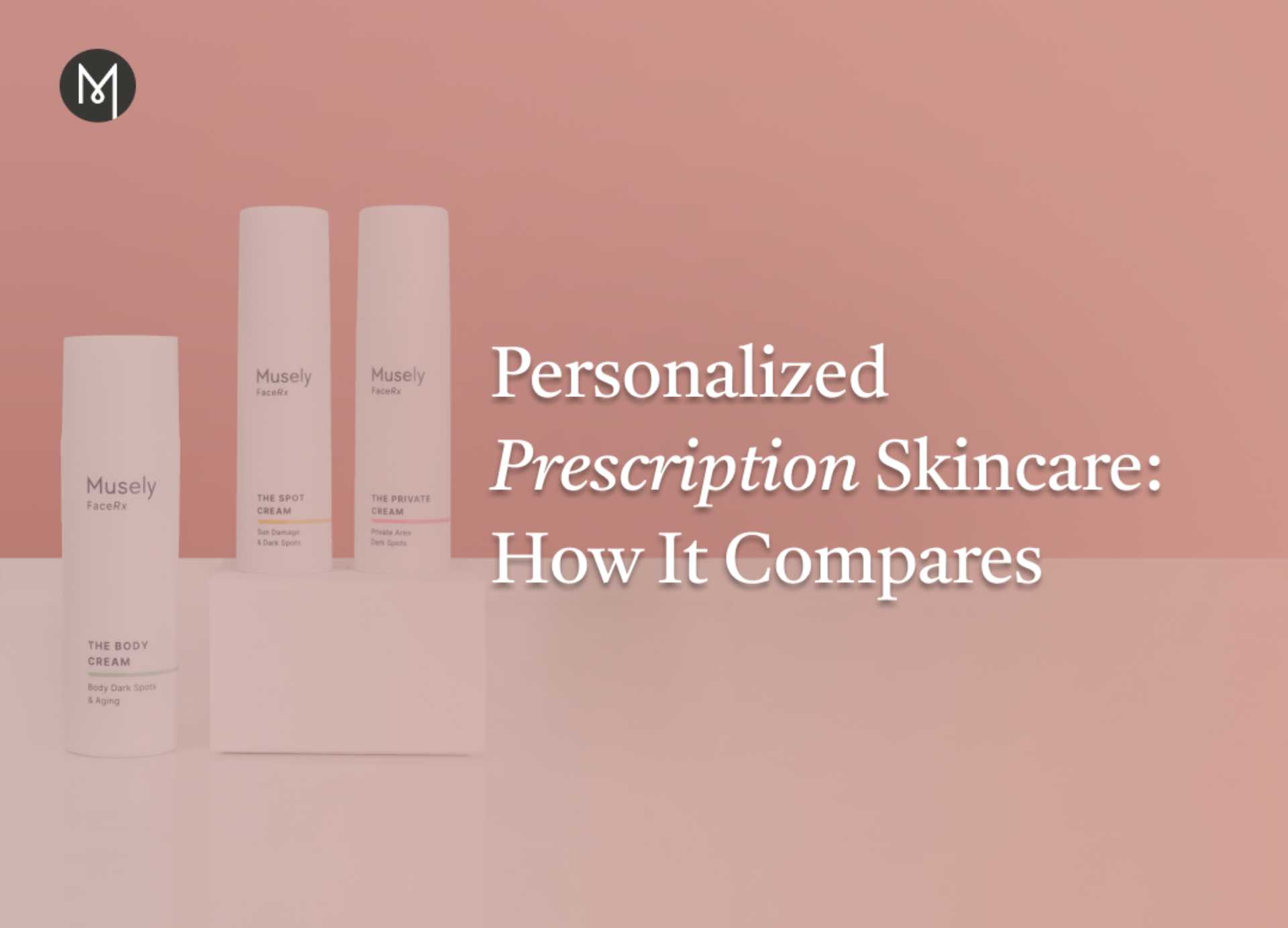
Personalized Prescription Skincare: How It Compares

Customized Skincare
Q&A: Our Chief Medical Officer's Favorite Treatments!
Customized Skincare
Tretinoin vs OTC Retinol: Real Dermatologist Guide

Customized Skincare
What Makes FaceRx Different From Tretinoin Alone?

Customized Skincare
3 Award-Winning Musely Treatments To Try

Customized Skincare
From Pharm To Table!
Customized Skincare